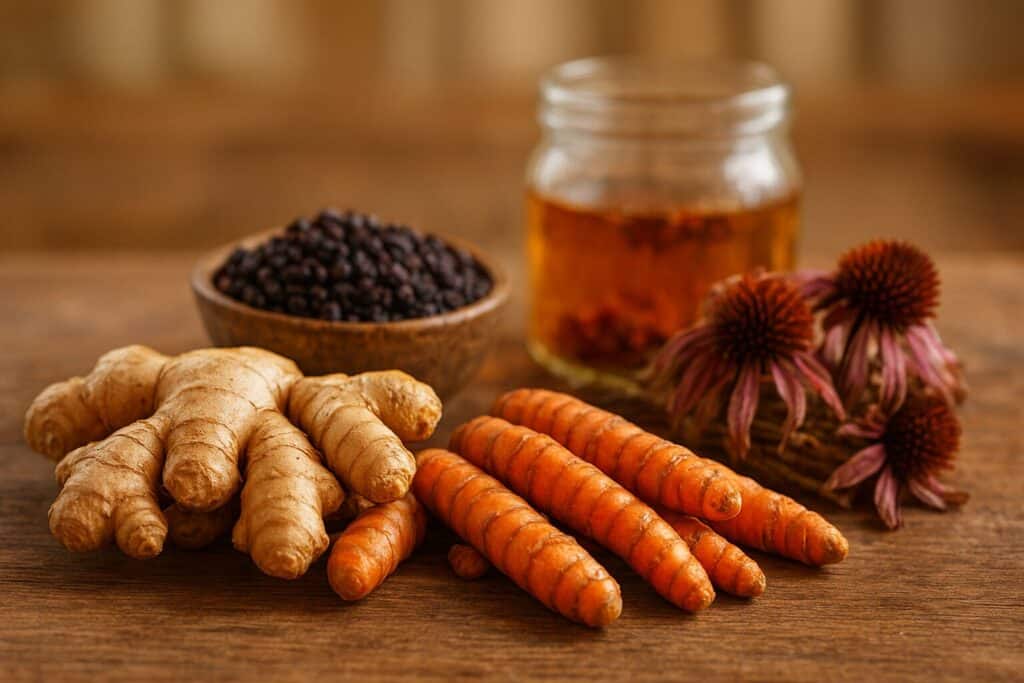
Embracing Botanical Support for the Winter Season
When the temperature drops and daylight hours shorten, the body naturally shifts its physiological needs. Winter requires herbs that provide internal warmth, support the respiratory system, and nourish the gut to maintain resilience against seasonal stressors. In traditional herbalism, we look to the forest and the garden for plants that help us adapt to these environmental changes. Connecting with nature's cycles through herbal teas and tonics can be a grounding wellness practice that aligns our internal rhythms with the quiet stillness of the season. During this time, the metabolic rate may change, and the immune system often faces a higher burden from indoor confinement and reduced sunlight. Selecting the right botanical allies involves understanding which plants offer immediate relief and which provide the slow, steady nourishment required for the long haul until spring.

Roots and Berries for Immune Resilience
Building a strong foundation for the winter months often starts with nutrient-dense berries and hardy roots that store the plant's energy through the frost. These parts of the plant are chemically dense, often requiring specific preparation methods to release their beneficial compounds.
1. Elderberry
Elderberry is a staple in the winter apothecary, known for its deep purple berries that are frequently simmered into thick, dark syrups. These berries are packed with antioxidants that support the immune system during the height of cold season. When working with elderberry, always ensure the berries are cooked thoroughly, as raw berries contain cyanogenic glycosides that can cause digestive upset. To prepare a standard syrup, combine one cup of dried berries with three cups of water, adding warming spices like cinnamon and cloves. Simmer the mixture until the liquid has reduced by half, then strain and stir in raw honey. This preparation can be stored in the refrigerator for several weeks and taken by the spoonful to maintain wellness throughout the frost.
2. Echinacea
Echinacea is a reliable root for early seasonal support, often used at the first sign of a scratchy throat. If you are growing this in your home wellness garden, the most potent medicine is found in the roots of plants that are at least three years old. Dig the roots in late fall after the first frost has pushed the plant's energy underground, then scrub them clean and dry them for use in decoctions or tinctures. You will know the root is high quality if, when nibbled, it produces a characteristic tingling or numbing sensation on the tongue. This effect is caused by alkylamides, which are active constituents sought after for immune support. For a simple winter tea, simmer the dried root for several minutes to ensure the dense fibers release their properties.
3. Astragalus
Astragalus is a foundational root in traditional wellness used to foster long-term vitality and deep immune reserves. Unlike herbs used for acute needs, astragalus is often sliced into tongue-depressor-like strips and added to long-simmering pots of traditional chicken herbal soup. It has a mild, slightly sweet flavor that pairs well with savory broths, making it an easy addition to daily winter meals. When using the dried root strips, remember that they are fibrous and do not soften completely; they should be removed from the pot before serving, much like a bay leaf. The goal is to allow the root to steep in the boiling liquid for at least an hour to fully extract the polysaccharides that support the body's defensive energy.
4. Ginger
Ginger is a pungent, warming rhizome that excels at improving circulation, which is particularly helpful for those who struggle with cold hands and feet in January. Beyond its warming qualities, it aids digestion during the heavier meals typical of the holiday season. For the best effect, use fresh ginger root and grate it directly into hot water; the spicy heat should be strong enough to tingle the back of your throat, indicating the active gingerols are present. If you find the flavor too intense, adding a slice of lemon or a teaspoon of honey can balance the heat without diminishing the circulatory benefits. In the kitchen, ginger can also be added to stir-fries or roasted root vegetables to provide internal warmth from the inside out.
Aromatic Herbs for Respiratory and Gut Health
Aromatic herbs contain volatile oils that serve a dual purpose: clearing the respiratory passages and calming the digestive tract. These plants are often easier to grow indoors, making them accessible even when the garden is under snow.

5. Thyme
Thyme is much more than a culinary seasoning; it is high in volatile oils like thymol that support clear breathing and chest comfort. During the winter, a gentle facial steam with thyme can be incredibly soothing. Place a handful of fresh sprigs or two tablespoons of dried thyme in a bowl of steaming water, drape a towel over your head, and breathe in the herbal vapors for several minutes to help open up the airways. You can also create a thyme-infused honey by packing a small jar with fresh sprigs and covering them with honey for two weeks. This infused honey can be added to warm water or taken directly to soothe the throat and provide the antimicrobial benefits of the herb's essential oils.
6. Peppermint
Peppermint provides a cooling contrast to the dry heat of indoor radiators and wood stoves. It is excellent for soothing the digestive tract after a large meal, helping to reduce bloating and discomfort. When brewing peppermint tea, keep the mug covered while it steeps to prevent the aromatic menthol oils from escaping with the steam. A steep time of about seven to ten minutes is usually sufficient to produce a robust, flavorful cup. For those dealing with winter headaches often caused by stuffy indoor air, inhaling the scent of crushed peppermint leaves or applying a diluted peppermint oil to the temples can provide a refreshing sense of clarity.
7. Garlic
Garlic is a potent kitchen staple containing sulfur compounds that support both cardiovascular and immune health. To maximize its wellness benefits, crush or mince the cloves and let them sit for ten minutes before cooking; this allows the enzyme alliinase to create allicin, the herb's primary active component. Adding raw minced garlic to a spoonful of honey or spreading it on toasted sourdough is a traditional way to utilize its full strength during the winter. If you are concerned about the strong aroma, consuming parsley or a slice of apple afterward can help neutralize the scent. Garlic is also a wonderful addition to fire cider, a traditional winter tonic made by infusing garlic, onions, horseradish, and ginger in apple cider vinegar.
8. Rosemary
Rosemary is a hardy evergreen that supports cognitive clarity and circulation. Its needle-like leaves are rich in antioxidants that remain stable even when roasted. For a winter wellness boost, try using a strong rosemary infusion as a hair rinse to stimulate the scalp, which often becomes dry and itchy in cold weather. Simply steep a large handful of rosemary in a quart of boiling water, let it cool completely, and pour it over your hair after shampooing. Alternatively, keeping a small rosemary plant near your workspace allows you to rub the leaves and inhale the piney scent, which can help clear mental fog on dark, overcast afternoons when focus is difficult to maintain.
Soothing Botanicals for Hormones and Rest
Winter is a time for restoration, and these botanicals help the body manage stress and maintain emotional balance during the shorter days. These herbs act as adaptogens or nervines, helping the nervous system recalibrate.
9. Ashwagandha
Ashwagandha is a renowned adaptogen that helps the body manage the physical and mental stress of shorter, darker days. It is particularly valued for supporting restful sleep and steady energy levels without being a sedative. The root is most effective when taken consistently over time; many people find it helpful to mix the powdered root into a warm evening drink, often called "moon milk," with milk, a pinch of cinnamon, and nutmeg to promote a sense of calm before bed. Because ashwagandha has an earthy, slightly bitter taste, it pairs best with creamy bases and natural sweeteners. Consistent use over several weeks is typically necessary to feel the full balancing effects on the body's stress response systems.
10. Holy Basil (Tulsi)
Holy Basil, also known as Tulsi, is an aromatic herb that supports hormonal balance and emotional well-being. It is often referred to as "liquid yoga" because of its ability to help the mind stay centered during stressful times. Historically, many cultures have revered healing spirits associated with plants, such as Aja, the Yoruba forest spirit who is the patron of herbal healers. Drinking Tulsi tea daily can be a meditative ritual that helps regulate the body's stress response throughout the coldest months. To prepare, steep a tablespoon of dried Tulsi leaves in hot water for five to ten minutes. The tea has a unique flavor profile—a blend of clove, peppermint, and lemon—that provides a comforting, uplifting experience during the quiet winter evenings.
Frequently Asked Questions
Can I grow these herbs indoors during the winter?
Yes, many aromatic herbs like Thyme, Rosemary, and Peppermint can thrive on a sunny, south-facing windowsill. They require at least six hours of light and well-draining soil. However, root herbs like Astragalus and Echinacea are better suited for outdoor gardens as they need a period of winter dormancy to grow strong. If your indoor space lacks light, a small LED grow light can help your kitchen herbs stay productive throughout the darker months.
What is the difference between an infusion and a decoction for winter roots?
An infusion is like a standard tea, where boiling water is poured over soft leaves or flowers and steeped. A decoction is a method used for tough materials like roots and bark. To make a decoction, you place the plant material in cold water, bring it to a simmer, and let it gently bubble for a period of time. This process helps break down the tough cell walls of roots like Ginger or Astragalus to release their active compounds into the liquid.
How do I store dried herbs to ensure they stay potent?
Store your dried winter herbs in airtight glass jars away from direct sunlight and heat sources like the stove or radiators. Properly dried herbs should retain their original color and a strong, characteristic scent. If a herb looks grey, faded, or has lost its aroma entirely, it has likely lost its potency and should be composted. For long-term storage, keeping jars in a cool, dark pantry is the best way to preserve the volatile oils.
Are there any herbs I should avoid if I am on medication?
Some herbs can interact with prescriptions. For example, garlic and ginger have mild blood-thinning properties, and adaptogens like Ashwagandha can affect hormone levels or interact with thyroid medications. It is essential to consult with a healthcare provider or pharmacist before adding new herbal supplements to your routine, especially if you are taking medication for chronic conditions, are pregnant, or are preparing for surgery.


Leave a Reply