
Warming the Body with Ginger Root
Ginger root has been a cornerstone of winter wellness for centuries, prized for its natural warming qualities and pungent, spicy aroma. In traditional herbalism, this rhizome is used to maintain internal heat and support efficient digestion during the coldest months of the year. Whether you utilize the fresh, juicy root from the grocery store or dried slices, ginger provides a versatile base for various therapeutic preparations. Integrating ginger into your daily routine can help keep the body feeling grounded and invigorated when the temperature drops outside. For those looking to support their body from the outside in as well, Ginger Snow-Time Skin Tips for Natural Winter Care offer excellent ways to utilize this root topically.
When selecting ginger for winter recipes, look for hands that are firm to the touch with smooth, taut skin. If the root feels soft, shriveled, or displays mold near the joints, it has lost much of its essential oil content and moisture. A fresh piece of ginger should snap cleanly, releasing a sharp, peppery scent immediately. During the winter, ginger is often paired with other warming spices like cinnamon, cloves, and star anise to create a synergistic heat that helps the body adapt to freezing temperatures.

Traditional Ginger Infusions and Teas
Steeping ginger in hot water is perhaps the most direct way to enjoy its botanical benefits. These preparations vary from light infusions to concentrated decoctions, depending on how long the root is simmered. You can even combine these warming drinks with Healing Chinese Teas for Natural Winter Wellness to create a more complex flavor profile.

1. Classic Sliced Ginger Tea
This simple decoction is made by boiling fresh, thin ginger slices in water . For a standard preparation, use about one inch of ginger root per two cups of water. Simmering the root allows the heat to break down the fibrous structure, releasing the gingerols and essential oils into the liquid. You will know the tea is ready when the water takes on a pale golden hue and the spicy aroma becomes prominent. It is often served with lemon or orange slices to balance the heat with citrus acidity . If you find the spice too intense, adding a small amount of honey can mellow the bite while providing additional throat-soothing properties.
2. Korean Saenggang-cha
In Korea, this traditional beverage, known as saenggang-cha, is often prepared by mixing fresh ginger juice directly into hot water . This method provides a sharper, more immediate ginger flavor compared to boiling the whole root because the juice contains a high concentration of the plant's volatile compounds. To extract the juice, grate the ginger finely and squeeze the pulp through a clean cloth. If the taste is too intense, many people find that adding a splash of milk creates a soothing, creamy texture that coats the throat . This variation is particularly popular in the evening as a comforting, caffeine-free ritual.
Potent Ginger Syrups and Tonics
Beyond simple teas, ginger can be preserved or concentrated into powerful tonics that last throughout the season. These methods are excellent for those who want a quick wellness boost without starting a pot of tea from scratch every morning. These preparations also make wonderful additions to Healthy Gift Baskets for Christmas and Natural Wellness Ideas. Using syrups allows you to control the sweetness and potency of your drinks more precisely than with individual tea bags.
3. Honey-Preserved Ginger (Saenggang-cheong)
This method involves layering thin ginger slices with high-quality honey in a clean glass jar, a preparation known in Korea as saenggang-cheong . Over a few days, the ginger releases its natural juices through osmosis, thinning the honey into a shelf-stable, pourable syrup. This technique is ideal for preserving the fresh, zingy quality of the ginger without the use of high heat, which can sometimes alter the delicate flavor notes. A spoonful of this mixture stirred into hot water creates an instant, soothing drink that combines the properties of both ingredients. For the best results, use a 1:1 ratio by weight of ginger to honey and ensure the ginger is completely submerged to prevent oxidation.
4. Ginger and Citrus Wellness Shots
For an immediate invigorating effect, high-concentration ginger shots are a modern wellness staple. These are made by juicing a large hand of ginger with lemons and a pinch of cayenne pepper. The result is a small, potent liquid that provides a sharp, spicy kick to the senses. A concrete tip for these shots is to use a fine-mesh strainer or nut milk bag to remove all pulp, ensuring a smooth, easy-to-drink tonic. Because these are very concentrated, it is best to start with a small one-ounce serving. If the ginger is too strong for your stomach, you can dilute the shot with a little bit of coconut water or fresh apple juice to make it more palatable while maintaining the wellness benefits.
5. Golden Ginger Ale Punch
A festive and Making Golden Ginger Ale Punch as a Healthy Winter Drink is an excellent way to serve ginger to a group. This non-alcoholic preparation typically involves a strong ginger-and-sugar reduction mixed with sparkling water and fresh citrus juices. Unlike commercial ginger ales that often use artificial flavorings, this version relies on the natural heat of the root. You can prepare the ginger base ahead of time by simmering grated ginger with a natural sweetener and straining it. When guests arrive, simply top the concentrate with chilled sparkling water and garnish with fresh mint or pomegranate seeds for a holiday look. It provides the characteristic ginger burn and carbonation of soda but with the wholesome benefits of real, fresh ginger root.
Maximizing Ginger's Benefits in the Kitchen
Incorporating ginger into your winter wellness routine doesn't stop at beverages. The root is a fantastic addition to savory meals, such as those found in Healthy Christmas Dinner Casserole Recipes Using Natural Ingredients. When cooking with ginger, adding it at different stages of the process will yield different results. Adding it early in a sauté creates a mellow, deep background flavor, while stirring in freshly grated ginger at the very end of cooking preserves its sharp, pungent bite. This versatility makes it an essential tool for balancing heavy winter stews and root vegetable dishes.
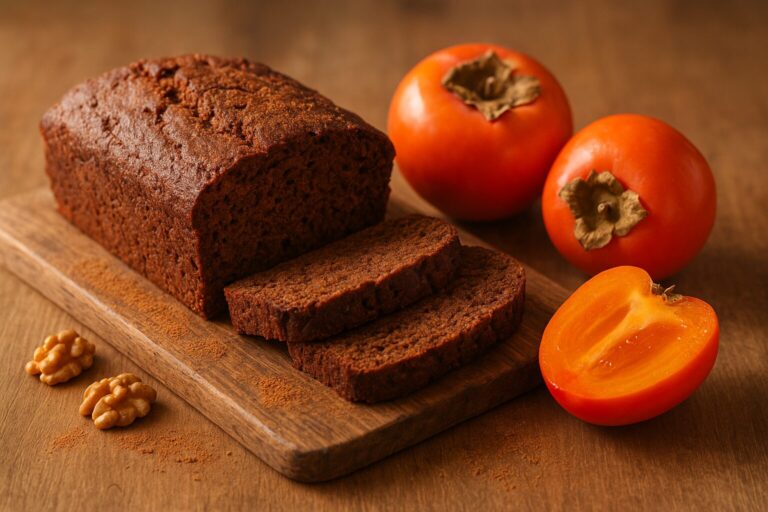
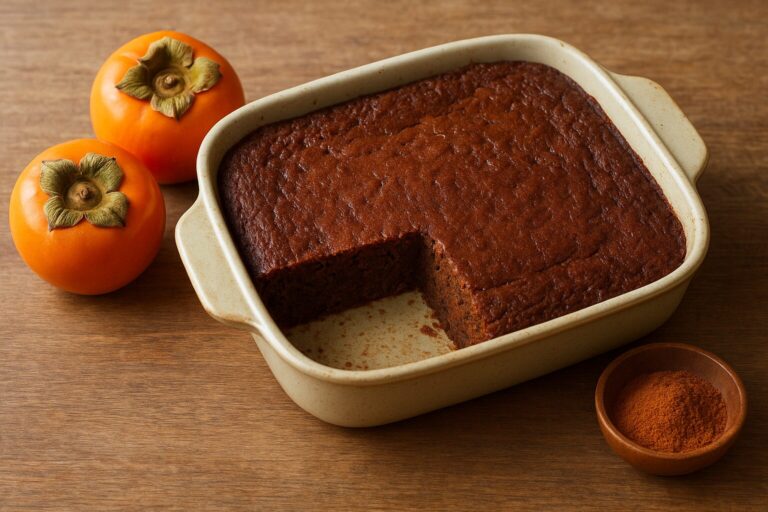
For those who enjoy baking, ginger provides a warm contrast to sweet fruits. You might consider adding minced fresh ginger to Persimmon Fruit Recipes for Baking and Natural Wellness to enhance the earthy sweetness of the fruit. The combination of ginger's heat and the soft texture of winter fruits is a classic pairing that supports a feeling of wellness during the holiday season. Always remember to store your ginger properly; keeping it in a sealed bag in the crisper drawer of the refrigerator will help it stay fresh for up to three weeks, while freezing the whole root allows you to grate it easily whenever a recipe calls for a quick burst of spice.
Frequently Asked Questions
Should I peel ginger before making tea?
Peeling is not strictly necessary if you are using organic ginger and scrub the root thoroughly to remove dirt. The skin contains many of the same aromatic compounds as the flesh. However, if the skin is very thick, tough, or has blemishes, removing it with the edge of a spoon can result in a cleaner-looking, more refined tea. For juices and shots, leaving the skin on is generally fine as the solids will be strained out anyway.
How long can I store honey-preserved ginger?
When kept in a sterilized, airtight glass jar in the refrigerator, honey-preserved ginger (saenggang-cheong) can last for several months. The honey acts as a natural preservative. Always use a clean, dry spoon to scoop out the ginger and syrup to prevent introducing bacteria or moisture that could lead to spoilage. If you notice any off-smells or visible mold, discard the batch immediately.
Can I use dried ginger powder instead of fresh root?
While dried ginger powder is convenient, it has a different flavor profile and chemical composition than fresh ginger. Dried ginger is often much hotter and more concentrated because the drying process converts gingerols into shogaols. For most traditional tea and syrup recipes, fresh ginger is preferred for its juice content and vibrant essential oils, but powder can work in a pinch if you reduce the amount significantly—usually about 1/4 teaspoon of powder for every tablespoon of fresh ginger.
What is the best way to extract ginger juice for recipes?
The most efficient way to get pure ginger juice is to grate the fresh root using a microplane or fine grater, then place the pulp into a piece of cheesecloth or a clean kitchen towel and squeeze firmly over a bowl. This separates the potent liquid from the fibrous solids, which can then be used for the Korean saenggang-cha or wellness shots. You can also use a high-powered juicer if you are processing large quantities of ginger at once.

Leave a Reply