The Importance of Proper Herbal Tea Storage
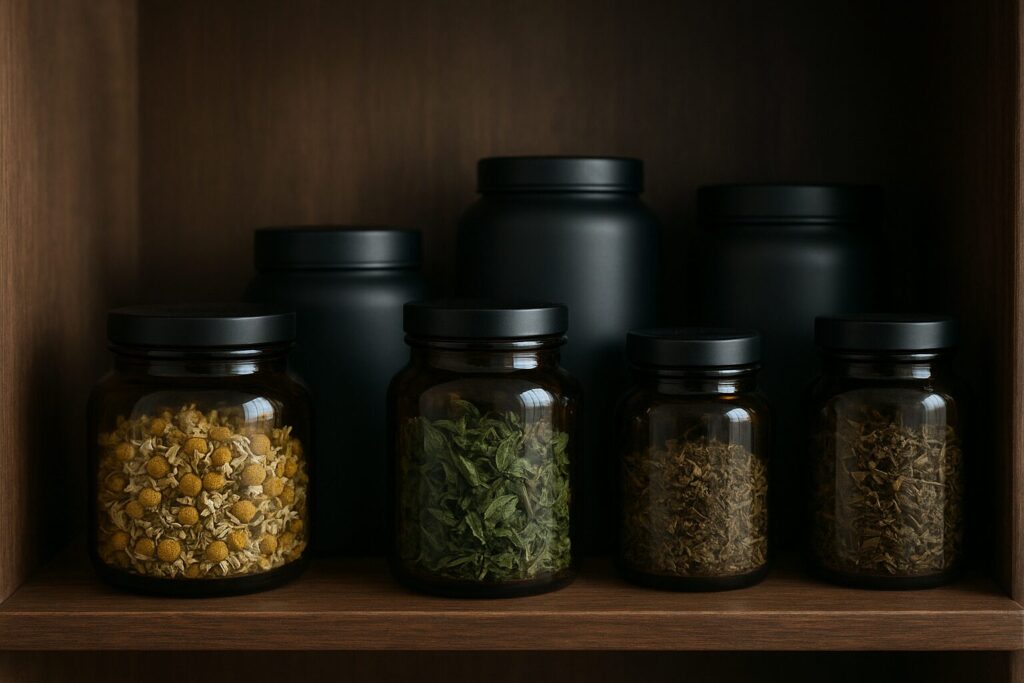
When you invest in high-quality botanicals, maintaining their integrity is essential for both flavor and wellness support. Proper storage ensures that the volatile oils and active plant compounds remain intact over time. While most dried herbs require a strictly dry environment, some specialized varieties involve unique processing. For example, Pu-erh tea is a fermented variety from Yunnan Province made from Camellia sinensis var. assamica, which undergoes microbial fermentation involving molds, bacteria, and yeasts[1]. Understanding these differences helps you tailor your storage methods to the specific needs of your collection, whether you are keeping simple peppermint leaves or complex fermented dark teas. Without proper care, your herbs can quickly lose the delicate qualities that make them beneficial for your daily routine.
Protecting Your Herbs from the Four Elements of Decay
To keep your herbal collection at its peak, you must defend against four primary environmental factors: light, heat, moisture, and air. UV light is particularly damaging to delicate flowers like chamomile or hibiscus, as it can bleach the vibrant colors and break down the chemical structures that provide their benefits. Similarly, high temperatures or frequent fluctuations can cause aromatic properties to evaporate, leaving you with a dull-tasting infusion. Avoid keeping your tea station directly above the stove or near a radiator, as these heat sources accelerate the degradation of plant material.
Managing Moisture and Oxygen
Moisture is perhaps the most dangerous element, as it creates a breeding ground for mold in dried botanicals. Even a small amount of humidity trapped in a jar can ruin a whole batch. Oxygen also plays a role through oxidation. While controlled oxidation is a standard part of traditional tea production, where enzymes in the plant are allowed to react before drying[1], unwanted exposure to air after the tea is finished leads to staleness. Keeping your containers tightly sealed is the best way to prevent this gradual decline in quality. If you live in a particularly humid climate, consider using food-grade desiccant packets inside your larger storage jars to absorb any stray moisture that enters when the lid is opened.
Optimal Containers for Loose Leaf Herbal Blends
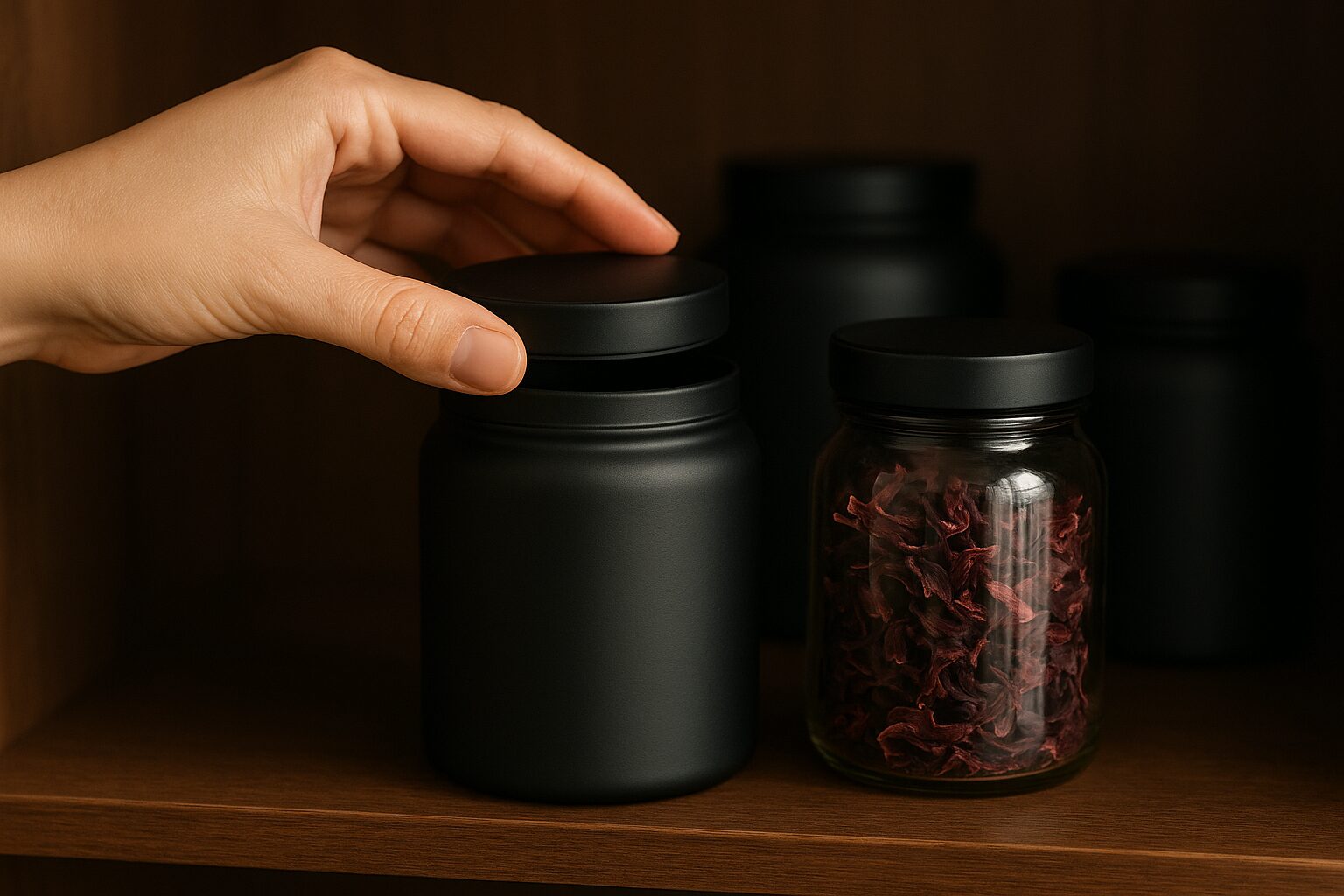
Choosing the right vessel is the first step in a successful storage strategy. While clear glass jars look beautiful on a counter, they offer no protection against light. Amber or cobalt glass jars are superior choices because they filter out harmful UV rays while allowing you to see the contents. If you prefer to display your herbs, ensure they are kept inside a dark cabinet or pantry to avoid light exposure. For those who enjoy a variety of blends, having a uniform set of jars can make organization much simpler.
- Airtight Tin Canisters: These are excellent for long-term freshness as they are completely opaque and usually feature a tight-fitting lid that blocks oxygen. Double-lid tins provide an extra layer of protection against the air.
- Ceramic Crocks: For large batches of daily staples like nettle or oat straw, ceramic containers provide a cool, stable environment. Ensure the lids have a silicone seal to remain airtight.
- Avoid Plastic: It is generally best to avoid plastic containers for aromatic herbs. Plastic can be porous, allowing scents to escape or, conversely, absorbing the strong aromas of herbs like valerian, which can be difficult to wash out later. Over time, plastic may also leach chemicals into the herbs, especially if stored in a warm area.
- Violet Glass: Often called Miron glass, this specialized material blocks the entire spectrum of visible light except for violet, which is thought to preserve the bio-energy of the plants for longer periods.
Creative Organization for Your Home Apothecary
A well-organized tea station makes it easier to incorporate wellness into your daily routine. Using tiered shelving or dedicated tea drawers allows you to see your entire collection at a glance, preventing forgotten jars from sitting at the back of the shelf for years. Consider grouping your teas by their intended use. For instance, you might place ingredients used in herbal beauty tips for a natural skincare routine, such as calendula or horsetail, in a dedicated section for external use or beauty-focused infusions. This helps you quickly find what you need for a facial steam or a soothing bath soak.
Labeling is the most critical part of organization. Every jar should clearly state the name of the herb, the date it was purchased or harvested, and any specific wellness goals it supports. This practice ensures you are always using the freshest material and helps you track which blends are most effective for your needs. If you create your own custom mixtures, such as those found in best herbal teas for inflammation and soothing traditional remedies, write down the ratios on the back of the label so you can recreate the blend later. Storing these labeled jars in a cool, dark pantry or a dedicated wooden tea chest will maximize their shelf life and keep your space clutter-free.
Specialized Storage for Different Herbal Categories
Not all herbs should be treated the same way. Hardy materials like roots, barks, and berries (often used for decoctions) are more resilient than delicate leafy herbs or flower petals. However, they still benefit from being kept dry and cool. Highly aromatic herbs, such as peppermint, ginger, or valerian, should be stored in high-quality glass or tin to prevent their strong scents from transferring to milder blends stored nearby. If you are using ginger black tips and what they mean for your herbal remedies, ensure they are kept in a container that prevents them from picking up moisture from the air, which can lead to rapid spoilage.
Handling Fermented and Sleep Blends
Unique items like Pu-erh require a different approach. Because Pu-erh is microbially fermented and continues to evolve, it often requires a small amount of airflow compared to the strictly airtight requirements of standard dried herbs[1]. In traditional settings, these are often wrapped in breathable paper or stored in unglazed clay jars. For your evening rituals, keeping best herbal teas to help sleep and improve your bedtime routine in bedside-ready containers can make your nightly wind-down more seamless. Just ensure the bedside container is opaque and kept away from warm lamps or electronics that generate heat. You might also want to group your herbal teas for weight loss and supporting natural metabolism together in a kitchen cupboard where they are easily accessible during your morning routine.
Maintaining Your Tea Collection Over Time
Even with perfect storage, dried herbs do not last forever. A good rule of thumb is to refresh your stock regularly. You can perform a "sniff test" to check for potency; if the herb has lost its characteristic aroma or looks dusty and grey, its active compounds have likely degraded. To prevent waste, use a First-In, First-Out (FIFO) rotation method, placing newer purchases behind older ones. This is especially important if you buy in bulk to save money or if you harvest your own herbs from a garden. When you replenish a jar, try to use up the last of the old batch before adding the new material to avoid mixing fresh herbs with older, weaker ones.
Always perform a safety check before brewing. If you notice any clumping, off-smells, or visible fuzzy growth, this indicates moisture damage, and the tea should be composted immediately. If you are unsure about the safety or quality of an old herbal remedy, or if you are considering using herbs for a specific health condition, it is wise to consult with a healthcare professional or a qualified herbalist for guidance. For those integrating practical herbal remedies that actually work for everyday health, keeping a small journal of how each tea tastes and feels over time can help you identify when a batch is past its prime. By respecting the shelf life of these plants, you ensure that every cup you brew provides the maximum potential for your wellness goals.
Frequently Asked Questions
How long do dried herbal teas typically stay fresh?
Most dried herbs and flowers maintain their best quality for about 6 to 12 months when stored correctly. Harder materials like roots and barks can sometimes last up to two years. While they may not become unsafe after this period, they will significantly lose their flavor, aroma, and wellness properties. If the tea looks faded or has no scent, it is time to replace it.
Can I store my herbal tea in the refrigerator or freezer?
It is generally not recommended to store dried herbal teas in the fridge or freezer. The main risk is condensation; every time you take the container out, moisture can form on the cold herbs, leading to mold growth. A cool, dry cupboard at room temperature is much safer for long-term storage. The only exception is if you are sealing tea in a vacuum-sealed bag for multi-year storage, but once opened, it must stay out.
Is it better to store tea bags differently than loose leaf herbs?
Tea bags have more surface area exposed to air because the herbs are finely cut, meaning they degrade faster than whole loose leaves. It is even more important to keep tea bags in an airtight tin or a sealed jar rather than just leaving them in their original cardboard box, which provides no protection against air or moisture. If the bags come individually wrapped in foil, they will last longer than those in paper wrappers.
What should I do if my tea loses its aroma but still looks fine?
If the aroma is gone, the volatile oils have evaporated. While the tea is likely still safe to drink (provided there is no mold), it will lack the flavor and many of the benefits you expect. You can try using it in a foot soak or for a herbal bath where the physical taste is less important, or simply compost it and replacing it with a fresh batch to ensure you get the full wellness support.
Leave a Reply