Understanding the Role of Herbal Infusions in Natural Wellness
When seeking ways to support the body’s natural systems, many people turn to the comfort of a warm mug. In the world of natural wellness, it is helpful to distinguish between true teas and herbal tisanes. While true teas come from a specific plant, herbal infusions utilize a vast array of dried flowers, roots, and leaves to deliver botanical properties. These warm infusions have been used for centuries as a cornerstone of traditional self-care, offering a gentle way to incorporate soothing herbs into a daily routine. By understanding how these plants interact with our physiology, we can better appreciate their role in maintaining physical comfort and balance. Integrating practical herbal remedies that actually work for everyday health into your lifestyle involves more than just selecting an herb; it requires an appreciation for the brewing process and the quality of the ingredients used.
Green Tea: The Ancient Leaf of Camellia Sinensis
Green tea is a distinct type of tea crafted from the leaves and buds of the Camellia sinensis plant. Unlike oolong or black teas, these leaves do not undergo the withering and oxidation process, which preserves their vibrant color and specific chemical profile[1]. The history of this beverage is deeply rooted in China, tracing back to the late 1st millennium BC, with its cultural significance solidified by influential texts like 'The Classic of Tea' written during the Tang dynasty[1].
In modern wellness contexts, green tea is recognized for its potential to slightly lower blood pressure and improve mental alertness[1]. However, it is vital to approach its use with moderation. While a standard cup is a staple for many, excessive intake of concentrated green tea extracts has been linked to liver damage and gastrointestinal discomfort[1]. Furthermore, because the compounds in the leaf are biologically active, they may interfere with certain prescription medications[1]. For those exploring beneficial health ideas for tea to support your daily wellness, green tea remains a foundational choice when enjoyed mindfully. It is often served plain, but some traditions include a slice of lemon to enhance the flavor profile and provide a bright, citrusy finish.
Turmeric and Ginger: Golden Roots for Daily Support
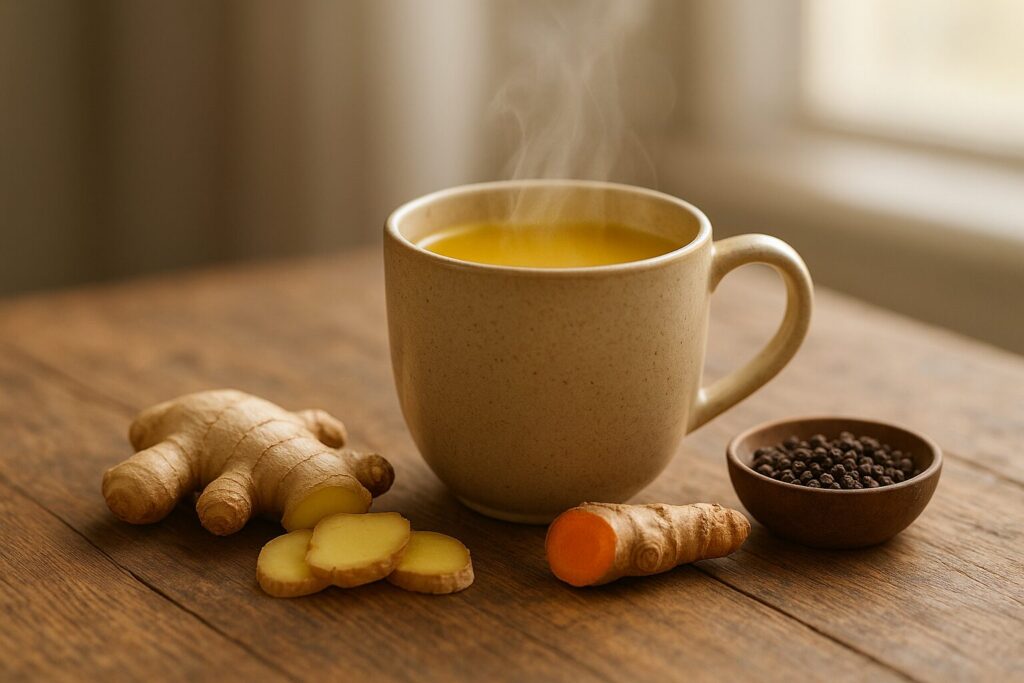
The use of rhizomes—the horizontal underground stems of plants—is a hallmark of both Ayurvedic and Traditional Chinese practices. Turmeric and ginger are perhaps the most famous of these golden roots. Turmeric is prized for its earthy flavor and the compound curcumin, which is often the focus of those looking to manage inflammation naturally. When preparing turmeric at home, it is helpful to understand that the active components are fat-soluble. This means they dissolve better in fats than in water. Adding a small amount of healthy fat, such as a teaspoon of coconut oil or a splash of full-fat plant milk, can make the tea more satisfying and traditional. A practical tip for any turmeric tea drinker is to include a small pinch of black pepper; the piperine in the pepper is known to significantly improve the body's ability to absorb the active components of the root.
Ginger for Digestive and Physical Comfort
Ginger serves as a perfect companion to turmeric. Traditionally, it is used to support digestive comfort and provide a warming sensation that many find soothing during times of physical tension. When preparing these teas, you can use fresh or dried roots. Freshly grated ginger often provides a more pungent, spicy kick, while dried powder offers a more concentrated, earthy base. Simmering these roots for several minutes allows for a deeper extraction of their hardy fibers compared to delicate leaves. This process, known as a decoction, ensures that the dense cellular structure of the rhizome releases its flavorful and aromatic compounds into the water.
Floral and Leafy Botanicals: Chamomile and Nettle
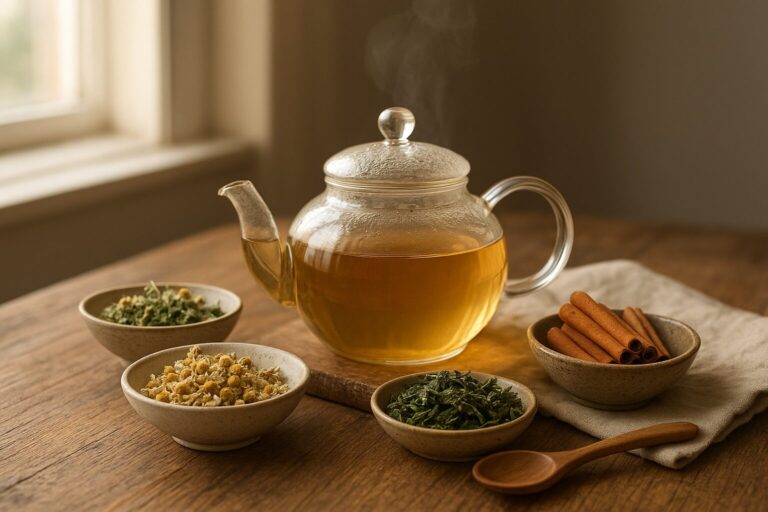
Beyond roots and tea leaves, the garden offers floral and leafy options that have served as traditional tonics for generations. Chamomile is widely regarded as a gentle evening tea, often used to promote systemic relaxation and a sense of calm. Its mild, apple-like aroma makes it a favorite for those winding down after a long day, potentially helping to ease the mental stress that often accompanies physical discomfort. When purchasing chamomile, look for whole flower heads rather than fannings or dust; the whole flowers typically retain more of the essential oils that give the plant its characteristic scent and soothing properties.
Stinging nettle, on the other hand, is frequently utilized as a mineral-rich tonic. In traditional herbalism, nettle is seen as a nourishing plant that supports the body's overall vitality. To get the most out of leafy herbs, steeping times are key. While a quick dip might provide a light flavor, allowing the leaves to steep for a longer duration ensures that the water has enough time to draw out the plant's natural minerals and flavonoids. To balance the earthy, hay-like notes of nettle, many enthusiasts add a squeeze of lemon or a teaspoon of raw honey, which also adds a boost of vitamin C to the infusion. This creates a more complex flavor profile that is both refreshing and grounding.
Traditional Preparation Methods for Maximum Benefit
To truly honor the plants you are using, the method of preparation must match the plant part. Herbalists generally categorize preparations into infusions and decoctions. An infusion is best for delicate parts like flowers (chamomile) or leaves (nettle and green tea). For these, you simply pour hot water over the herbs and let them sit in a covered vessel. A decoction is necessary for tougher materials like roots (ginger and turmeric) or bark; this involves simmering the herbs in boiling water for a longer duration to break down the cellular walls. If you are mixing roots and leaves, it is often best to decoct the roots first, remove them from the heat, and then add the leaves to steep in the hot liquid.

Preserving Volatile Oils and Temperature Control
One of the most common mistakes in tea brewing is leaving the cup uncovered. Many of the beneficial properties of herbs are found in their volatile oils, which can easily escape with steam. Always cover your mug or teapot with a lid or saucer while steeping. Additionally, temperature matters significantly. While roots can handle a rolling boil, delicate green tea leaves can become bitter if scorched. Using water that has just slightly cooled from the boil preserves the nuanced flavors and prevents the degradation of sensitive compounds. For green tea, water that is steaming but not yet boiling is often ideal, whereas for a ginger decoction, a steady simmer is required to penetrate the thick root fibers.
Safety Considerations and Professional Guidance
While herbal teas are a natural way to support wellness, they are not a replacement for professional medical treatment. Herbs can be powerful, and their effects vary from person to person. It is essential to consult with a healthcare provider or a pharmacist before introducing new herbal routines, especially if you are pregnant, nursing, or taking prescription medications. For example, certain herbs can act as natural blood thinners or may interact with heart and blood pressure medications. Some herbs can also affect how the liver processes other drugs, which can lead to unexpected side effects or reduced medication efficacy.
Quality also plays a significant role in safety. Sourcing organic, high-quality herbs ensures that your tea is free from pesticides and heavy metal contaminants that can sometimes be found in mass-produced products. If you are interested in other natural ways to address physical tension, you might also read about how castor oil can help with inflammation naturally as a topical complement to your internal tea routine. Always listen to your body; if you experience any unusual symptoms like skin rashes, stomach upset, or headaches after trying a new herb, discontinue use and seek professional advice. Keeping a simple journal of what you drink and how you feel can help identify which botanicals work best for your unique system.
Complementary Natural Habits for Soothing Inflammation
Drinking herbal tea is most effective when it is part of a broader lifestyle dedicated to wellness. Managing inflammation often requires a multi-faceted approach that includes proper hydration, a nutrient-dense diet, and adequate rest. You can enhance your tea-drinking experience by turning it into a mindful ritual. Taking ten minutes to sit quietly without distractions while sipping your infusion can help lower stress levels, which is a known factor in systemic inflammation. This mental break allows the nervous system to shift from a state of high alert to one of rest and recovery.
Consider pairing your internal remedies with external ones to create a holistic environment for healing. For instance, using a herbal face steam guide for a natural kitchen glow can provide a soothing sensory experience that relaxes the muscles of the face and neck while you wait for your tea to steep. By combining these traditional practices—such as mindful steeping, topical applications, and a balanced diet—you create a supportive environment for your body to thrive. Remember that wellness is a journey of small, consistent choices rather than a single quick fix. Over time, these daily rituals can contribute significantly to a sense of overall vitality and physical comfort.
Frequently Asked Questions
How much herbal tea should I drink daily for inflammation?
A common approach is to enjoy a few cups throughout the day as part of a balanced routine. However, the ideal amount depends on the specific herb and your individual health status. For instance, green tea contains caffeine and should be limited if you are sensitive to stimulants. It is generally wise to start with a single cup to see how your body responds before gradually making it a more frequent part of your day.
Can I drink green tea if I am taking prescription heart medication?
Green tea can interact with certain medications, including blood thinners and some heart drugs. Because it contains vitamin K and other active compounds, it may alter the effectiveness of your treatment [1]. It is vital to speak with your doctor or pharmacist before consuming green tea regularly if you are on any prescription heart or blood pressure protocols to ensure there are no harmful interactions.
Is it better to use fresh herbs or dried tea bags for inflammation?
Both have benefits. Fresh herbs like ginger and turmeric often have a more vibrant flavor and high water content, which is excellent for decoctions. High-quality dried herbs are more concentrated and have a longer shelf life, making them convenient for daily use. The most important factor is the quality and sourcing of the herb—look for organic options to avoid pesticides—rather than whether the plant is fresh or dried.
Should I add milk or sweeteners to my anti-inflammatory tea?
While milk and honey can improve flavor, some traditional views suggest that dairy might affect the absorption of certain plant compounds. If you prefer a sweetener, a small amount of raw honey or maple syrup is a natural choice. For turmeric tea, adding a healthy fat like coconut oil or a splash of almond milk is actually recommended, as it helps the body absorb the fat-soluble curcumin more effectively.
How long does it take to notice the benefits of herbal tea?
Herbal remedies generally work gently and cumulatively over time. While a warm cup of ginger tea might provide immediate digestive comfort or a warming sensation, supporting the body's natural inflammatory response usually requires consistent consumption as part of a healthy lifestyle. It is best viewed as a long-term wellness support tool rather than an instant fix for acute physical issues.


Leave a Reply