
Embracing the Season with Wild Garlic Ideas
Wild garlic is a vibrant member of the Allium genus, a botanical group that includes well-known kitchen staples such as onions, shallots, leeks, and chives[1]. As a perennial flowering plant originally native to Central Asia, it has successfully naturalized across many regions, including Mediterranean Europe[1]. Foraging for this seasonal herb allows enthusiasts to connect with ancient traditions, as various civilizations have used the plant for thousands of years as both a pungent seasoning and a staple in traditional medical remedies[1]. The distinct, sharp aroma and flavor of the plant are primarily due to its sulfur compounds, which become particularly evident when the leaves are crushed or bruised[1]. In the natural wellness community, these early spring greens are celebrated as one of the first signs of seasonal renewal, offering a fresh way to integrate traditional herbs into modern lifestyle routines.
Traditional Wellness Uses and Health Benefits
The use of garlic in folk treatments is deeply rooted in history, particularly across the Mediterranean and Asia where it remains a significant element of traditional care[1]. Ancient civilizations, including the Babylonians, Egyptians, and Romans, recognized the value of these bulbous plants in their daily wellness practices[1]. Modern clinical evidence supports the idea that consuming garlic provides specific health benefits, often linked to the presence of those characteristic sulfur compounds[1]. These compounds, such as allicin, are released when the plant tissue is damaged, acting as a natural defense mechanism for the plant and a source of wellness support for humans.
In a natural wellness context, wild garlic is often integrated into a balanced diet to support the immune system during the changing seasons. Many practitioners suggest using the leaves fresh to maximize the availability of these active components. While these traditional uses are widespread, it is essential to consult a healthcare professional or pharmacist before using concentrated herbal preparations, especially if you are managing specific medical conditions or taking prescribed medications. For those looking to incorporate these benefits into their evening meals, exploring Healthy Garlic Dinner Ideas Using Raw and Roasted Cloves can provide further inspiration on how to utilize Allium species effectively.
Culinary Inspiration for Foraged Greens
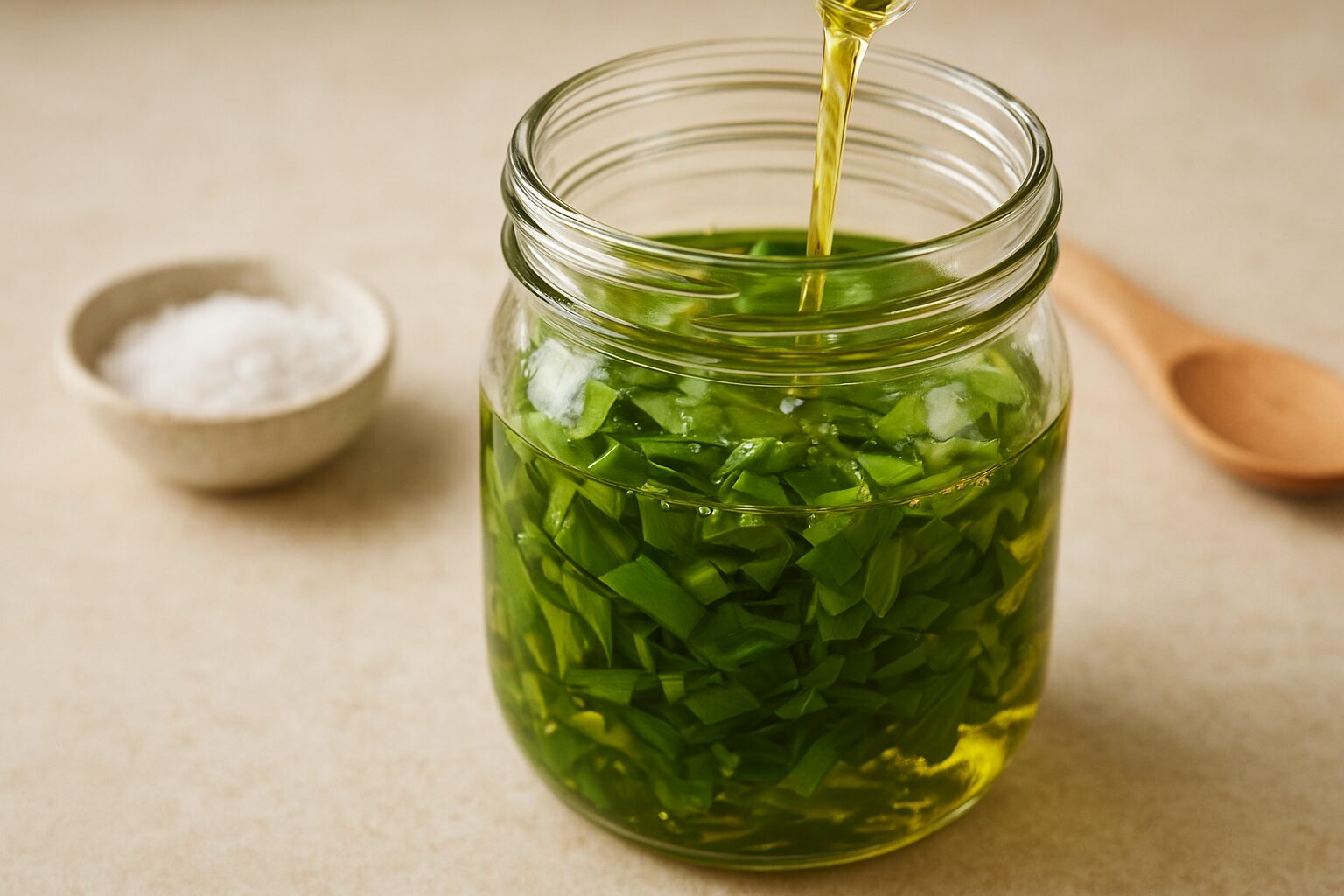
Unlike the standard bulb garlic found in grocery stores, wild garlic is often prized for its tender green leaves. These leaves can be used as a fresh, mild substitute for cloves in almost any recipe. One of the most popular wild garlic ideas is creating a vibrant pesto. By blending the chopped leaves with high-quality natural oils, nuts, and a pinch of salt, you can capture the essence of spring in a jar. The flavor is often described as a cross between traditional garlic and chives, making it versatile for those who find raw cloves too intense.
Integrating Wild Garlic into Daily Meals
The leaves can be finely sliced and stirred into soups, folded into omelets, or used to top baked potatoes. You might also consider finely chopping the greens and folding them into softened grass-fed butter to create a compound butter that can be stored in the freezer. For a more substantial project, you can learn How to Make a Healthy Garlic Bread Recipe Using Fresh Garlic and simply substitute a portion of the cloves with finely minced wild garlic leaves for a seasonal twist. The leaves lose some of their potency when heated, so adding them toward the end of the cooking process helps preserve their delicate nutritional profile and bright green color. You can also use the star-shaped white flowers as an edible garnish for salads, providing a spicy pop of flavor that mirrors the leaves.
Preserving the Harvest: Infusions and Oils
The foraging season for wild garlic is notoriously short, often lasting only a few weeks in the spring. To enjoy the plant year-round, many people turn to preservation methods that capture its volatile sulfur compounds[1]. Infusing the leaves into a carrier oil is a practical way to create a flavorful base for both culinary and topical applications. When the plant is preserved correctly, it maintains the pungent characteristics that have made Allium species a staple in both the kitchen and the apothecary for centuries.
Methods for Long-Term Storage
- Herbal Oils: Submerge clean, dry leaves in olive or sunflower oil. To prevent spoilage, these oils should be stored in the refrigerator and used promptly. For long-term safety, many herbalists recommend freezing the oil in ice cube trays.
- Wild Garlic Salts: Blend the greens with coarse sea salt and dehydrate the mixture at a low temperature to create a shelf-stable seasoning that retains the plant's mineral content.
- Vinegar Infusions: Steep the leaves in apple cider vinegar for several weeks in a cool, dark place to create a tangy tonic. This can be used as a base for salad dressings or taken as a traditional spring tonic.
- Fermentation: Like other Allium relatives, the leaves and bulbs can be fermented in a salt brine, which introduces beneficial bacteria while preserving the plant's natural properties.
For more general advice on maintaining the quality of your Allium harvest throughout the year, you may find it helpful to review Garlic Storage Ideas to Keep Your Bulbs Fresh for Months to understand the environmental factors that prevent spoilage and maintain potency.
Safe Foraging and Identification Practices
Safety is the most critical aspect of wild garlic foraging. Because the plant grows from a bulb and produces tall, erect flowering stalks, it can sometimes be confused with toxic lookalikes such as Lily of the Valley or Autumn Crocus[1]. The most reliable identification tool is the characteristic pungent odor; when you crush a leaf of wild garlic, it should smell unmistakably like garlic or onion[1]. If a plant looks similar but lacks this specific scent, it should be avoided entirely, as the toxic lookalikes can cause severe distress if ingested.
Sustainable Harvesting and Ecosystem Care
As a perennial plant, wild garlic returns year after year if the bulbs are left undisturbed[1]. Responsible foragers typically only harvest a few leaves from each clump, ensuring the plant has enough energy to complete its growth cycle and produce flowers. This practice also protects the local ecosystem, as wild garlic often forms a dense carpet on the forest floor that provides habitat for various insects. Understanding the transition from the early spring leaf growth to the emergence of white flowering clusters is key to identifying the plant throughout its lifecycle[1]. Avoid harvesting from areas near busy roads or places where chemical runoff may occur, as the leaves can absorb environmental contaminants.
Wild Garlic in Home Wellness Routines
Beyond the kitchen, wild garlic has a place in traditional home wellness routines. Following Mediterranean folk traditions, the plant's sulfur compounds are sometimes utilized in topical poultices or steam inhalations[1]. For a simple steam routine, a handful of fresh leaves can be added to a bowl of hot water to release the aromatic oils, which are then inhaled to provide comfort during the cold season. This method is often favored for its ability to deliver the volatile aromatics directly to the respiratory system.
Topical Application and Sensitivity
While the sulfur compounds are beneficial, they are also quite potent. Raw Allium species can cause skin irritation or sensitivity in some individuals. When creating topical preparations, it is wise to perform a small patch test on a small area of skin first. If you are interested in using these plants for skincare or topical health, always dilute the plant extracts in a carrier oil or base to mitigate the risk of a reaction. If irritation, redness, or a burning sensation occurs, discontinue use immediately and wash the area with mild soap and water. If symptoms persist, speak with a healthcare professional. For those interested in combining these greens with other natural elements, you might look into Garlic Bread Ideas for Dinner Using Fresh Herbs and Natural Oils to see how different herbal combinations can be used to enhance both flavor and wellness.
Botanical Characteristics and Global Significance
Garlic is cultivated in a variety of climates and countries, reflecting its adaptability and the global demand for its unique properties[1]. In 2024, China remained the largest producer, accounting for 73% of the world's supply[1]. This global scale highlights the importance of the Allium genus in modern agriculture and nutrition. Wild varieties, while not produced on the same industrial scale, offer a more localized and genetically diverse look at this plant family. The perennial nature of the plant means that it stores energy in its bulb through the winter, allowing for rapid growth as soon as the soil warms in the spring[1].
Understanding the botanical structure of the plant—from its bulbous root to its erect flowering stalk—helps foragers and gardeners alike appreciate its resilience[1]. In many cultures, the appearance of wild garlic is a celebrated event that marks the transition from the dormant winter months to a period of abundance. By learning to identify and use this plant, individuals can participate in a culinary and wellness tradition that spans thousands of years and multiple continents[1]. Whether used as a simple garnish or a complex infusion, wild garlic remains a testament to the enduring relationship between humans and the plant kingdom.
Frequently Asked Questions
How can I tell the difference between wild garlic and toxic lookalikes?
The most effective way to identify wild garlic is by its scent. When the leaves are crushed, they release a strong, pungent garlic aroma [1]. Toxic lookalikes, such as Lily of the Valley or Autumn Crocus, do not have this smell. Additionally, wild garlic leaves grow individually from the base, whereas many lookalikes have leaves that wrap around a central stem or grow in different patterns. Always verify with a local guide if you are unsure.
Can I use wild garlic flowers in my home remedies?
Yes, the flowers of the wild garlic plant are edible and contain similar sulfur compounds to the leaves [1]. They can be used as a garnish in salads or infused into vinegars to add a subtle heat. In traditional wellness, the entire aerial part of the plant is often utilized during its peak flowering season, though the leaves are typically more potent before the flowers fully open.
What is the best way to store wild garlic for long-term use?
Since the leaves wilt quickly, the best way to store them long-term is by freezing them in oil or making a salt preserve. You can also dry the leaves in a dehydrator, though they may lose some of their aromatic potency compared to fresh or frozen versions. For fresh storage, keep the stems in a glass of water in the refrigerator, similar to fresh flowers, for a few days.
Are there any side effects to consuming large amounts of wild garlic?
Consuming excessive amounts of any Allium species can lead to digestive upset, gas, or heartburn in sensitive individuals. Because garlic can have a natural blood-thinning effect, people scheduled for surgery or those on anticoagulant medications should consult their doctor before significantly increasing their intake of wild garlic. Always start with small amounts to see how your body responds to the sulfur compounds.
When is the best time to harvest wild garlic for the best flavor?
The best time to harvest is in early to mid-spring, before the plant begins to flower. During this period, the energy is concentrated in the leaves, making them tender and highly aromatic. Once the white flowers appear, the leaves can become slightly tougher and lose some of their sweetness, though they remain perfectly edible and useful for infusions.
Leave a Reply