Understanding Arandi Ka Tel: The Role of Castor Oil in Hindi Wellness
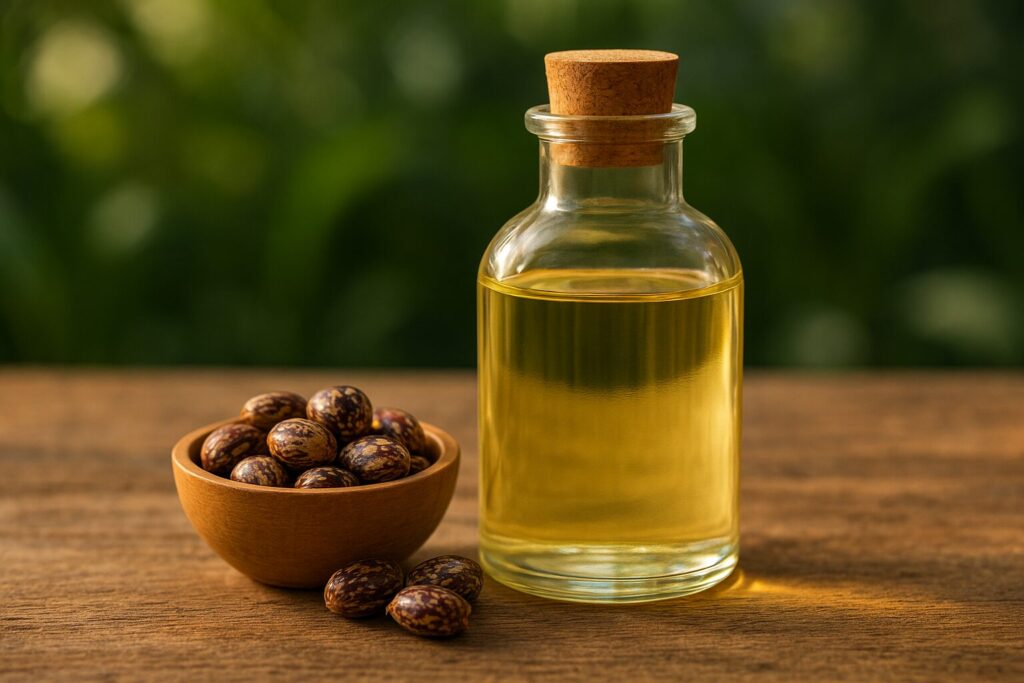
Castor oil, widely known as Arandi ka tel in Hindi, is a staple in traditional wellness cabinets across South Asia and beyond. This vegetable oil is derived from the seeds of the Ricinus communis plant, which thrives in tropical landscapes. Unlike lighter oils such as sunflower or grapeseed, castor oil is recognized by its remarkably thick, viscous texture and a pale yellow hue. Its unique fatty acid profile, dominated by ricinoleic acid, makes it a highly sought-after ingredient for various household and self-care applications. In many Hindi-speaking households, the castor bean plant is more than just a source of oil; it is a symbol of natural resilience and environmental utility.
When selecting castor oil for your own wellness routine, prioritize high-quality varieties to ensure purity. Opting for cold-pressed, hexane-free oils ensures that the natural properties of the seed are preserved without the introduction of harsh chemical solvents. This careful selection is the first step in honoring the traditional practices that have utilized this plant for generations. Whether used for topical moisture or as part of a traditional ritual, the quality of the oil determines its effectiveness and safety for the skin and hair.
Traditional Hair and Scalp Care with Castor Oil
In traditional hair care routines, Arandi ka tel is celebrated for its ability to coat and protect hair strands. Many families pass down the practice of using this thick oil to soothe a dry, itchy scalp or to add a protective layer to brittle hair ends. Because the oil is so dense, it is rarely used alone. Instead, it is frequently blended with lighter carrier oils like coconut or sweet almond oil to create a manageable consistency that is easier to distribute through the hair. This blending technique prevents the hair from becoming overly weighed down or difficult to wash.
Practical Application Techniques
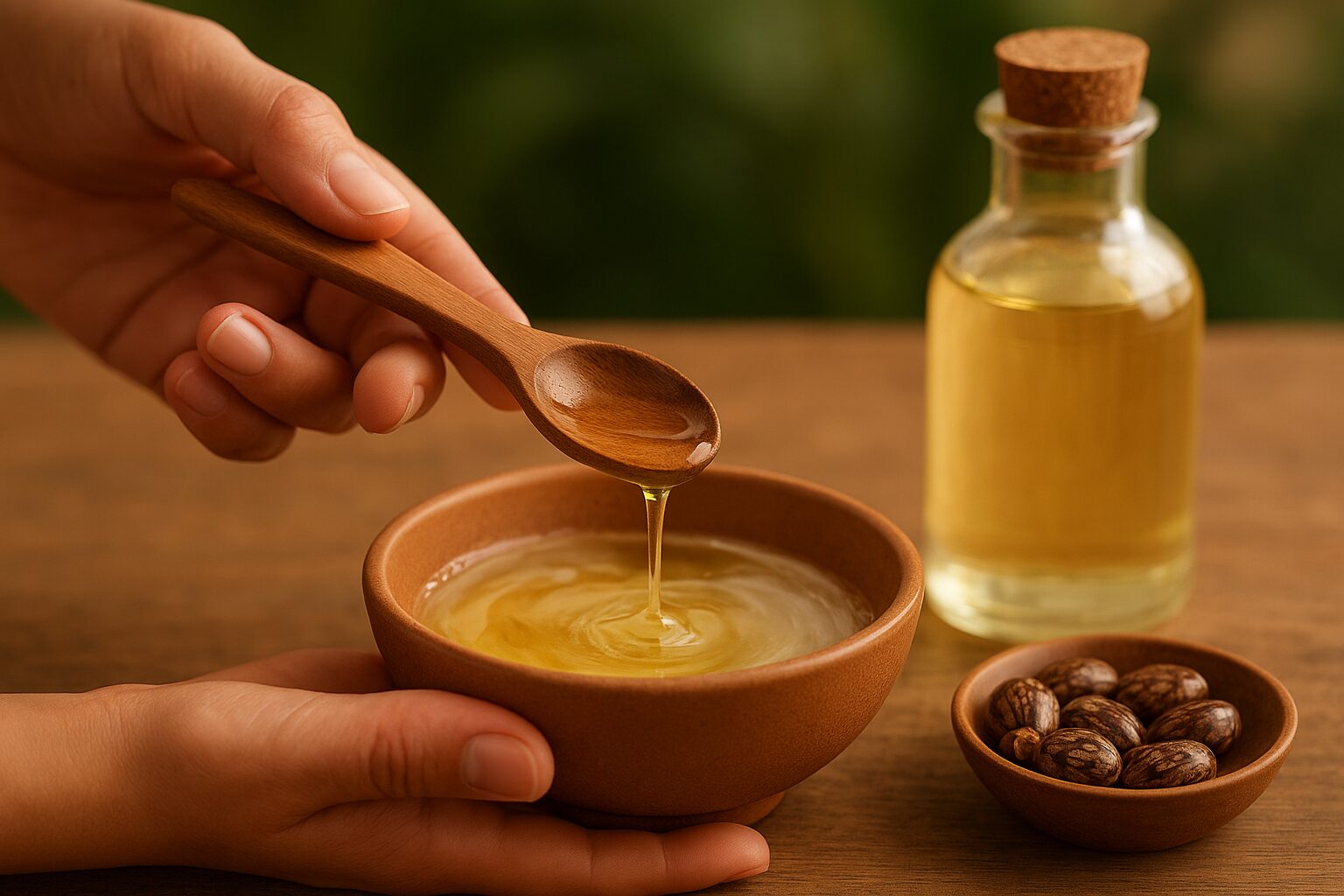
- Warm Oil Massage: Gently warming the oil blend before application is a common practice to help the oil spread more easily across the scalp and penetrate the hair shaft.
- Scalp Targeting: Using the fingertips to massage the oil into the roots can help address localized dryness and maintain a healthy scalp environment.
- Protective Coating: Applying a small amount to the ends of the hair can help shield them from the friction of clothing and environmental drying.
- Overnight Conditioning: Some choose to leave the oil in the hair overnight, covering it with a wrap to prevent staining linens, before washing it out the next morning with a gentle shampoo.
For those looking to maintain hair vitality, Castor Oil for Hair Growth Tips and Natural Scalp Care Ideas provides further context on how these traditional methods are adapted for modern scalp hygiene. Regular use in small amounts can help manage frizz and give the hair a healthy-looking sheen without the need for synthetic silicones or harsh chemicals commonly found in commercial conditioners.
Topical Applications for Skin and Joint Comfort
Beyond hair care, castor oil serves as a powerful natural emollient. Its thickness allows it to stay on the skin longer than thinner lotions, making it particularly useful for areas prone to extreme dryness, such as cracked heels, rough elbows, and dry cuticles. By creating a physical barrier, it helps the skin retain its natural moisture while shielding it from environmental stressors. In many traditional practices, it is applied specifically to the feet before bed to soften callouses over time.
Another common traditional practice involves the use of castor oil packs. This involves soaking a piece of flannel or cotton in the oil, placing it over a specific area of the body—such as the abdomen or a stiff joint—and applying a source of gentle warmth. This method is often used to manage feelings of heaviness or minor discomfort in the body. If you are interested in how this oil supports physical ease, you might explore How Castor Oil Can Help With Inflammation Naturally for more insights into topical applications. This external application is favored by those who prefer non-invasive, plant-based support for their daily physical wellness.
When applying to the skin, always start with a very small amount. The oil’s viscous nature means a little goes a long way, and it can be quite sticky if over-applied. It is often best used in the evening when the skin has ample time to absorb the oil without the interference of clothing or daily activities. For those with sensitive skin, it is wise to test a small patch of skin first to ensure the oil is well-tolerated before applying it to larger areas of the body.
Traditional Uses for Eyelashes and Brows
One of the most popular modern revivals of traditional castor oil use is for the grooming of eyelashes and eyebrows. In many cultures, a tiny amount of Arandi ka tel is applied to the brow line or the tips of the lashes before sleep. The goal is to provide deep conditioning to the hair follicles, which can help prevent premature breakage and give the appearance of fuller, darker hair. Because the oil is so thick, it stays in place well, reducing the risk of it running into the eyes during the night.
Safety is paramount when working near the eyes. It is recommended to use a clean spoolie brush or a cotton swab to apply the oil with precision. If you are interested in the specific steps for this delicate application, you can read more about Using Castor Oil for Eyelashes and Natural Eye Care. Always ensure the oil is pure and free from additives or fragrances that could cause stinging or redness. If any irritation occurs, the oil should be gently wiped away with a warm, damp cloth immediately.
Consistency is key with this traditional beauty ritual. While many people look for immediate results, the benefits of conditioning the lashes and brows usually become more apparent after several weeks of regular application. By keeping the hair hydrated, castor oil helps maintain the natural lifecycle of the lash, preventing the dryness that leads to thinning.
Internal Use and Digestive Wellness Precautions
In traditional Hindi wellness, castor oil has a long-standing reputation as a stimulant laxative. It is sometimes used to address occasional sluggishness in the digestive tract. However, internal consumption requires a high degree of caution and should never be done casually. Because of its potency, it can cause strong contractions in the intestines, which may lead to significant cramping, nausea, or discomfort if not used correctly. It is essential to consult with a healthcare professional or a pharmacist before attempting to use castor oil internally to ensure it is appropriate for your specific health situation.
Specific groups should exercise extreme care. For instance, Using Castor Oil for Constipation with Practical Tips and Precautions highlights the importance of understanding the risks before use. Pregnant women are generally advised to avoid internal use of castor oil, as it may stimulate uterine contractions. Furthermore, those with chronic digestive conditions, inflammatory bowel issues, or abdominal pain of unknown origin should seek professional guidance to ensure the oil does not exacerbate their symptoms or cause dehydration.
When used internally under professional guidance, the oil is typically mixed with a glass of juice or warm milk to mask its strong, somewhat unpleasant taste. However, for the majority of people, topical applications remain the safest and most effective way to integrate castor oil into a daily wellness routine without the risk of digestive upset.
Modern Integration and Practical Handling Tips
Integrating Arandi ka tel into a modern wellness routine is simple if you follow a few practical steps. First, because the oil is highly concentrated and thick, it can be difficult to handle. To make it more user-friendly, consider storing it in a pump bottle or a bottle with a dropper. This allows for precise measurement and reduces the mess associated with pouring such a viscous liquid. Always store your oil in a cool, dark place, as exposure to sunlight and heat can lead to oxidation, which makes the oil go rancid and lose its beneficial properties.
Removing castor oil from the skin or hair can be a challenge due to its inherent stickiness. When using it as a hair mask, a helpful tip is to apply your shampoo directly to the oiled hair before adding any water. The surfactants in the shampoo can latch onto the oil more effectively this way; once you add water and lather, the oil will rinse away much more easily. For skin applications, using a warm, damp washcloth can help lift excess oil from the surface without stripping the skin of its newly acquired moisture.
Finally, remember that while castor oil is a natural product, it is also very powerful. Using it in moderation is always better than over-application. Whether you are using it to soften your cuticles, condition your hair, or as part of a traditional wellness pack, a small amount is usually sufficient to achieve the desired effect. By respecting the potency of this ancient botanical resource and following these practical guidelines, you can safely enjoy its versatile benefits as part of a balanced, natural lifestyle.
Frequently Asked Questions
What is castor oil called in Hindi and where does it come from?
In Hindi, castor oil is known as Arandi ka tel. It is extracted from the seeds of the Ricinus communis plant, also called the castor bean plant. This plant is native to tropical regions like India and has been cultivated for thousands of years for its thick, nutrient-rich oil used in skin care, hair care, and traditional wellness practices.
Can I apply castor oil directly to my face for skin care?
Yes, you can apply it to the face, but it is best to do so sparingly. Due to its thick consistency, many people prefer to mix it with a lighter oil like jojoba, argan, or sweet almond oil. It is a good practice to test the oil on a small area of skin first to ensure it does not cause irritation or clog your pores, especially if you have oily or sensitive skin.
How often should I use castor oil in my hair for the best results?
For most people, a weekly or bi-weekly treatment is sufficient. Because the oil is very heavy, using it too frequently can lead to buildup on the scalp, which might require harsh washing to remove. Massaging a small amount into the scalp or the ends of the hair once a week can help maintain moisture and protect the hair from environmental damage.
Is castor oil safe for everyone to use internally?
No, internal use of castor oil carries risks and is not suitable for everyone. It acts as a strong stimulant laxative and can cause cramping or dehydration. Pregnant women, children, and individuals with chronic digestive issues should avoid internal use unless specifically directed by a doctor. Always consult a healthcare professional before consuming castor oil.
What should I look for when buying castor oil for wellness purposes?
Look for labels that specify 'Cold-Pressed' and 'Hexane-Free.' This ensures the oil was extracted without high heat or chemical solvents, preserving its natural integrity. If you plan to use it for sensitive areas like the eyes or skin, choosing an organic, high-purity variety can also help ensure the product is free from pesticide residues or synthetic additives.

Leave a Reply