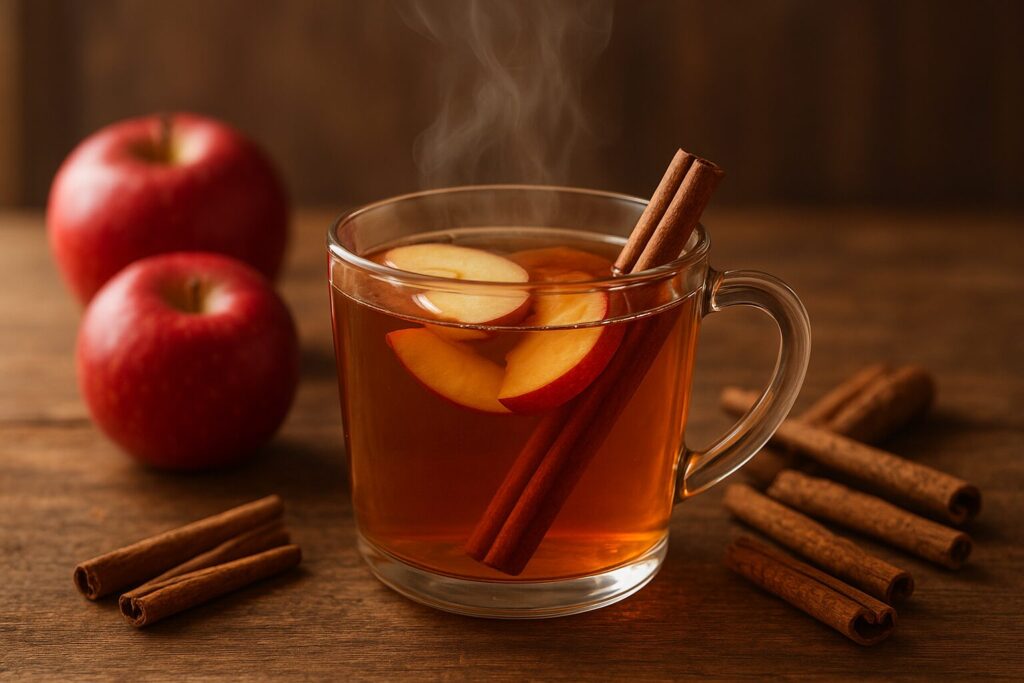
The Essence of Chinese Apple Cinnamon Wellness Tea
Chinese apple cinnamon tea is a cornerstone of traditional wellness rituals, cherished for its ability to provide warmth and comfort during cooler seasons. This herbal infusion relies on the natural synergy between the crisp sweetness of fresh apples and the deep, spicy notes of cinnamon bark. Unlike standard commercial tea blends, this traditional preparation focuses on using whole, unprocessed ingredients to create a hydrating beverage that supports a balanced lifestyle. By simmering these components together, the tea captures a unique aromatic profile that has made it a favorite in herbal wellness circles for generations, offering a moment of calm and sensory delight in every cup.
This beverage is more than just a flavorful drink; it represents a philosophy of using seasonal produce and bark-based spices to harmonize the body with its environment. In the tradition of herbal wellness, the combination of fruit and spice is used to create a soothing liquid that is easy to digest and pleasant to the senses. Whether you are seeking a caffeine-free evening ritual or a way to stay hydrated during the winter, this tea provides a gentle, plant-based option that aligns with natural living principles.
Understanding the Role of Chinese Cassia Cinnamon
Cinnamon is not a single spice but is harvested from the inner bark of several tree species within the Cinnamomum genus[1]. While many consumers are familiar with the delicate sweetness of Cinnamomum verum, also known as Ceylon or "true" cinnamon, the variety most commonly used in traditional Chinese wellness practices is Cinnamomum cassia[1]. This species, often referred to as Chinese cinnamon, is one of the primary varieties found in international commerce today[1].
Key Components of the Spice
The distinctive character of this tea comes from the essential oils found within the bark. The principal component responsible for the bold aroma and flavor is cinnamaldehyde, though the bark also contains other constituents like eugenol[1]. These aromatic compounds are released during the brewing process, providing the tea with its characteristic heat. Understanding the difference between regional varieties, such as Indonesian (C. burmanni) or Saigon (C. loureiroi) cinnamon, helps in selecting the right bark for a truly traditional profile[1].
When sourcing C. cassia, you will notice the bark is significantly thicker and harder than that of Ceylon cinnamon[1]. This structural difference is why simmering the bark is preferred over simple steeping; the heat is required to penetrate the dense layers and extract the essential oils. These oils are used widely as flavoring additives in everything from breakfast cereals to traditional teas and savory dishes[1].
Traditional Wellness Properties of Apple and Spice
In the context of traditional herbal practices, cinnamon is valued as an aromatic condiment and a flavoring additive used in a vast range of traditional foods and beverages[1]. When paired with apples, the spice serves to balance the fruit's natural sugars. This combination is frequently used in seasonal wellness routines because of its "warming" nature, which is believed to be particularly beneficial during the autumn and winter months.
Apples contribute more than just flavor; they provide a hydrating base that softens the intensity of the cinnamon. This creates a balanced infusion that is easy on the palate. In traditional wellness, the ritual of preparing and consuming such a tea is often linked to supporting digestive comfort and maintaining a sense of internal equilibrium. The steam from the hot tea also provides an aromatic experience that can help clear the senses, making it a holistic choice for those seeking natural ways to support their well-being.
The choice of apple can also influence the wellness profile. Sweeter apples provide a more comforting, mellow drink, while tarter varieties can offer a refreshing brightness. In traditional Chinese practices, the inclusion of the apple skin is often encouraged, as it contains much of the fruit's aromatic character. This aligns with the broader goal of Your Guide to Health and Wellness Tips, which emphasizes using whole foods in their most natural state to support everyday vitality.
How to Prepare a Traditional Wellness Infusion
Creating this tea at home requires patience and high-quality ingredients. To begin, select fresh, firm apples and whole cinnamon sticks rather than ground powder. Whole bark allows for a slower, more controlled extraction of the essential oils without making the liquid gritty or overly cloudy. Using the whole spice ensures you are getting the full spectrum of cinnamaldehyde and eugenol found in the genus Cinnamomum[1].
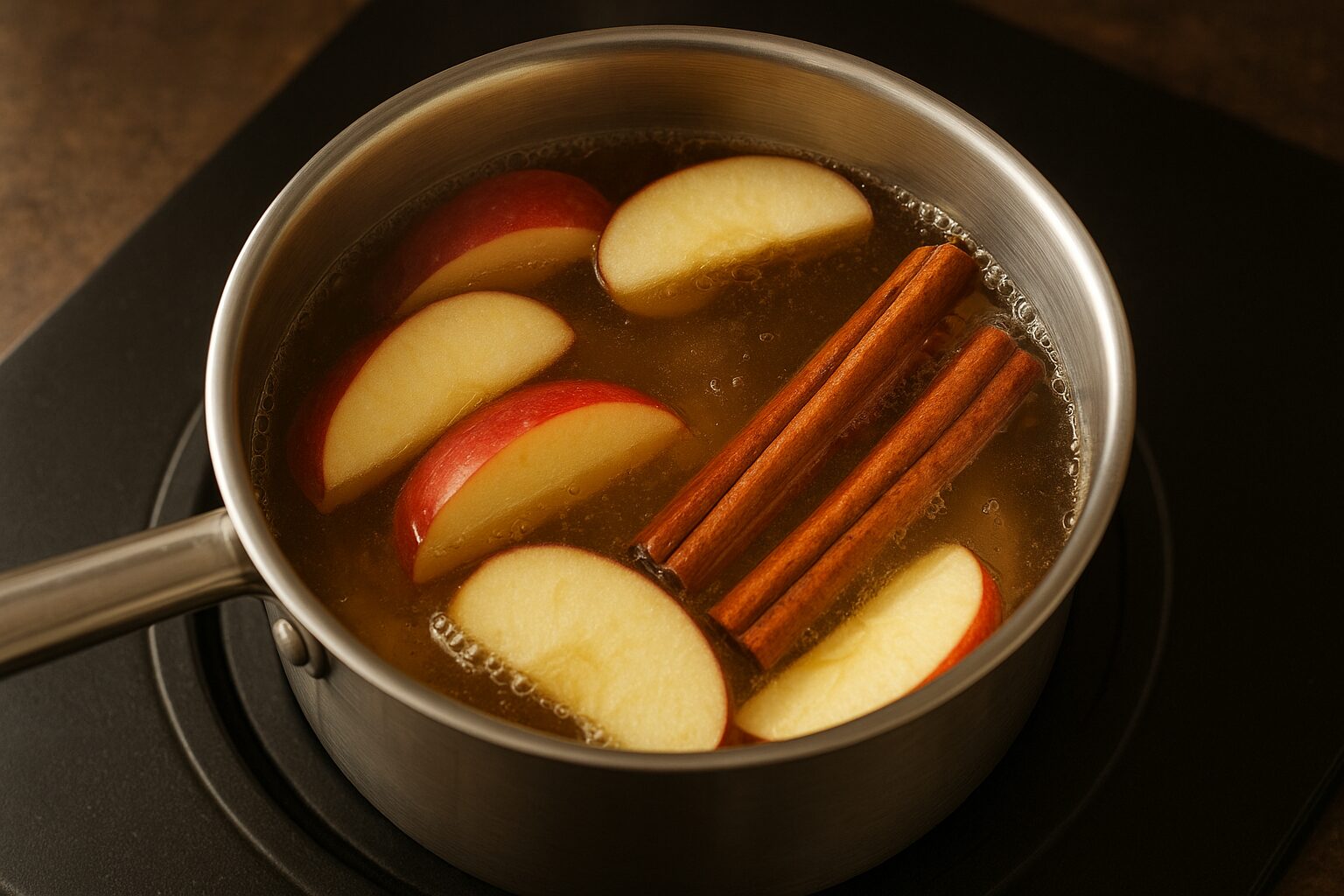
Step-by-Step Preparation
- Prepare the Fruit: Wash one large apple thoroughly. Slice it into thin wedges or small cubes, leaving the skin intact. Removing the seeds and core is recommended to ensure a clean flavor.
- Combine Ingredients: Place the apple pieces and one or two sticks of Chinese cassia cinnamon into a medium-sized pot. Add approximately four cups of filtered water.
- The Simmering Process: Bring the mixture to a gentle boil, then immediately reduce the heat. Allow the tea to simmer slowly. You will notice the water changing color as the bark releases its oils and the apples soften.
- Aromatic Check: The tea is ready when the liquid has taken on a rich color and the aroma of cinnamon is prominent in the air. This slow extraction method is superior to quick steeping for tough barks.
- Straining and Serving: Use a fine-mesh strainer to pour the tea into a mug. The softened apples can be eaten separately or discarded.
For those who prefer a more complex flavor, you might consider adding a few slices of fresh ginger or a star anise pod during the simmering stage. These additions complement the warming nature of the cinnamon and add further depth to the traditional wellness profile.
The Importance of Quality Ingredients in Herbal Teas
The effectiveness of an herbal tea is largely dependent on the quality of its source materials. When aiming for a traditional Chinese wellness profile, using Cinnamomum cassia is essential[1]. This variety has a thicker bark and a more pungent, spicy flavor compared to the milder Ceylon variety. Sourcing whole spices ensures that the volatile oils remain trapped within the bark until the moment of brewing[1].
Similarly, the choice of fruit matters. Organic apples are often preferred to avoid pesticide residue on the skins, which are left on during the simmering process. Using fresh, seasonal produce ensures that the tea is rich in natural flavors. By avoiding pre-packaged tea bags and opting for whole ingredients, you ensure a higher concentration of the aromatic compounds that define the wellness experience. This mindful approach to sourcing reflects a deeper respect for the botanical ingredients and their traditional uses.
Storing your ingredients properly is also vital. Cinnamon sticks should be kept in an airtight container in a cool, dark place to prevent the essential oils from evaporating. Once the bark loses its characteristic scent, it has likely lost its potency. Fresh apples should be used at their peak ripeness; overripe apples may become mealy when simmered, leading to a cloudy and less appetizing infusion.
Integrating This Tea into a Balanced Lifestyle
Incorporating apple cinnamon tea into your daily routine can be a simple yet profound way to practice mindfulness. Many traditional practitioners emphasize the importance of consistent, gentle wellness habits. For example, the story of how a 95-Year-Old Chinese Doctor Drinks THIS Daily highlights the value of using natural infusions to support long-term vitality and internal health.
The best time to enjoy this tea is often in the late afternoon or evening. Because it is naturally caffeine-free, it serves as an excellent alternative to coffee or black tea, helping the body transition into a state of relaxation before sleep. The act of holding a warm mug and breathing in the cinnamon-scented steam can serve as a grounding ritual, encouraging you to slow down and focus on the present moment. This practice of intentional consumption is a key element of holistic health.
Beyond the evening, this tea can be part of a morning routine for those who find caffeine too jarring. It provides a gentle "wake up" for the digestive system without the acidity of citrus or the jitters of coffee. By making this tea a regular part of your week, you create a reliable wellness anchor that reminds you to prioritize hydration and natural ingredients in a world of processed alternatives.
Safety Considerations and Professional Guidance
While Chinese apple cinnamon tea is a natural beverage, it should be consumed in moderation as part of a varied diet. Cinnamon contains compounds that, in very high amounts, may not be suitable for everyone. It is particularly important for individuals with underlying liver conditions or those who are pregnant or breastfeeding to exercise caution with concentrated herbal infusions. Cinnamomum cassia is known to have different chemical concentrations than C. verum, which is an important distinction for those monitoring their intake of specific spice constituents[1].
If you are taking medication for blood sugar management or anticoagulants, you should consult with a healthcare provider or a pharmacist before making this tea a regular part of your routine. Herbal ingredients can sometimes interact with prescription drugs, and a professional can provide guidance tailored to your specific health profile. Always listen to your body and discontinue use if you experience any unusual symptoms or digestive discomfort.
It is also wise to vary your herbal tea intake. While apple and cinnamon are generally well-tolerated, relying on a single herbal preparation indefinitely is rarely recommended in traditional wellness. Rotating your infusions ensures a broader range of botanical benefits and reduces the risk of over-consuming any single compound. Always prioritize professional medical advice over traditional practices when managing chronic health conditions.
Frequently Asked Questions
What is the difference between Chinese cinnamon and Ceylon cinnamon in tea?
Chinese cinnamon, or Cassia, comes from the Cinnamomum cassia tree and has a bolder, spicier flavor and thicker bark. Ceylon cinnamon (Cinnamomum verum) is often called 'true cinnamon' and has a thinner, more brittle bark with a delicate, sweet flavor profile. Cassia is the traditional choice for Chinese wellness teas due to its warming characteristics and robust aroma.
Can I use ground cinnamon instead of bark for this wellness tea?
While you can use ground cinnamon, it often makes the tea cloudy and leaves a gritty residue at the bottom of the cup. Using whole cinnamon sticks or bark pieces allows for a cleaner infusion and a more gradual release of aromatic oils like cinnamaldehyde. This results in a smoother taste and a more pleasant drinking experience without the texture of powder.
Is it better to use red or green apples for the infusion?
Red apples, such as Fuji or Gala, are generally preferred because they provide a natural sweetness that complements the spice. Green apples like Granny Smith offer a tarter flavor profile. You can choose based on your preference, but red apples usually eliminate the need for any added sweeteners, keeping the beverage entirely natural.
Are there any people who should avoid drinking Chinese apple cinnamon tea?
Individuals with liver disease should be cautious with Cassia cinnamon. Additionally, those on blood-thinning or diabetes medications should consult a doctor, as cinnamon may influence blood sugar and clotting. Pregnant or breastfeeding women should also seek professional advice before consuming herbal teas regularly to ensure they are safe for their specific needs.
How many times a day can I safely drink this herbal tea?
For most healthy adults, one to two cups a day is considered a moderate and safe amount. Since it is a natural infusion, it is best enjoyed as a supplement to a balanced diet rather than a primary source of hydration. Always monitor how your body responds and consult a professional if you plan on making it a permanent daily habit.
Sources
Source and attribution: www.pinterest.com

Leave a Reply