Exploring Chinese traditional food ingredients for natural wellness and cooking
Traditional Chinese food ingredients serve a dual purpose, acting as flavorful culinary staples and as tools for maintaining a balanced lifestyle. In many cultures, the kitchen is the first place one looks to support the body's natural functions. Good nutrition is fundamental to this approach, as it involves choosing foods and drinks that provide the energy and nutrients required for daily life[1]. By focusing on a variety of plants, roots, and dried fruits, you can ensure your body receives the proteins, carbohydrates, vitamins, and minerals it needs to grow, repair tissues, and stay healthy[1]. Understanding how these cultural traditions shape eating patterns allows for a more personalized approach to wellness, moving beyond a one-size-fits-all mentality to find a diet that works for your specific age, sex, and health goals[1].
The Evolution of Chinese Ingredients in the American Kitchen
The history of Chinese ingredients in North America is a story of adaptation and resilience. During the California Gold Rush between 1848 and 1855, Chinese immigrants arrived to work in mines and on railroads[2]. When discriminatory laws later prevented these immigrants from owning land, many turned to small businesses, such as laundry services and restaurants[2]. These early dining establishments had to be creative, using local ingredients and cooking procedures to satisfy the palates of American customers who were often unfamiliar with traditional flavors[2].
This led to the development of Sino-American cuisine, which serves dishes that are often quite different from those found in China[2]. While American Chinese food became a recognized regional style by the late 20th century, many wellness enthusiasts today are looking back toward the authentic, whole-food ingredients used in traditional preparations. This shift involves moving away from the heavy, sweet sauces common in early restaurant adaptations and returning to the use of bitter greens, fermented legumes, and medicinal roots that define the original culinary landscape. By understanding this history, you can better distinguish between a modern comfort dish and a traditional wellness-focused meal.
Foundational Roots and Tubers for Daily Vitality
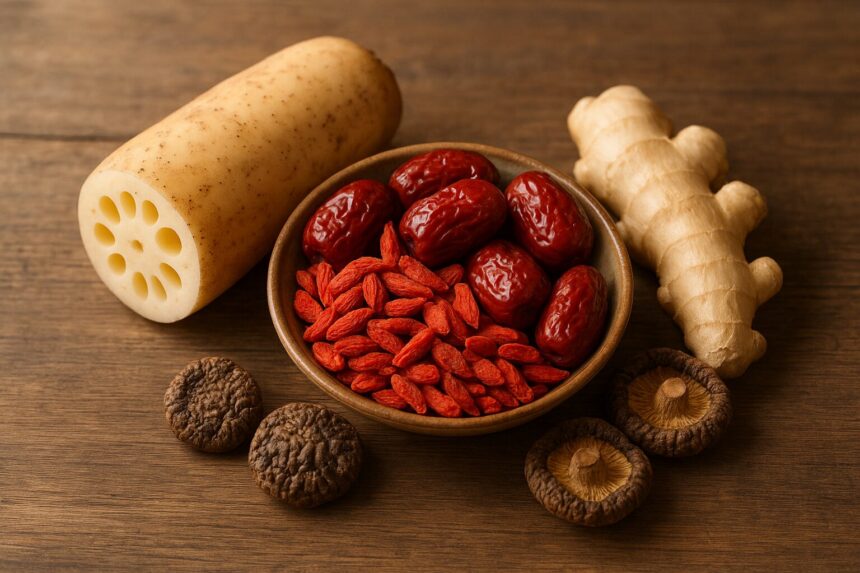
Roots and tubers form the backbone of many traditional wellness recipes. Fresh ginger and garlic are perhaps the most recognizable, used not just for their pungent aroma but for their roles in warming the body and supporting digestion. Beyond these basics, ingredients like lotus root and the Chinese mountain yam (Nagaimo) offer unique textures and high nutritional density. These starchy vegetables provide the energy your body needs every day, which is a key component of good nutrition[1].
Selecting and Using Fresh Roots
- Ginger: Look for firm, smooth skin. In traditional cooking, it is often sliced thin and added to a Traditional Chinese Chicken Herbal Soup for Winter Wellness to balance the richer flavors of the broth. If the skin is wrinkled, the ginger has lost its moisture and some of its aromatic potency.
- Lotus Root: This aquatic tuber is prized for its crunchy texture and beautiful wheel-like appearance when sliced. It is high in fiber and often used in stir-fries or slow-simmered soups. When buying, ensure the segments are heavy and the skin is creamy brown without dark bruises.
- Chinese Yam (Shan Yao): Known for its starchy, slightly sweet profile, it can be eaten raw or cooked and is a common addition to congees. It is often used to help keep the body working well and support the repair of tissues[1].
- Burdock Root (Niu Bang): Often found in long, slender stalks, this root has an earthy, nutty flavor. It is frequently used in broths and is valued for its fiber content.
When shopping at a local market, always prioritize roots that feel heavy for their size and are free from soft spots or mold. These fresh staples provide the complex carbohydrates and minerals necessary for sustained energy levels and can help you stay at a healthy weight when used as part of a balanced diet[1].
Dried Herbs and Fruits in Traditional Tonics
The Chinese pantry often relies on dried ingredients, which are valued for their concentrated nutrients and long shelf life. Goji berries (Gouqi) and Red Dates (Jujube) are among the most popular, frequently used to add a subtle, natural sweetness to dishes without the need for refined sugars. Limiting added sugars is a recommendation for maintaining heart health and overall wellness[1]. These fruits are often featured in Healing Chinese Teas for Natural Winter Wellness.
Mushrooms also play a critical role in the traditional pantry. Dried Shiitake and Wood Ear mushrooms are excellent sources of fiber and essential minerals. To use these effectively, follow these steps:
- Soaking: Place dried mushrooms in a bowl of warm water for at least 30 minutes until they are supple.
- Cleaning: After rehydrating, rinse the mushrooms to remove any grit trapped in the gills or folds.
- Liquid Gold: Do not discard the soaking water. Strain it through a fine-mesh sieve to create a flavorful liquid that can be used as a base for stocks or sauces, adding deep umami flavor without extra salt.
By incorporating these dried elements, you introduce a variety of plant-based compounds into your diet. These ingredients contribute to a healthy eating plan that includes lots of vegetables and fruits, which can help lower the risk of serious health problems like heart disease[1].
Leafy Greens and Cruciferous Vegetables for Balance
A hallmark of traditional Chinese nutrition is the abundant use of leafy greens. These vegetables are essential for getting enough fiber and vitamins, which are keys to good nutrition[1]. Varieties like Bok Choy, Gai Lan (Chinese broccoli), and Choy Sum are staples that appear in almost every meal. These greens are typically prepared quickly to maintain their vibrant color and nutritional value.
Common Varieties and Preparation
Bok Choy comes in several sizes; the "baby" variety is particularly tender and can be cooked whole or halved. Gai Lan has a thicker stem and a slightly bitter profile, which is often balanced with a touch of ginger or a light steaming. These vegetables are part of a heart-healthy diet because they allow you to eat a high volume of food with low calorie density, assisting in weight management[1].
When preparing these greens, the goal is to reach a "crisp-tender" state. Overcooking can lead to the loss of water-soluble vitamins. Instead of boiling them in large amounts of water, try a quick blanch or a light stir-fry with a small amount of oil. This method adheres to the principle of limiting saturated fats while still making the vegetables palatable and satisfying[1]. If you are interested in growing these yourself, you might find inspiration in Medicinal Herb Garden Ideas to Grow Your Own Natural Remedies.
The Role of Legumes and Fermented Soy
In traditional Chinese cooking, beans and soy products provide essential proteins and minerals. Choosing beans and lean proteins over fatty meats is a key strategy for lowering the risk of obesity and type 2 diabetes[1]. Tofu, in its many forms—from silken to extra firm—is a versatile ingredient that absorbs the flavors of the herbs and spices it is cooked with.
Fermented ingredients like black bean paste (Douchi) and soy sauce are used for seasoning. While these provide deep flavor, they can be high in sodium. Limiting salt is important for reducing blood pressure and keeping your heart healthy[1]. To balance this, traditional cooks often use fermented ingredients sparingly, relying more on aromatics like star anise, cinnamon, and cloves. You can learn How to Prepare Cloves for Traditional Wellness and Home Remedies to see how these spices add complexity without the need for excessive salt.
Mung beans and adzuki beans are also frequently used in soups and desserts. These legumes are high in fiber and contribute to a feeling of fullness. In many traditional practices, mung beans are used in the summer for their cooling properties, while adzuki beans are favored in cooler months. This seasonal approach to eating ensures a wide variety of foods are consumed throughout the year, which is a cornerstone of a healthy eating plan[1].
Practical Preparation Methods for Home Wellness
The way you prepare your food is just as important as the ingredients themselves. Traditional Chinese techniques like steaming and quick stir-frying are designed to preserve the nutrient integrity and natural colors of vegetables. These methods avoid the excessive use of fats while ensuring the food remains flavorful and easy to digest. Using these methods helps you stay at a healthy weight by reducing the intake of unnecessary fats[1].

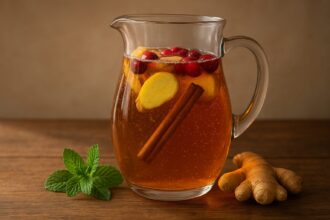
You can easily create simple infusions and broths at home using your pantry staples. Learning How to Prepare Herbs for Medicinal Use at Home can help you master the basics of decoctions and steeping. For example, a simple ginger and red date tea can be made by simmering the sliced ingredients in water for 15 minutes. This creates a warming drink that may help improve your mood and help you feel better, which are benefits associated with good nutrition[1].
Because nutrition is not one-size-fits-all, it is always a good idea to consult with a healthcare provider or a registered dietician before making significant changes to your diet[1]. They can help you tailor these traditional dietary practices to your specific age, health conditions, and wellness goals. This is especially important if you are managing a chronic condition like heart disease or diabetes, where specific nutrient levels must be monitored closely.
Frequently Asked Questions
What are the most essential Chinese ingredients for a beginner's wellness pantry?
A great starting point includes fresh ginger, garlic, and scallions for aromatics. For dried goods, stock up on goji berries, red dates (jujubes), and dried shiitake mushrooms. These items are versatile and can be added to standard soups, teas, or stir-fries to introduce traditional flavors and nutrients without requiring complex recipes. Having these staples on hand makes it easier to choose healthy foods daily [1].
How does traditional Chinese cooking differ from American Chinese restaurant food?
Traditional cooking emphasizes whole foods, seasonal vegetables, and steaming or boiling, whereas American Chinese cuisine was adapted to local tastes, often featuring more deep-frying and heavier use of meat [2]. Traditional meals focus on balancing different food groups to support daily energy and health. While restaurant food can be an occasional treat, traditional home cooking focuses on limiting salt, added sugars, and saturated fats [1].
Can traditional Chinese ingredients help with weight management?
Yes, when used as part of a balanced diet. Choosing nutrient-dense, low-calorie ingredients like lotus root, leafy greens (bok choy), and lean proteins like beans or fish can help you reach and stay at a healthy weight [1]. The high fiber content in many traditional vegetables and fungi also helps you feel full longer, which supports overall weight management goals.
Are there specific safety precautions when using dried Chinese herbs in food?
Always rinse dried ingredients thoroughly before use and rehydrate them as required. It is best to purchase ingredients from reputable sources to ensure quality. If you are pregnant, nursing, or taking medication, talk to a pharmacist or doctor before regularly consuming concentrated herbal tonics to check for potential interactions. While these are foods, their concentrated nature in teas or soups means professional guidance is recommended for those with health conditions [1].
How do I choose high-quality traditional ingredients at a local market?
For fresh produce, look for vibrant colors and firm textures; avoid anything wilted or bruised. For dried goods, ensure the packaging is sealed and the ingredients look clean and consistent in color. High-quality dried mushrooms should have a strong, earthy aroma, while goji berries should be slightly pliable rather than brittle. Fresh, high-quality ingredients ensure you get the vitamins and minerals needed for your body to grow and stay healthy [1].
Sources
This article is general information, not medical advice. Talk to your doctor or another qualified health professional about your own situation, especially before changing medication, diet or exercise.
Source and attribution: www.pinterest.com