Understanding the Potency and Traditional Uses of Cloves
Cloves, the aromatic dried flower buds of the Syzygium aromaticum tree, have served as a cornerstone of herbal wellness for centuries. Originally native to the Maluku Islands, these small but powerful spices were once so highly valued that they drove global trade routes. In modern natural wellness, they are appreciated not just for their intense, warm flavor, but for their concentrated chemical profile. The primary active component in cloves is eugenol, a volatile oil that gives the spice its signature scent and is responsible for many of its traditional applications. Understanding how to handle this potency is key to using cloves effectively in a home setting.
Beyond their chemical makeup, cloves carry a rich history in traditional systems like Ayurveda and Traditional Chinese Medicine, where they are often categorized as a warming herb. This warming quality is believed to help balance internal energies, particularly during cold seasons or when the body feels sluggish. When you look at a clove, you are seeing a dried flower bud that was harvested just before it bloomed. This timing is crucial, as it captures the highest concentration of essential oils. In a wellness context, these oils are the primary reason we use cloves, whether we are brewing a tea for digestion or creating a topical balm for muscle comfort.
Common Cloves Example Preparations for Internal Wellness
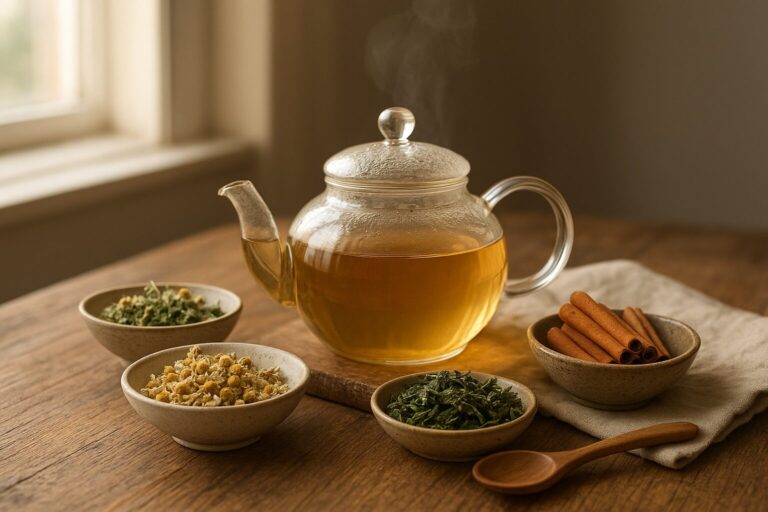
Incorporating cloves into your daily routine often begins with simple infusions. A popular method for supporting digestive comfort is creating a mild clove tea. To do this, you can steep a few whole cloves in hot water for about five to ten minutes. The longer the steeping time, the more intense the flavor and the higher the concentration of released oils. Many practitioners prefer to combine cloves with other warming spices like ginger or cinnamon to balance the sharp, medicinal notes of the eugenol.

For those who find the taste of straight clove tea too intense, a "Golden Milk" variation can be a soothing alternative. By simmering whole cloves in a plant-based milk with turmeric and a touch of black pepper, you create a beverage that focuses on comfort and systemic warmth. The fats in the milk can also help in the absorption of certain herbal compounds. When preparing these drinks, start with just one or two cloves to gauge your sensitivity to the flavor, as the numbing sensation on the tongue can be surprising to newcomers.
Beyond beverages, whole cloves are frequently added to savory broths, stews, and warm grain dishes. When cooking with whole buds, it is helpful to remember that they release their flavor slowly; removing them before serving prevents an overwhelming burst of spice. For a more integrated approach, ground cloves can be mixed into spice blends for oatmeal or smoothies, though the powder loses its volatile oil content faster than the whole buds. If you are looking for more detailed methods, you can explore How to Prepare Cloves for Traditional Wellness and Home Remedies for additional inspiration.
Topical Applications and Oral Care Traditions
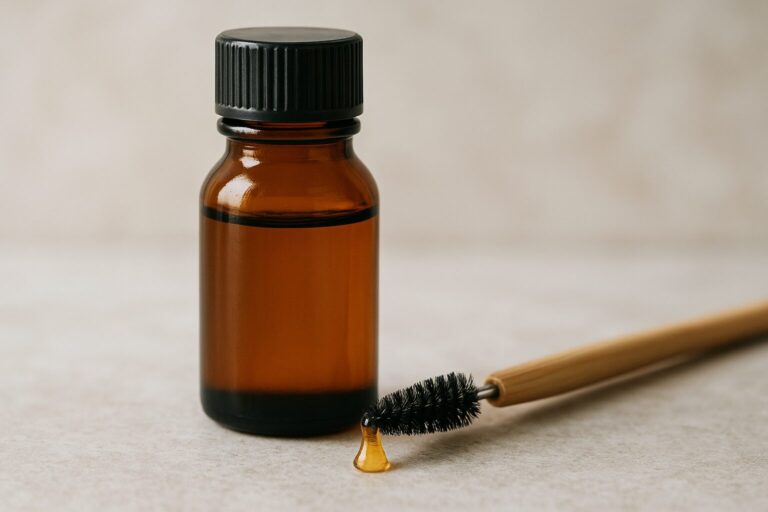
One of the most enduring uses for cloves involves oral care. Traditionally, clove oil has been applied to localized areas of the gums to provide temporary comfort for minor toothaches. This is due to the numbing qualities of eugenol. However, because clove essential oil is incredibly concentrated, it should never be applied directly to the skin or gums without proper dilution. Mixing a drop of clove oil with a teaspoon of a carrier oil, such as coconut or olive oil, helps prevent chemical burns or severe irritation.
Natural Mouth Rinses
For a gentler approach to oral hygiene, a clove-infused water rinse can be prepared by boiling cloves and allowing the liquid to cool completely. This provides a refreshing, aromatic wash that avoids the intensity of pure essential oils. You can also add a pinch of sea salt to this rinse to enhance its cleansing properties. When using any clove preparation topically, it is wise to perform a small patch test on the inside of your wrist first to ensure there is no sensitivity or allergic reaction to the eugenol content.
For external skin applications, clove-infused oils are sometimes used in massage for tired muscles. The warming sensation of the spice is thought to encourage local circulation. To make an infusion at home, place whole cloves in a jar of sweet almond oil and let it sit in a cool, dark place for several weeks, shaking it daily. This results in a much milder product than an essential oil, making it safer for larger areas of the body, though caution is still required for those with sensitive skin.
Cloves for Natural Home Wellness and Fragrance
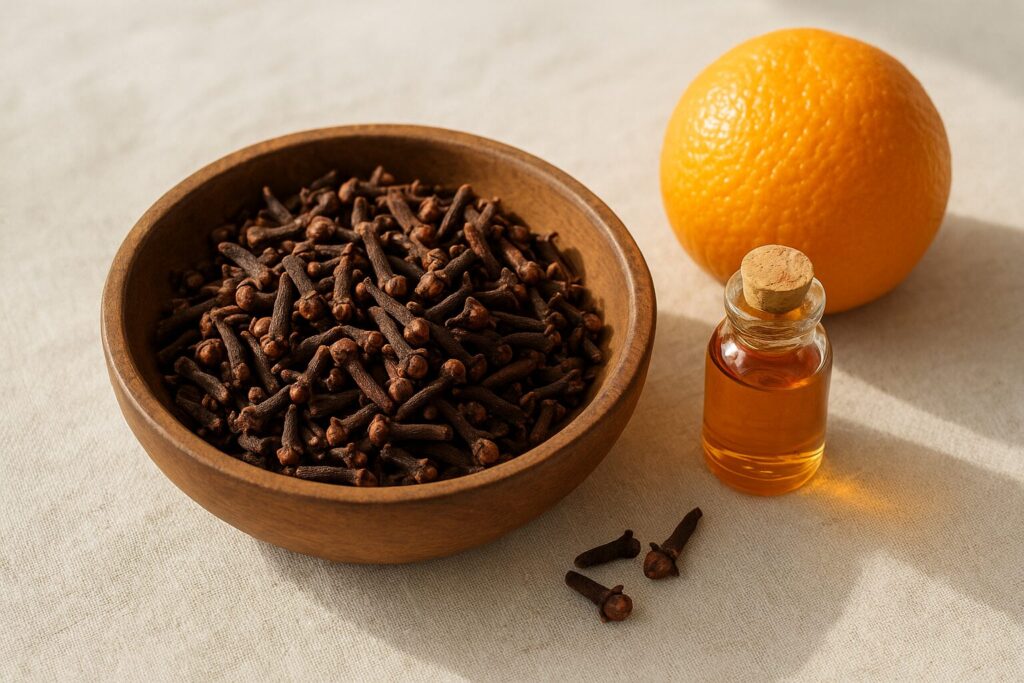
The utility of cloves extends beyond the body and into the atmosphere of the home. Aromatic preparations are a wonderful way to utilize the spice for relaxation and air purification. One classic tradition involves creating pomanders by studding fresh oranges with whole cloves. This not only serves as a beautiful natural decoration but also releases a steady, grounding fragrance that can last for weeks as the fruit dries. You can find specific steps for this in the guide on Oranges and Cloves for Natural Home Wellness and Fragrance.
Simmer pots are another effective way to improve home ambiance. By placing cloves, citrus peels, and cinnamon sticks in a pot of water on the stove over low heat, you can create a natural humidifier that carries a warm, spicy scent throughout the living space. The scent of cloves is often associated with feelings of safety and groundedness, making it an excellent choice for evening wellness rituals or during the colder months when indoor air can feel stagnant. You might also consider adding a few star anise pods to the mix for a deeper, more complex aroma.
For a more modern take on home fragrance, you can create a DIY room spray. Boil a handful of cloves in a cup of water until the liquid turns dark brown. Once cooled, strain the liquid into a spray bottle and add a splash of witch hazel to help the scent linger. This natural alternative to synthetic air fresheners provides a crisp, clean scent that can help neutralize kitchen odors or refresh linens without the use of harsh chemicals.
Safety Considerations and When to Consult a Professional
While cloves are generally safe when used as a culinary spice, concentrated forms require caution. Ingesting undiluted clove essential oil is dangerous and can lead to serious toxicity, including liver damage or fluid imbalance. Furthermore, because cloves may influence blood clotting, individuals scheduled for surgery or those taking blood-thinning medications should be particularly careful and avoid large amounts of clove supplements. It is always best to consult with a healthcare provider or pharmacist before introducing concentrated herbal extracts into your routine.
Pregnant and nursing individuals should also exercise moderation, sticking to standard food amounts rather than therapeutic concentrations. Allergic reactions, though rare, can manifest as skin rashes, swelling, or respiratory distress. If you experience any unusual symptoms after using clove products, discontinue use immediately and seek professional medical advice. Natural remedies are most effective when used as a complement to, not a replacement for, professional medical care.
It is also important to consider the health of pets. Many essential oils, including clove oil, can be toxic to cats and dogs if diffused in high concentrations or applied to their fur. Always ensure your home wellness practices are safe for all members of the household. If you are using cloves for oral health, remember that they do not treat the underlying cause of dental issues; a visit to a dentist is necessary to address cavities or infections properly.
Maximizing the Quality and Storage of Your Cloves
To get the most out of your herbal preparations, start with high-quality cloves. You can test the quality of a whole clove by pressing a fingernail into the stem; a high-quality bud should release a small amount of oil and have a strong, pungent aroma. Visually, they should be a rich reddish-brown color with a plump, lighter-colored head. Shriveled, brittle, or dusty-looking cloves have likely lost their beneficial volatile oils and will offer little wellness value.
Proper storage is essential for preserving potency. Keep your cloves in an airtight glass container away from direct sunlight, heat, and moisture. A dark pantry shelf is ideal. Whole cloves can maintain their strength for about a year under these conditions, whereas ground cloves begin to lose their aromatic properties within a few months. When preparing home remedies, using freshly crushed whole cloves often yields a more potent result than pre-ground powder, as the oils are protected inside the bud until the moment of use.
When buying in bulk, look for organic options to ensure the buds haven't been treated with pesticides that could end up in your teas or tinctures. If you find your cloves have become dull or odorless, they don't necessarily have to go to waste; while they may no longer be suitable for medicinal teas, they can still be used in potpourri or simmer pots where the remaining scent can be extracted through heat. Always label your jars with the date of purchase to keep track of freshness.
Frequently Asked Questions
Can I chew on a whole clove for tooth discomfort?
Chewing on a whole clove is a traditional method for minor, temporary tooth discomfort. As you chew, the clove releases eugenol, which may provide a localized numbing sensation. However, be careful not to keep the clove in one spot for too long, as the concentrated oils can irritate the delicate tissues of the mouth. This should only be a temporary measure until you can see a dentist.
How often can I drink clove tea safely?
For most people, enjoying one to two cups of mild clove tea per day is considered safe. Since cloves are quite potent, it is best to start with a lower concentration—perhaps just one or two buds per cup—to see how your body responds. Overconsumption may lead to digestive upset or interference with certain medications, so moderation is key.
Is clove oil safe to apply directly to the skin?
No, clove essential oil should never be applied directly to the skin undiluted. It is a 'hot' oil that can cause redness, burning, or even contact dermatitis. Always dilute it in a carrier oil, such as fractionated coconut oil or jojoba oil, using a very low ratio (usually just one drop per teaspoon of carrier) before topical application.
Can cloves interact with any common medications?
Cloves contain eugenol, which may slow blood clotting. Consequently, they can interact with anticoagulant or antiplatelet drugs like aspirin or warfarin, potentially increasing the risk of bruising or bleeding. If you are on any regular medication, it is essential to discuss the use of clove supplements or high-dose preparations with your doctor.
Leave a Reply