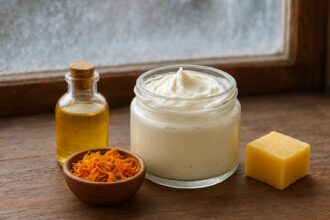
Crafting Botanical Wellness for the Holidays
Handmade herbal gifts offer a personal touch that commercial products often lack, providing a sense of care and intentionality during the busy holiday season. By focusing on botanical wellness, you can create items that are not only beautiful to look at but also useful for daily self-care routines. The foundation of many traditional skincare preparations lies in the combination of dried botanicals and high-quality carrier oils. Selecting organic ingredients is a practical way to ensure that the gifts you share are as pure as possible for topical application. As you begin your crafting journey, remember that the quality of your raw materials directly influences the final experience of the recipient. Using glass containers and sterilized tools further ensures the longevity and safety of your creations.
Selecting the Right Herbs for Different Skin Types
When formulating skincare gifts, it is helpful to consider the specific needs of different skin types, especially during the drying winter months. For those with sensitive or dry skin, soothing herbs like calendula and chamomile are classic choices. These flowers are often used in traditional wellness for their gentle nature. If you are creating products for someone with oilier skin, astringent herbs such as rosemary or witch hazel can be more appropriate choices to help balance the skin's natural oils. You might also consider leaf-based botanicals like plantain, which is often used in traditional balms for its skin-supporting properties.
Versatile Botanicals and Textures
Lavender remains one of the most popular choices for DIY gifts because of its versatile, calming scent and its general compatibility with most skin types. It is always wise to research the specific properties of a plant before including it in a gift formulation. For instance, rose petals provide a subtle scent and a soft texture to bath blends, while dried orange peel offers a brighter, more invigorating aromatic profile. Understanding how a plant behaves topically helps you tailor your gifts to the unique needs of your friends and family, ensuring a thoughtful and safe experience for everyone involved.
Infused Body Oils and Botanical Serums
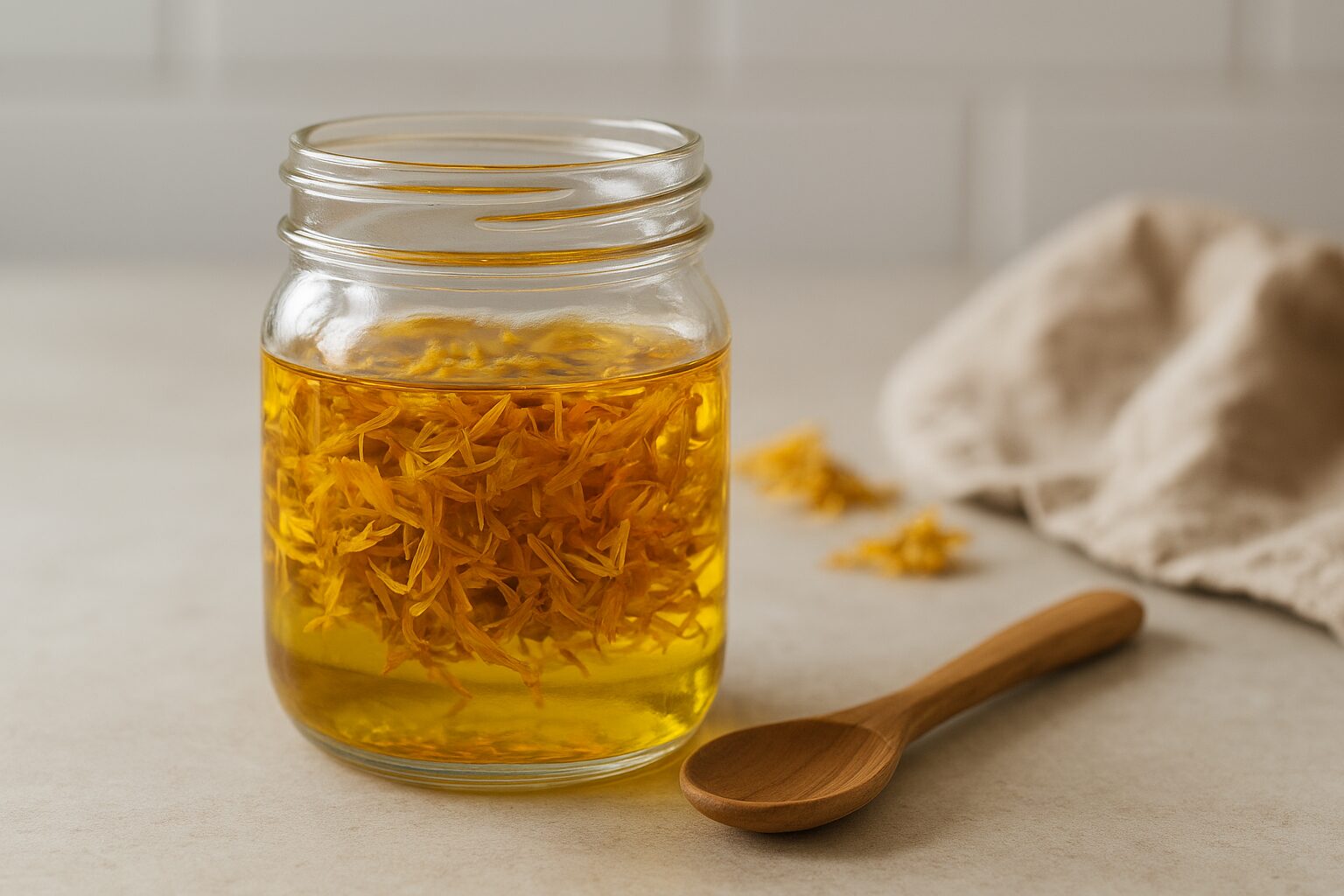
Oil infusions are a cornerstone of Herbal Skincare Recipes for Natural Face and Body Care. There are two primary ways to create these: the solar method and the stovetop method. The solar method involves placing dried herbs in a jar of oil and letting them sit in a sunny spot for several weeks, while the stovetop method uses very low heat to speed up the extraction process over a few hours. Choosing the right carrier oil is essential; jojoba oil is often preferred for facial serums because it closely mimics the skin's natural sebum, whereas sweet almond oil or apricot kernel oil are excellent, lightweight options for body applications. You can also experiment with heavier oils like avocado or olive oil for intensive winter moisture.
The Importance of Dryness
A critical step in this process is ensuring that your herbs are completely dried before they ever touch the oil. Any moisture trapped inside the plant material can lead to mold growth or the development of bacteria, which will ruin your infusion and make it unsafe for use. If you are harvesting from your own garden, hang the herbs in a dark, well-ventilated area until they are brittle to the touch. By keeping your workspace dry and using high-quality oils, you can create shelf-stable serums that feel luxurious on the skin. Once the infusion is complete, strain it through a fine-mesh sieve lined with cheesecloth to remove all plant particles, ensuring a smooth, clear final product.
Creating Aromatic Herbal Face Steams
Herbal face steams are perhaps the most visually striking gifts you can assemble. By layering colorful dried flower petals and herbs in clear glass jars, you create a botanical mosaic that looks stunning on a bathroom vanity. A refreshing blend might include rose petals for their scent, cornflower for a pop of blue, and a hint of peppermint for an invigorating aroma. Other excellent additions include dried lemon balm for its bright scent or calendula for a touch of golden color. These blends are simple to make but provide a spa-like experience at home.
Safe Steaming Practices
To ensure your recipient uses the gift safely, provide clear instructions. According to a general Herbal Face Steam Guide for a Natural Kitchen Glow, the user should place a handful of the blend in a bowl of hot water and drape a towel over their head to catch the steam. It is important to remind them to keep a safe distance from the hot water to avoid steam burns and to limit the session to a few minutes. Advise them to keep their eyes closed during the process and to follow up with a cool water rinse and a light moisturizer to lock in the hydration. This simple ritual is a wonderful way to encourage relaxation during the hectic holidays.
Handcrafted Herbal Salves and Protective Balms
During the cold winter months, skin often becomes cracked and dry, particularly on the knuckles and elbows. Herbal salves provide a protective barrier and deep moisture to these areas. The process involves thickening your previously made herbal-infused oils with beeswax or a plant-based wax like candelilla. A common ratio is roughly one part wax to four parts oil, though you can adjust this to make the balm harder or softer depending on the climate. By gently melting the wax into the oil using a double boiler, you create a portable, solid balm that is easy to apply throughout the day.
Stability and Application
To help preserve the quality of these balms, many crafters add a few drops of vitamin E, which acts as a natural antioxidant to prevent the oils from going rancid. You can also customize these with essential oils like frankincense or lavender for an added aromatic experience. When gifting these items, it is a good practice to advise the recipient to perform a patch test on a small area of skin before widespread use. This is a standard safety measure for any new topical product to ensure there is no sensitivity to the botanical ingredients. For the best results, suggest they apply the salve to damp skin after a shower to help seal in moisture.
Natural Packaging and Thoughtful Presentation
The presentation of your herbal gifts can be just as impactful as the contents. Using eco-friendly materials like amber glass jars, reusable metal tins, and simple cotton twine aligns with the natural theme of your creations. Amber glass is particularly useful for oils and salves as it helps protect the botanical compounds from light degradation, which can weaken the properties of the herbs over time. For a cohesive look, you might incorporate these skincare items into larger Healthy Gift Baskets for Christmas and Natural Wellness Ideas, pairing them with natural loofahs, wooden scoops, or organic cotton washcloths.
Labeling for Safety and Style
Labeling is the most important part of the packaging process. Every label should clearly list all ingredients used, including the specific carrier oils and any essential oils, the date the product was made, and basic instructions for use. This transparency is vital for safety, especially if the recipient has known allergies to nuts (common in carrier oils) or specific plants. A handwritten tag explaining the traditional uses of the herbs included adds a final, educational touch that makes the gift feel truly special. You might also include a "use by" date, typically six months from the date of creation, to ensure the recipient enjoys the product at its peak freshness.
Safety Considerations and Professional Guidance
Safety is paramount when creating products for others to use on their skin. One of the biggest risks in DIY skincare is bacterial growth. Products that contain water, such as lotions or creams, require professional-grade preservatives and specific pH testing to remain safe. For holiday gifting, it is often safer to stick to anhydrous products—those made only of oils, waxes, and dried herbs—which have a much lower risk of contamination. If a friend or family member has a known skin condition like eczema or psoriasis, it is best to suggest they consult a dermatologist or a qualified healthcare professional before trying a new herbal remedy.
Essential Oil Precautions
Additionally, be mindful of essential oil usage. Some essential oils, particularly citrus oils like bergamot or lemon, can cause photosensitivity, making the skin more prone to sunburn. Others may not be suitable for use during pregnancy, for breastfeeding individuals, or for small children. Always use essential oils at a safe dilution rate—generally keeping them to a very small percentage of the total formula—and provide this information clearly on your labels. If a recipient experiences any redness, itching, or irritation, they should stop using the product immediately and speak with a pharmacist or doctor. By following these practical guidelines, you can share the joy of herbal wellness confidently and safely.
Frequently Asked Questions
How long do DIY herbal skincare gifts typically last?
Most oil-based products like salves and body oils last between six months and a year, depending on the freshness of the carrier oils used. Adding vitamin E can help extend this shelf life by slowing down oxidation. It is always best to store these items in a cool, dark place and use clean hands or a clean spatula when applying them to prevent introducing bacteria or moisture into the container.
Can I use fresh herbs from my garden for oil infusions?
It is generally recommended to use dried herbs for oil infusions. Fresh herbs contain a significant amount of water, which can easily lead to the growth of mold or even botulism in the oil. If you want to use garden herbs, harvest them and allow them to dry completely in a well-ventilated area until they are brittle and snap easily before starting your infusion process.
What are the best essential oils for holiday-themed skincare?
For a seasonal scent, many people enjoy using cedarwood, pine, or sweet orange. These oils provide a warm, festive aroma. However, always ensure you are using them at a safe dilution—usually around 1% for leave-on body products—and check for any specific safety warnings. For example, some spice oils like cinnamon or clove can be very irritating to the skin and should be used with extreme caution.
Should I worry about allergic reactions when gifting handmade skincare?
Yes, allergies are always a possibility with botanical ingredients. To minimize risk, always provide a full list of ingredients on the label so the recipient can check for known triggers, such as nut-based carrier oils (like almond oil) or ragweed-related herbs (like chamomile). Suggesting a small patch test on the inner wrist is a practical way for the user to ensure the product is compatible with their skin.
How do I keep my DIY products from going rancid?
Rancidity is caused by exposure to heat, light, and oxygen. To keep your products fresh, use amber or cobalt glass containers that block UV light, keep the lids tightly sealed when not in use, and store them away from direct sunlight or radiators. Using high-quality, fresh carrier oils from the start is also essential; if an oil smells "off" or like old crayons, it has likely oxidized and should not be used.
This article is general information, not medical advice. Talk to your doctor or another qualified health professional about your own situation, especially before changing medication, diet or exercise.
Source and attribution: www.pinterest.com