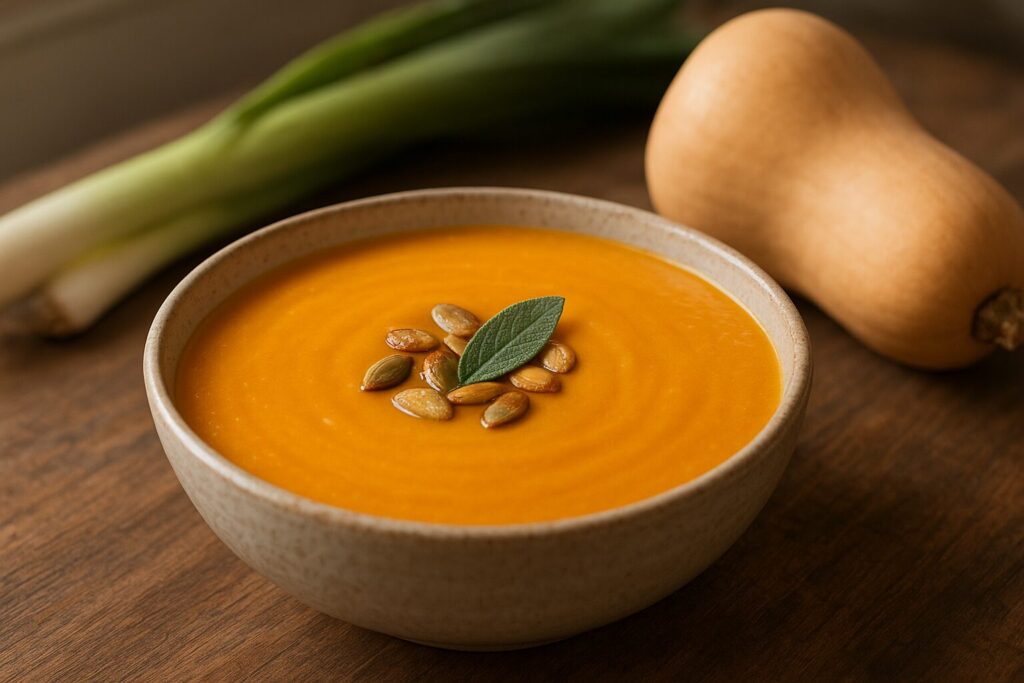
The Appeal of a Classic Roasted Butternut Squash Soup
When the air turns crisp and the days grow shorter, the body naturally craves warmth and nourishment. A classic roasted butternut squash soup, inspired by the elegant yet simple approach of Ina Garten, serves as a cornerstone for seasonal wellness. This style of cooking emphasizes high-quality, whole-food ingredients that provide deep satisfaction without the need for heavy fillers. By focusing on the natural sweetness of winter squash and the aromatic depth of fresh vegetables, you create a meal that is both a culinary delight and a supportive addition to a balanced, health-conscious lifestyle. This preparation method is celebrated for its ability to transform humble garden staples into a refined, restorative dish that honors the traditions of herbal wellness and mindful eating.
Nutritional Profile of Butternut Squash and Seasonal Vegetables
Butternut squash is a nutritional powerhouse, widely recognized for its high content of beta-carotene, which the body converts into vitamin A. This essential nutrient is vital for maintaining healthy skin and supporting the immune system during the colder months. Additionally, this vibrant squash is a reliable source of vitamin C and dietary fiber. Fiber plays a crucial role in digestive health, helping to maintain a feeling of fullness and supporting a steady release of energy throughout the day. When selecting squash, the deeper the orange hue of the flesh, the more concentrated these beneficial pigments tend to be.
The Role of Aromatics and Fruits
Beyond the squash itself, the inclusion of secondary ingredients like onions, leeks, and apples significantly boosts the antioxidant profile of the dish. Onions and leeks contain sulfur-based compounds that are traditionally valued for their wellness-supporting properties. When you combine these with the pectin and polyphenols found in tart apples, you create a complex nutritional foundation that supports overall vitality. Using fresh, seasonal produce ensures that you are receiving the highest density of these beneficial compounds in every spoonful. The inclusion of these aromatics also aids in the absorption of fat-soluble vitamins when paired with the healthy fats used during the roasting process.
Furthermore, the synergy between these ingredients creates a balanced glycemic response. While squash and apples contain natural sugars, the fiber content helps modulate how the body processes them. This makes the soup an excellent choice for those seeking to maintain stable energy levels without the spikes often associated with processed convenience foods.
Core Ingredients for an Authentic Flavor Profile
Achieving a sophisticated flavor requires starting with the best possible materials. When selecting a butternut squash, look for one that feels heavy for its size with a matte, unblemished skin. A shiny skin can sometimes indicate that the squash was picked too early and may not be as sweet. For the savory base, yellow onions and leeks are the preferred aromatics. Leeks, in particular, offer a mild, onion-like sweetness that complements the earthy tones of the squash perfectly. It is important to clean leeks thoroughly, as soil often hides between the tight layers of the white and light green parts.
Essential Pantry and Produce Additions
- Granny Smith Apples: These provide a necessary acidity to cut through the richness of the roasted vegetables. Their tartness balances the earthy sweetness of the squash.
- High-Quality Stock: Whether you choose a clear vegetable broth or a traditional chicken stock, ensure it is low in sodium to allow the natural flavors to shine. Homemade stock is often preferred for its gelatinous texture and mineral content.
- Fresh Herbs: Sage and thyme are the traditional companions for winter squash, adding an earthy aroma that defines this classic recipe. Dried herbs can be used in a pinch, but fresh leaves provide a brighter, more complex volatile oil profile.
- Good Olive Oil: Since roasting is a central step, using a stable, high-quality extra virgin olive oil ensures the vegetables are coated in healthy monounsaturated fats that withstand the oven's heat.
If you are looking for a light accompaniment to this hearty soup, consider serving it alongside a Healthy Garlic Bread Recipe Using Fresh Garlic for a comforting, plant-forward meal.
The Roasting Technique: Maximizing Natural Sweetness
The secret to the depth of flavor in an Ina Garten-style soup lies in the roasting process. While boiling vegetables is faster, roasting allows the natural sugars within the squash and onions to caramelize. This chemical reaction, known as the Maillard reaction, creates a rich, complex sweetness that boiling simply cannot replicate. Because the roasting process intensifies the inherent flavors, there is often no need to add processed sugars or heavy sweeteners to the final dish. This method also helps reduce the water content of the vegetables, concentrating their nutritional density.
Tips for Perfect Roasting
To ensure even cooking, it is vital to dice the squash into uniform cubes, typically around one inch in size. Pieces that are too small may char before the larger pieces are tender, leading to a bitter aftertaste. Tossing the vegetables in a light coating of olive oil and a pinch of salt before spreading them in a single layer on a baking sheet helps facilitate even heat distribution. If the pan is overcrowded, the vegetables will steam rather than roast, preventing the development of that signature golden-brown crust.
Watch for the edges of the squash to become slightly translucent and the corners to turn a deep amber. This is the visual cue that the sugars have transformed. For the apples and onions, they should be soft enough to crush with the back of a spoon. If you notice the onions browning too quickly, you can move them toward the center of the tray where the heat is slightly less intense. This careful attention to the roasting stage is what separates a standard vegetable soup from a gourmet experience.
Herbal Enhancements and Wellness Twists
In the realm of natural wellness, herbs are used not just for flavor but for their traditional digestive benefits. Fresh sage and thyme are excellent additions to butternut squash soup; they contain volatile oils that have been used traditionally to support digestion and ease the processing of heavier winter meals. For those looking to add a warming element, a small amount of curry powder or freshly grated nutmeg can be stirred in. These spices are often associated with supporting metabolic health and providing a comforting, internal warmth that radiates through the body.
Plant-Based Creamy Alternatives
For readers who prefer to avoid dairy, the traditional addition of heavy cream can be easily swapped for heart-healthy alternatives. Full-fat coconut milk provides a similar silky texture with a subtle tropical note, while blended soaked cashews offer a neutral, creamy base that is rich in healthy fats and minerals. To make cashew cream, simply soak raw cashews in water for a few hours, then blend with a small amount of fresh water until completely smooth. These plant-based swaps make the soup accessible to a wider range of dietary needs without sacrificing the luxurious mouthfeel that makes this recipe a favorite.
For more warming liquid nourishment, you might also explore a Traditional Chinese Chicken Herbal Soup for Winter Wellness during the peak of the cold season. Adding a pinch of sea salt at the end of the cooking process can also help highlight the herbal notes, but be careful not to over-salt, as the roasted vegetables carry a significant amount of natural savory flavor.
Step-by-Step Preparation for the Perfect Texture
Once the vegetables are roasted to a tender, golden-brown state, the next step is achieving a velvety consistency. This transition from solid to liquid is where the "Garten" style truly shines. Blending the roasted squash, apples, and onions with warm stock is best done in batches to prevent steam pressure from building up in the blender. Always start the blender on the lowest speed and gradually increase it to ensure every fiber is broken down into a smooth puree.

Refining the Consistency
Using a high-speed blender will result in the smoothest texture, while an immersion blender allows for a slightly more rustic, thicker finish depending on your preference. If you prefer a completely refined soup, passing the mixture through a food mill or a fine-mesh sieve can remove any remaining fibers from the leeks or squash skins. As the soup simmers on the stove after blending, it is the ideal time to adjust the seasoning. Start with small amounts of sea salt and freshly cracked black pepper.
If the soup feels too thick, gradually add more warm stock until the desired consistency is reached. It should coat the back of a spoon without feeling heavy or sludge-like. If it becomes too thin, a few extra minutes of simmering will allow some of the liquid to evaporate, thickening the base naturally. This controlled approach ensures the flavors remain balanced and the texture remains light yet satisfying. Remember that the soup will continue to thicken slightly as it cools, so aim for a slightly thinner consistency than your final desired result while it is still on the heat.
Serving Suggestions and Healthy Pairings
Presentation and garnishing are the final steps in creating a wellness-focused meal that appeals to all the senses. Toasted pumpkin seeds, also known as pepitas, make an excellent garnish. They add a necessary crunch to the smooth soup and are a great source of plant-based protein and zinc. A small drizzle of extra virgin olive oil or a sprinkle of fresh microgreens can also add a burst of color and additional phytonutrients to the bowl. For those who enjoy a bit of contrast, a dollop of Greek yogurt or silken tofu cream can provide a cool, tangy counterpoint to the warm, sweet squash.
Storage and Meal Planning
This soup is an excellent candidate for meal prepping. Because the flavors are complex, they often meld and improve after a day in the refrigerator. When reheating, do so gently on the stovetop over medium-low heat to maintain the vibrant color and delicate aroma of the herbs. Avoid boiling the soup vigorously once the cream or milk has been added, as this can cause the texture to break or separate.
For long-term storage, this soup freezes exceptionally well in airtight containers, providing a quick and healthy option for busy weeknights when you need a dose of home-cooked comfort. Ensure the soup has cooled completely to room temperature before sealing and freezing to prevent ice crystals from forming. When you are ready to enjoy it again, thawing it slowly in the refrigerator preserves the structural integrity of the vegetable puree, ensuring the same silky experience as the day it was made.
Frequently Asked Questions
Can I make this soup vegan without losing the creamy texture?
Yes, you can easily achieve a creamy consistency by replacing heavy cream with full-fat coconut milk or a homemade cashew cream. Additionally, using a high-quality vegetable stock instead of chicken stock ensures the soup remains entirely plant-based while maintaining its rich, savory depth. The natural starches in the butternut squash also contribute significantly to the creaminess when blended thoroughly.
Is it better to peel the butternut squash before or after roasting?
For this specific recipe style, it is generally easier to peel and cube the squash before roasting. This allows more surface area for caramelization, which is key to the flavor profile. However, if you find peeling difficult, you can roast halves face-down and scoop the flesh out, though you may lose some of that roasted, golden-brown edge flavor that comes from individual cubes.
How long can I store butternut squash soup in the freezer?
Butternut squash soup can be stored in an airtight container in the freezer for up to three months. To maintain the best quality, leave a little space at the top of the container for expansion and thaw it in the refrigerator overnight before reheating gently on the stove. Stirring well during reheating will help restore the original smooth texture.
What are the best herbs to add if I want to support my immune system?
While sage and thyme are classic choices for flavor, adding fresh ginger or a hint of turmeric can provide additional wellness support. These roots are traditionally used for their antioxidant properties, making them excellent additions during the winter months. Always consult with a healthcare professional before significantly increasing your intake of specific medicinal herbs if you are on medication.
Can I use frozen butternut squash for this recipe?
While fresh squash is preferred for the best texture and flavor, frozen pre-cut squash can be used in a pinch. You should still roast it from frozen or slightly thawed to encourage some caramelization, though it may release more water than fresh squash. Adjust your roasting time accordingly and ensure the pieces are spread out to avoid steaming.
Source and attribution: www.pinterest.com

Leave a Reply