Embracing Practical Wellness in a Busy World
Maintaining a healthy lifestyle often feels like a daunting task when modern media presents an idealized version of wellness. For most people, the goal isn't to achieve a perfect, luxury-level aesthetic, but to find sustainable ways to nourish the body amidst a standard family schedule. Embracing practical wellness means moving away from unattainable standards and focusing on the foundation of health: whole foods and accessible herbs. By integrating these elements into everyday routines, it becomes possible to support long-term vitality without needing excessive time or high-end resources. This approach focuses on the reality of the household, ensuring that wellness feels like a natural extension of your day rather than an added burden or a performance for others.
Finding Balance Between Luxury and Reality
The contrast between high-end living and the realities of daily life is a frequent theme in modern entertainment. For instance, the series 'Wife Swap: The Real Housewives Edition,' which features cast members like Melissa Gorga and Emily Simpson, highlights the dramatic differences in everyday familial experiences and comforts[1]. While television often focuses on these extreme lifestyle swaps, true wellness is found in the middle ground. It is not about having a professional-grade kitchen or a personal chef, but about the consistent, simple choices made in a typical home. The show, which premiered on October 21, 2025, underscores how different families navigate their unique environments[1].
Instead of comparing your kitchen or habits to those seen on Bravo, focus on your own everyday comforts[1]. Real-life health thrives on stability and practicality rather than the fleeting glamour of luxury. By shifting the focus to what is manageable within your own household, you can build a nutritional foundation that lasts far longer than a television season. Practicality involves looking at your pantry and seeing tools for health rather than just ingredients for a meal. When we stop chasing the 'Real Housewife' aesthetic, we find room for the 'Real Life' wellness that actually sustains us through stressful work weeks and family obligations.
The Foundation of Everyday Herbal Nutrition
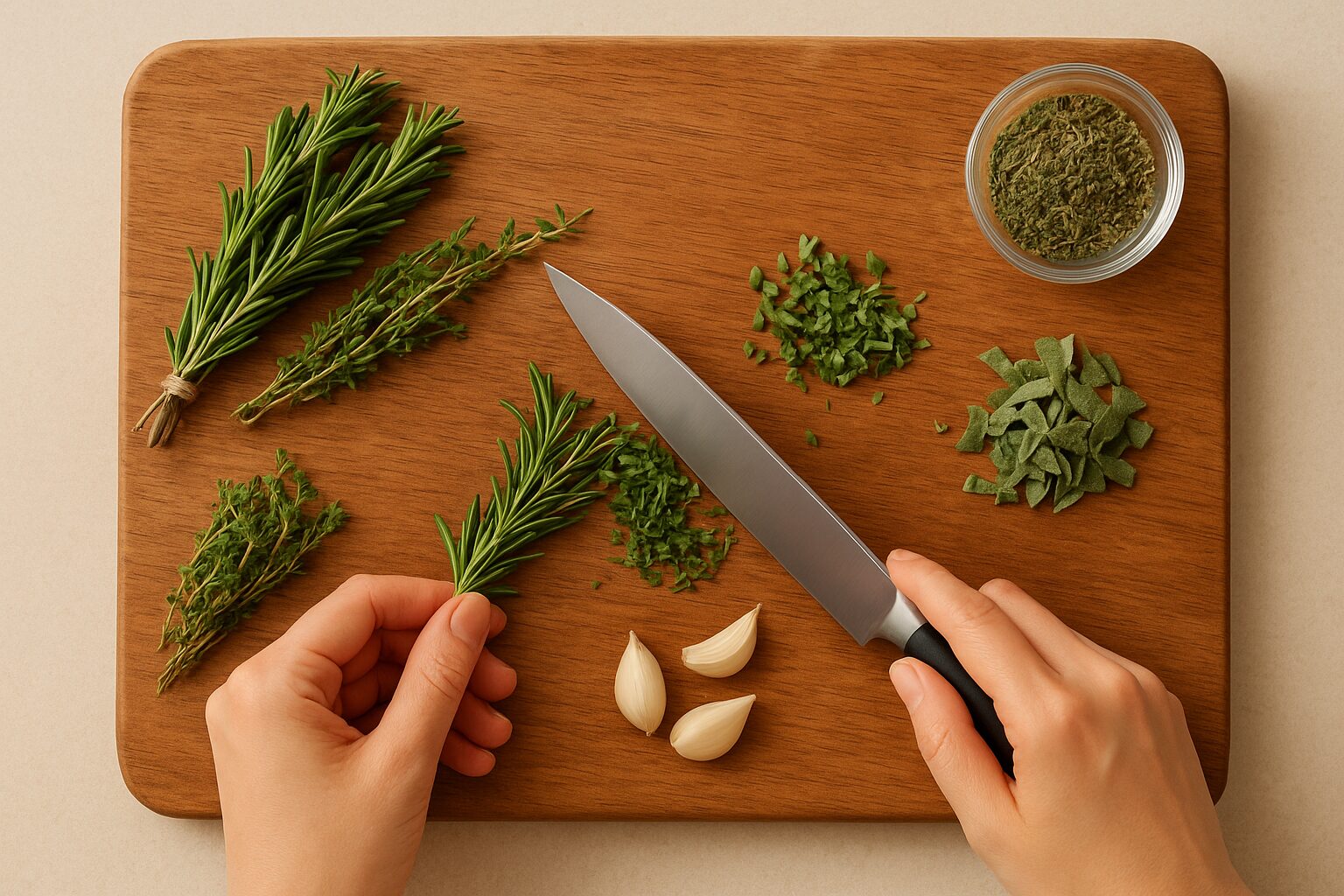
Culinary herbs are more than just flavor enhancers; they are accessible tools for supporting daily wellness. Common garden staples like rosemary, thyme, and oregano can be easily integrated into almost any meal. These plants contain various phytochemicals that contribute to a balanced diet. Using fresh herbs often provides a brighter flavor profile, while dried herbs are concentrated and convenient for quick weeknight cooking. When using dried versions, remember that their potency is higher, so a smaller amount is typically needed compared to fresh sprigs. A general rule is to use one teaspoon of dried herbs for every tablespoon of fresh herbs requested in a recipe.
Incorporating anti-inflammatory ingredients like turmeric or ginger into standard meals is a simple way to boost the nutritional value of your plate. For those looking to expand their knowledge of botanical support, exploring practical herbal remedies that actually work for everyday health can provide a bridge between basic cooking and a more intentional home apothecary. The key is consistency, adding small amounts of these beneficial plants to soups, stews, and roasted vegetables regularly. Consider starting with a 'daily sprinkle' habit—adding a pinch of ground flax or hemp seeds along with your favorite herbs to every savory dish you prepare.
Beyond the kitchen, herbs like peppermint and lemon balm can be grown on a windowsill, providing a fresh source of tea leaves that require little more than water and sunlight. This accessibility is the cornerstone of real-life recipes; if it is within reach, it is more likely to be used. Developing a relationship with these plants transforms them from mere seasonings into active participants in your family's health journey.
Simple Preparation Methods for Natural Wellness
How you prepare your food is just as important as the ingredients themselves. Methods like slow-cooking and steaming are excellent for preserving the delicate nutrients found in plants. Steaming, in particular, helps maintain the vibrant colors and vitamin content of vegetables without the need for heavy oils. For those interested in deeper tradition, looking into Traditional Chinese Herbal Medicine Recipes and Preparation Methods can offer insights into how specific temperatures and durations affect the properties of botanical ingredients. For example, some roots require long decoctions to release their beneficial compounds, while delicate leaves are best as quick infusions.
Time-Saving Kitchen Strategies
- Batch-Prepping Infusions: Prepare large quantities of herbal teas or base infusions that can be stored in the refrigerator for a few days. These can be used as a base for smoothies or simply enjoyed chilled.
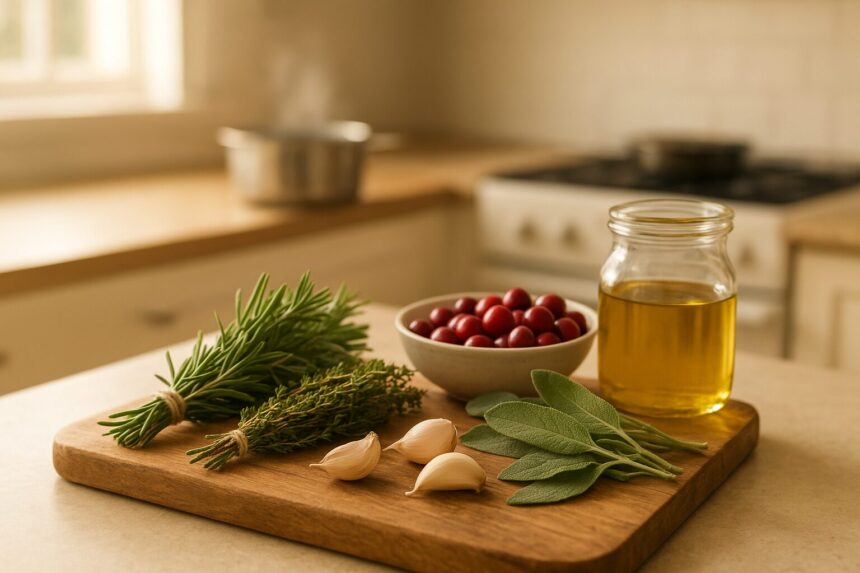
- Herb-Infused Oils: Create simple oils with garlic or rosemary to add instant flavor and wellness benefits to quick sautés. Store these in dark glass bottles away from heat to maintain their integrity.
- Pre-Chopped Aromatics: Spending one hour on the weekend chopping onions, celery, and carrots can significantly reduce stress during the work week. Store them in airtight containers to keep them crisp.
- Sheet Pan Roasting: Toss a variety of seasonal vegetables with olive oil, sea salt, and dried thyme. Roasting at a moderate temperature allows the natural sugars to caramelize while keeping active cooking time to a minimum.
By mastering these basic techniques, you reduce the mental energy required to eat well. When the prep work is already done, you are less likely to rely on processed convenience foods that often lack the nutritional density of home-cooked meals. Real-life recipes aren't about complexity; they are about efficiency and the intelligent use of time.
Seasonal Eating and Mindful Ingredients
Eating in harmony with the seasons supports the body's natural rhythms and often ensures you are getting the freshest produce available. During the colder months, focusing on hardy root vegetables and winter berries can provide the specific nutrients the body craves in lower temperatures. For example, using berries in your cooking can be both festive and nutritious; you might look at Best Cranberry Dessert Recipes for Christmas Using Fresh and Dried Berries for ideas on how to use these tart fruits in a balanced way. Cranberries, for instance, are high in vitamin C and antioxidants, making them a perfect addition to winter salads or morning oatmeal.
Mindful ingredient selection also involves sourcing local and organic options when they are accessible. This practice can help reduce exposure to synthetic pesticides and supports local ecosystems. Even if a fully organic pantry isn't within reach, focusing on the "dirty dozen" or choosing local farmer's markets for seasonal staples can make a meaningful difference in the quality of your everyday recipes. Another strategy is to embrace the 'Second Image' approach in your cooking: focus on a main whole-food ingredient, then use a secondary, nutrient-dense herb or spice to elevate it.
Spring invites lighter fare like bitter greens and sprouts, which traditionally help the body transition after a winter of heavier foods. Summer brings an abundance of hydrating fruits like watermelon and cucumbers, which are excellent for maintaining fluid balance during heat. By rotating your diet based on what is growing locally, you naturally diversify your nutrient intake without having to follow a strict or complicated dietary plan. This connection to the land, even if it's just through a local grocery store's seasonal aisle, grounds your wellness practice in the natural world.
Integrating Wellness into Family Routines
One of the biggest hurdles in real-life wellness is managing the diverse tastes and busy schedules of a family. Making the kitchen a collaborative space can help bridge this gap. Involving children in simple tasks, such as washing herbs or stirring a pot, fosters a healthy relationship with food from a young age. During high-stress times, such as the holidays, you might even look for Christmas mental health activities for kids to stay calm and happy to ensure that the kitchen remains a place of connection rather than chaos. When children help prepare a meal, they are statistically more likely to try the ingredients they helped handle.
To maintain a healthy environment when schedules are packed, keep the pantry stocked with "emergency" staples like lentils, brown rice, and canned tomatoes. These allow for the quick assembly of a nourishing meal even when there is no time for a grocery run. A simple meal of red lentils seasoned with turmeric and cumin can be prepared in under twenty minutes and provides a wealth of fiber and plant-based protein. The goal is to make the healthy choice the easiest choice for every family member by removing the barriers of time and complexity.
Consider establishing 'theme nights' that incorporate wellness principles, such as a 'Taco Tuesday' featuring a variety of fresh salsas made with cilantro and lime, or a 'Soup Sunday' where the family clears out the vegetable drawer to make a nutrient-rich broth. These routines create predictability, which is a powerful tool for maintaining healthy habits long-term. When wellness becomes a routine rather than a chore, it ceases to feel like work and starts to feel like a lifestyle.
Navigating Challenges and Professional Guidance
Life is unpredictable, and even the most well-planned wellness routines can face disruptions. External stressors or sudden changes in health can impact your ability to stick to a specific protocol. Even public figures experience these shifts; for example, Bravo had to reschedule episodes of their 'Wife Swap' spin-off featuring Wendy Osefo due to legal complications[1]. Just as media schedules must adapt to real-world events, your wellness journey should be flexible enough to accommodate life's ups and downs. If you miss a few days of your herbal routine or rely on takeout during a particularly hard week, the most important thing is to return to your foundation without guilt.
It is essential to remember that while herbal recipes and whole foods support general health, they are not a substitute for professional medical care. If you are considering significant dietary shifts or starting new herbal protocols, consult a doctor or a certified nutritionist. This is especially important if you are pregnant, nursing, or taking prescribed medications, as certain herbs can interact with medical treatments. For example, common herbs like St. John's Wort or even high doses of garlic can interfere with specific pharmaceuticals.
Furthermore, if you experience persistent symptoms like chronic fatigue, unexplained pain, or digestive distress, these should be evaluated by a healthcare professional rather than managed solely through home remedies. A professional can provide the necessary diagnostics to ensure that your wellness efforts are supporting your body's specific needs. Real-life wellness is about knowing when to handle things at home and when to seek the expertise of a specialist. By combining the wisdom of traditional herbal practices with modern medical guidance, you create a comprehensive safety net for your family's health.
Frequently Asked Questions
How can I start using herbs if I have a very busy schedule?
The easiest way to start is by using culinary herbs you already enjoy, like basil or parsley. Keep dried versions in your pantry for quick seasoning, or buy pre-washed fresh herbs to toss into salads and soups. Batch-prepping a simple herbal tea at night to drink the next day is another low-effort way to integrate botanicals into a packed routine. You can also use herb-infused salts to add flavor and minerals with a single pinch.
Are dried herbs as effective as fresh herbs for daily health support?
Yes, dried herbs are highly effective and often more concentrated than fresh ones. While some volatile oils are lost during the drying process, many beneficial compounds remain stable. They are an excellent, budget-friendly option for long-term storage and provide a consistent way to add antioxidants and minerals to your everyday meals. Just ensure you store them in a cool, dark place to preserve their potency for as long as possible.
How do I balance luxury ingredients with a realistic budget?
Focus your budget on staples that offer the most nutritional value, such as beans, whole grains, and seasonal produce. You don't need expensive 'superfood' powders to be healthy. Traditional herbs like garlic, ginger, and rosemary are affordable and offer significant benefits. Buying in bulk and choosing frozen vegetables can also help keep costs down while maintaining quality. Remember that the most expensive ingredient is the one that goes to waste, so plan meals around what you already have.
When should I seek professional advice regarding my herbal recipes?
Always consult a healthcare professional before using herbs for therapeutic purposes, especially if you have an underlying health condition. If you notice any adverse reactions or if you are planning to replace a part of your diet with concentrated herbal preparations, a doctor or registered dietitian can provide personalized safety guidance. It is also vital to speak with a pharmacist if you are taking any prescription drugs to check for potential herb-drug interactions.
Can everyday recipes help with stress management?
Preparing home-cooked meals can be a mindful activity that helps lower stress levels by providing a sense of control and accomplishment. Ingredients like oats, chamomile, and leafy greens are often associated with supporting the nervous system. By focusing on whole foods and reducing processed sugar, you can help stabilize your energy levels, which contributes to a more resilient response to daily stressors. The act of chopping vegetables or stirring a pot can also serve as a form of active meditation.
Sources
This article is general information, not medical advice. Talk to your doctor or another qualified health professional about your own situation, especially before changing medication, diet or exercise.
Source and attribution: www.pinterest.com