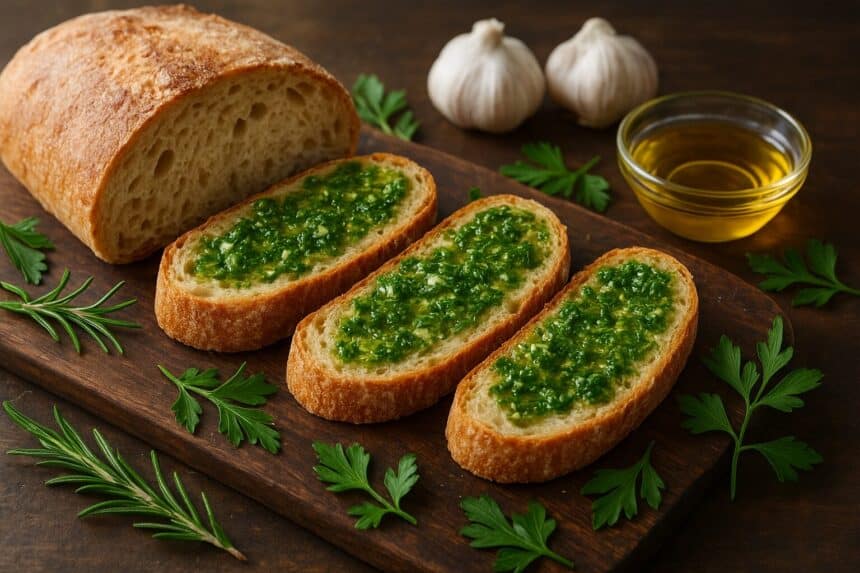
Elevating Your Dinner with Herbal Garlic Bread
Garlic bread is a beloved staple on dinner tables across the country, but it often relies on processed spreads and refined flours that offer little nutritional value. By shifting the focus toward fresh herbs and high-quality natural oils, you can transform this simple side into a functional food that supports wellness. Using real, crushed garlic and aromatic plants like rosemary or parsley provides a depth of flavor that store-bought versions simply cannot match. This approach emphasizes the use of raw oils and fresh botanicals to preserve their delicate compounds, making your evening meal both more aromatic and more mindful of natural health principles.
The Foundation: Choosing the Best Bread Bases
The character of your garlic bread begins with the base. While sourdough and whole grain loaves are popular for their robust texture, quick breads offer a unique alternative for a faster preparation. In the United States and Canada, a biscuit is a specific variety of quick bread characterized by a firm, dry exterior and a soft, moist, crumbly interior[1]. Unlike yeast-leavened breads, these are typically made with baking powder or soda for prompt eating[1]. This makes them an excellent choice for a last-minute dinner side where you want the garlic and herbs to soak into a tender crumb.
When choosing between a biscuit-style base and a scone-style base, the fat content is the primary differentiator. Biscuits are traditionally made with a solid fat, such as butter, and contain more fat and less liquid than scones[1]. Scones often incorporate liquid cream and eggs, leading to a denser, crumblier texture[1]. Understanding these foundations is helpful when planning your meal; for instance, the history of biscuits traces back to hardtack, which was originally a simple mixture of flour and water before leavening agents and fats were added to improve the texture[1]. Selecting a hearty, minimally processed bread ensures your herbal infusions have a sturdy canvas that won't become soggy under the weight of the garlic oil.
Infusing Natural Oils and Healthy Fats
To move away from hydrogenated fats or margarine, consider using extra virgin olive oil. This oil is a cornerstone of heart-healthy diets and provides a fruity, peppery base for garlic infusions. For those who prefer a traditional flavor, grass-fed butter remains a staple in herbal wellness kitchens, offering a rich source of fat-soluble nutrients. If you require an oil with a higher smoke point for crispier textures, avocado oil serves as an excellent neutral alternative that won't overwhelm the delicate scent of fresh herbs.
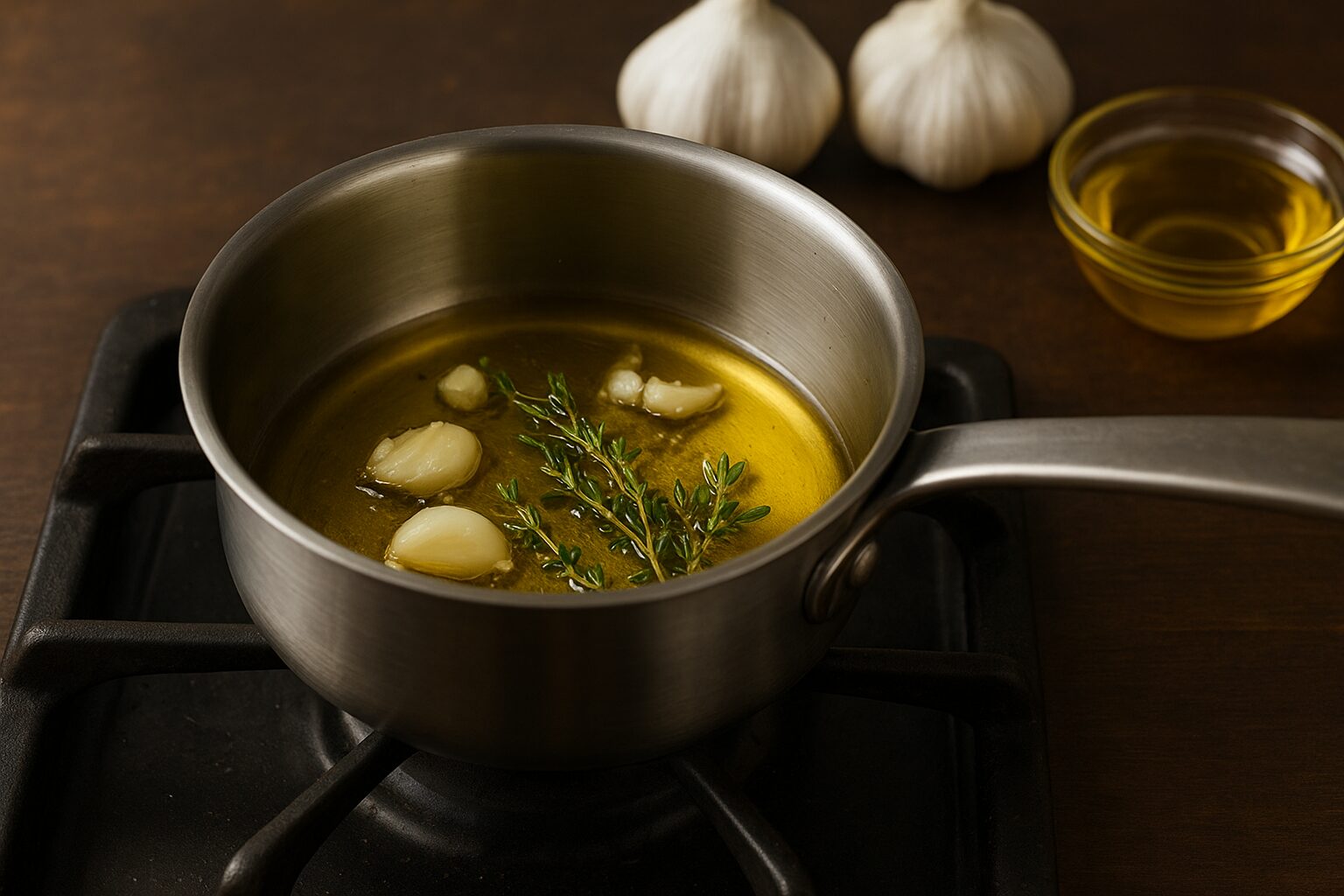
The key to a successful infusion is temperature control. Many of the beneficial compounds in fresh herbs and cold-pressed oils are sensitive to heat. Rather than sautéing garlic at high temperatures, try gently warming your oil or butter on low heat just until the garlic becomes fragrant. This preserves the integrity of the oils. For a raw application, you can whisk minced herbs directly into room-temperature oil and brush it onto the bread just before a brief toast in the oven. This method ensures the flavors remain vibrant and the fats remain stable. You might also consider a cold-infusion technique: let the minced garlic and herbs sit in the oil for several hours at room temperature to allow the flavors to meld without any heat at all.
Fresh Herb Pairings for Aromatic Depth
Adding fresh herbs is the most effective way to elevate the profile of your garlic bread. The most traditional pairing is flat-leaf parsley, which not only adds a bright green color but is also traditionally used to help freshen breath after consuming raw garlic. For a more woody and earthy aroma, rosemary and thyme are excellent choices. These herbs are often noted in herbalism for their antimicrobial properties and stand up well to the heat of the oven.
Mediterranean and Garden Variations
- Basil and Oregano: Perfect for Italian-inspired dinners, these herbs add a sweet and savory Mediterranean flair. Use about two parts basil to one part oregano for a balanced profile.
- Sage: A more medicinal-tasting herb that pairs beautifully with sourdough and autumn stews. Use it sparingly as its flavor is quite potent.
- Chives and Scallions: Provides a mild onion-like note that complements the sharpness of the garlic. These are best added just before serving to maintain their bright color.
- Dill: An unconventional but refreshing choice, especially if the garlic bread is being served alongside seafood or lemon-based pasta dishes.
To prevent your herbs from burning and turning bitter, mince them finely and fold them into your oil or butter. Ensuring they are well-coated in fat helps protect the delicate leaves from the direct dry heat of the oven, allowing them to release their essential oils into the bread rather than charring. If you are using very delicate herbs like basil, consider adding them halfway through the baking process or as a fresh garnish once the bread comes out of the oven.
Garlic Preparation for Maximum Wellness Benefit
How you handle the garlic itself determines the nutritional quality of the bread. In wellness circles, it is widely recommended to crush or mince fresh garlic and let it sit for about ten minutes before heating. This allows the enzymatic reaction that creates beneficial sulfur compounds to fully occur. If you find the bite of raw garlic too intense, roasted garlic offers a mellow, sweet alternative that spreads like cream over a warm crust. To roast garlic, simply cut the top off a whole bulb, drizzle with olive oil, and bake until the cloves are soft and golden.
For those interested in a broader wellness approach, garlic can be combined with other staples. You might consider The Natural Blend: Ginger, Onion, Garlic, Lemon, and Honey for Wellness as inspiration for your seasonings. Adding a hint of grated ginger or finely diced onion to your garlic spread can create a complex flavor profile that supports the body's natural defenses. Historically, garlic has been a cornerstone of home care; for those curious about its traditional applications beyond the kitchen, exploring Garlic for Intestinal Parasites: What Science Says About Its Effectiveness can provide further context on why this bulb is so highly regarded in various herbal traditions.
Creative Variations for Family Dinners
Garlic bread doesn't have to be a standard loaf. You can create a sea salt and rosemary focaccia by dimpling the dough and filling the pockets with garlic-infused olive oil. For a dairy-free family dinner, try a topping of nutritional yeast mixed with toasted, crushed walnuts; this provides a cheesy, nutty flavor and a satisfying crunch without the use of processed cheese products. Another option is to use a base of sweet potato slices or Portobello mushroom caps for a grain-free alternative that still delivers that classic garlic and herb aroma.
Stuffed garlic bread is another way to incorporate more herbs. By slicing a loaf crosswise and tucking a paste of garlic, sage, and grass-fed butter into the crevices, you ensure that every bite is saturated with flavor. Serving these herbal breads alongside warm soups or vegetable stews can also aid in the enjoyment of the meal, as the aromatic oils help stimulate the senses. If you have leftovers, the aromatic qualities of the garlic remain noticeable; some people enjoy the lingering scent in the kitchen, while others might look into The Ancient Practice of Burning Garlic: Transform Your Home in 15 Minutes to refresh the air after a heavy cooking session. You can also repurpose leftover garlic bread into homemade croutons for a salad the following day.
Safe Handling and Preparation Tips
To achieve the best results, avoid over-browning the garlic. Burnt garlic loses its health-promoting properties and develops a harsh, bitter taste that can ruin the bread. If you are preparing herb-infused oils in advance, they should be stored in the refrigerator and used promptly to prevent spoilage or the growth of unwanted bacteria. Freshness is paramount when working with raw plant materials. When using fresh garlic, look for bulbs that are firm and have tight, papery skins; avoid any that have green sprouts, as these can be more bitter.
While garlic is a wonderful addition to most diets, some individuals with specific digestive sensitivities, such as those sensitive to FODMAPs or alliums, may experience discomfort. If you have persistent digestive issues or are on blood-thinning medication, it is wise to consult a healthcare professional or a registered dietitian before significantly increasing your intake of garlic. Always listen to your body and adjust the intensity of the herbs and garlic to suit your personal tolerance. For children or those with sensitive palates, starting with a smaller amount of garlic and increasing the proportion of mild herbs like parsley can make the dish more approachable.
Frequently Asked Questions
Can I use dried herbs instead of fresh for garlic bread?
Yes, you can use dried herbs, but they are more concentrated than fresh ones. Generally, use about one-third the amount of dried herbs compared to fresh. To help release their flavor, soak the dried herbs in your oil or melted butter for a few minutes before spreading the mixture onto the bread.
What is the best way to store leftover homemade garlic bread?
To maintain the texture, wrap leftover bread tightly in foil and store it at room temperature for up to two days. For longer storage, freeze it in a sealed bag. Reheat in the oven at a low temperature to restore the crispness of the crust without burning the herbs.
Is it better to use roasted garlic or raw garlic for dinner rolls?
It depends on the flavor you want. Raw garlic provides a sharp, pungent kick and is best for those who enjoy its natural intensity. Roasted garlic is much milder and sweeter, making it ideal for dinner rolls where you want a subtle, caramelized garlic flavor that blends smoothly into the dough.
How do I prevent the garlic from burning before the bread is toasted?
Mince the garlic very finely or use a garlic press so it integrates into the oil. Applying the garlic-oil mixture halfway through the toasting process, or covering the bread loosely with foil for the first few minutes of baking, can protect the garlic from direct high heat.
Sources
This article is general information, not medical advice. Talk to your doctor or another qualified health professional about your own situation, especially before changing medication, diet or exercise.