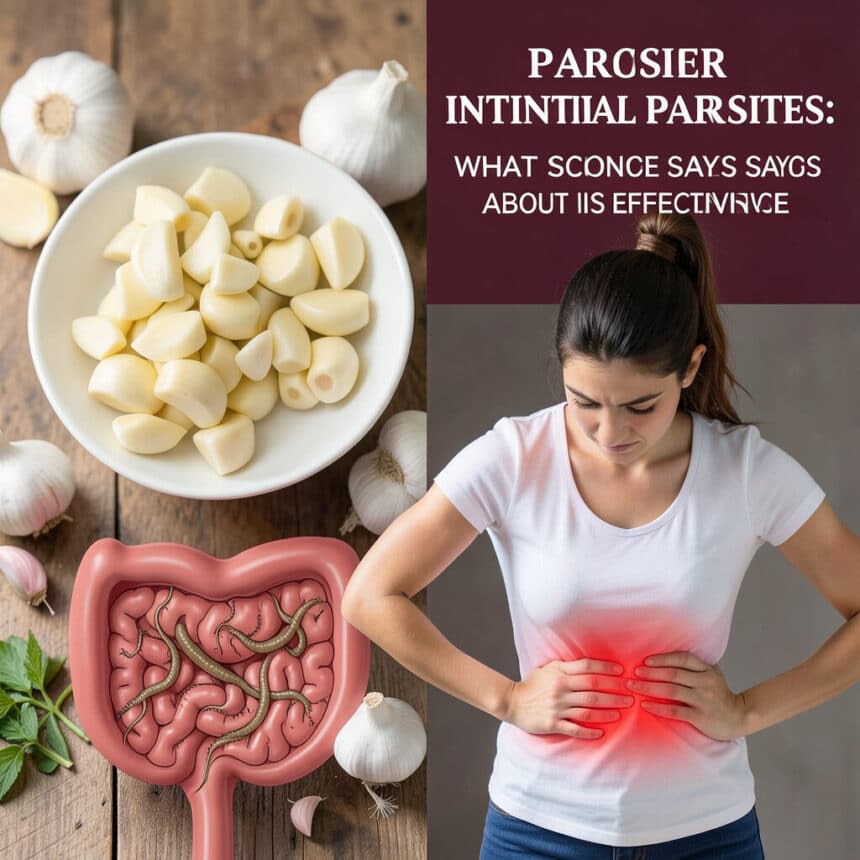
Garlic for Intestinal Parasites: What Science Says About Its Effectiveness
Garlic, a pungent bulb from the Allium family, has been revered for centuries not just as a culinary staple but also for its medicinal properties. From warding off colds to supporting cardiovascular health, its reputation as a natural remedy is widespread. Recently, there’s been growing interest in garlic’s potential role in addressing intestinal parasites, prompting many to wonder if this common ingredient could be a natural solution for digestive health concerns.
Intestinal parasites are a global health issue, often leading to symptoms like abdominal pain, nausea, diarrhea, and fatigue. While conventional medical treatments are available and highly effective, some people explore natural alternatives or complementary approaches. This article delves into the science behind garlic’s antiparasitic claims, examining its active compounds, potential mechanisms, and what to consider if you’re exploring its use for parasite cleansing.
The Power of Garlic: Key Compounds and Their Actions
The magic of garlic largely lies in its sulfur-containing compounds, particularly allicin. When fresh garlic is crushed, chopped, or chewed, an enzyme called alliinase converts alliin into allicin. Allicin is responsible for garlic’s characteristic odor and many of its purported health benefits.
- Allicin: This compound is a potent antimicrobial agent. Research suggests it can interfere with the metabolic pathways of various microorganisms, including bacteria, fungi, viruses, and even some parasites.
- Ajoene: Another sulfur compound derived from allicin, ajoene, has also shown antiparasitic activity in laboratory studies, particularly against protozoa.
- Other sulfur compounds: Garlic contains a complex array of other beneficial compounds that contribute to its overall health-promoting effects, including diallyl disulfide and diallyl trisulfide, which also exhibit antimicrobial properties.
Garlic and Intestinal Parasites: The Scientific Evidence
While anecdotal evidence and traditional uses of garlic for parasite cleansing are abundant, it’s crucial to look at what scientific studies suggest. Much of the research on garlic’s antiparasitic effects has been conducted in laboratory settings (in vitro) or on animals, with fewer large-scale human trials specifically focusing on intestinal parasites.
Some studies have demonstrated garlic extract’s ability to inhibit the growth and even kill various types of parasites, including:
- Giardia lamblia: A protozoan that causes giardiasis, an intestinal infection.
- Entamoeba histolytica: Another protozoan responsible for amoebiasis.
- Cryptosporidium parvum: A common cause of diarrheal disease.
- Various types of worms: Including some nematodes (roundworms) and cestodes (tapeworms) in animal models.
These findings are promising, indicating that garlic’s active compounds possess properties that could potentially disrupt the life cycles or survival of these organisms. However, the concentration of these compounds and their bioavailability in the human digestive system are important factors that require further investigation. The effects observed in a petri dish may not directly translate to the complex environment of the human gut.
How Garlic Might Work Against Parasites
The proposed mechanisms by which garlic may exert its antiparasitic effects include:
- Disrupting cell membranes: Allicin and other sulfur compounds may damage the cell membranes of parasites, leading to their demise.
- Inhibiting enzyme activity: Garlic compounds can interfere with essential enzymes that parasites need for survival and reproduction.
- Boosting immune response: Garlic is known for its immune-modulating properties. A stronger immune system may be better equipped to fight off parasitic infections.
- Anti-inflammatory effects: Reducing inflammation in the gut could create a less hospitable environment for parasites.
Integrating Garlic into Your Diet for Digestive Health
If you’re interested in incorporating more garlic into your diet for its general health benefits, including potential digestive support, here are some practical tips:
- Raw Garlic: Crushing or mincing raw garlic and letting it sit for a few minutes before consuming helps activate allicin. Add it to salad dressings, dips, or mix it into food after cooking.
- Cooking with Garlic: While cooking can reduce allicin content, garlic still offers many other beneficial compounds. Sauté it with vegetables, add it to soups, stews, or stir-fries.
- Garlic Supplements: Standardized garlic supplements are available, often providing a concentrated dose of allicin or aged garlic extract. Consult a healthcare professional before starting any new supplement regimen.
Important Considerations and Safety Notes
While garlic is generally safe for most people when consumed in food amounts, there are important considerations, especially if you’re considering it for specific health conditions like parasitic infections:
- Not a Replacement for Medical Treatment: If you suspect you have an intestinal parasitic infection, it is crucial to consult a qualified healthcare professional for proper diagnosis and treatment. Garlic should not replace prescribed medications or medical advice.
- Digestive Upset: Large amounts of raw garlic can cause digestive upset, heartburn, gas, or bloating in some individuals.
- Blood Thinning: Garlic has mild blood-thinning properties. If you are on blood-thinning medication or have a bleeding disorder, discuss garlic consumption with your doctor.
- Allergies: Some people may be allergic to garlic.
- Dosage: There is no universally established effective dose of garlic for treating parasitic infections in humans, and self-treating can be risky.
Frequently Asked Questions About Garlic and Parasite Cleansing
Q: Can garlic alone cure intestinal parasites?
A: While garlic shows promise in laboratory studies, there is insufficient evidence from human clinical trials to conclude that garlic alone can cure intestinal parasitic infections. It’s best used as part of a balanced diet and healthy lifestyle, and never as a sole treatment for diagnosed infections.
Q: How much raw garlic should I eat for potential benefits?
A: There’s no specific recommended amount for antiparasitic effects. For general health benefits, many incorporate 1-2 cloves of raw or lightly cooked garlic into their daily diet. Always start with small amounts to assess tolerance.
Q: Are garlic supplements more effective than fresh garlic?
A: Garlic supplements can offer standardized amounts of active compounds, but their effectiveness depends on the formulation and quality. Fresh garlic provides a complex array of nutrients and beneficial compounds that work synergistically. Discuss with a healthcare provider if supplements are right for you.
Q: Can children consume garlic for parasites?
A: Garlic is safe for children in culinary amounts. However, using it as a treatment for parasitic infections in children should only be done under the strict guidance of a pediatrician or healthcare professional.
Final Thoughts
Garlic is undeniably a powerful superfood with a long history of medicinal use and a growing body of scientific evidence supporting its various health benefits, including potential antimicrobial and antiparasitic properties. While it may offer supportive benefits for overall digestive health and immune function, it’s essential to approach claims about its ability to ‘cleanse’ parasites with a balanced perspective. For suspected intestinal parasitic infections, always prioritize consultation with a healthcare professional for accurate diagnosis and appropriate medical treatment. Incorporating garlic into a healthy, balanced diet can be a delicious way to support your well-being, but it should be seen as a complementary measure, not a standalone cure.