Understanding the Mystery of Ginger Black Tips
When you search for information regarding ginger black tips, you may find yourself at a crossroads between botanical health and popular culture. For some, the phrase brings to mind a specific television episode that has captured public interest, while for herbal enthusiasts, it signals a potential problem with a prized rhizome. Quality is the foundation of any effective natural wellness practice. Whether you are preparing a soothing tea or a topical infusion, the state of your ingredients determines the safety and potency of the final result. This guide clarifies the dual meaning of this term and provides practical steps for identifying high-quality ginger for your home remedies.
The Pop Culture Connection: Black-Haired Ginger
It is common for search trends to be influenced by media, and the term "Black-Haired Ginger" is a prime example. This phrase is actually the title of the 101st episode of the American television series Shameless[1]. Directed by William H. Macy and originally aired on October 7, 2018, the episode follows the complex lives of the Gallagher family in Chicago[1].
While the title might sound like a rare botanical variety, it has no relation to the plant Zingiber officinale. In the show, the plot centers on characters like Ian Gallagher preparing for trial and Frank Gallagher experimenting with new substances[1]. Because the series maintains a dedicated following, searches for this specific phrase often spike during the winter months or during series marathons, leading to confusion for those looking for agricultural or herbal advice. Recognizing this distinction is the first step in focusing on the actual physical health of your herbal ingredients.
The episode itself was viewed by approximately 1 million households upon its release and received mixed reviews from critics[1]. In the context of the show, the title serves as a character-driven metaphor rather than a botanical description. For wellness enthusiasts, this means that any search results discussing plot points, the South Side of Chicago, or the Gallagher family are unrelated to the physical condition of ginger roots in your kitchen.
Identifying Physical Black Tips on Ginger Rhizomes
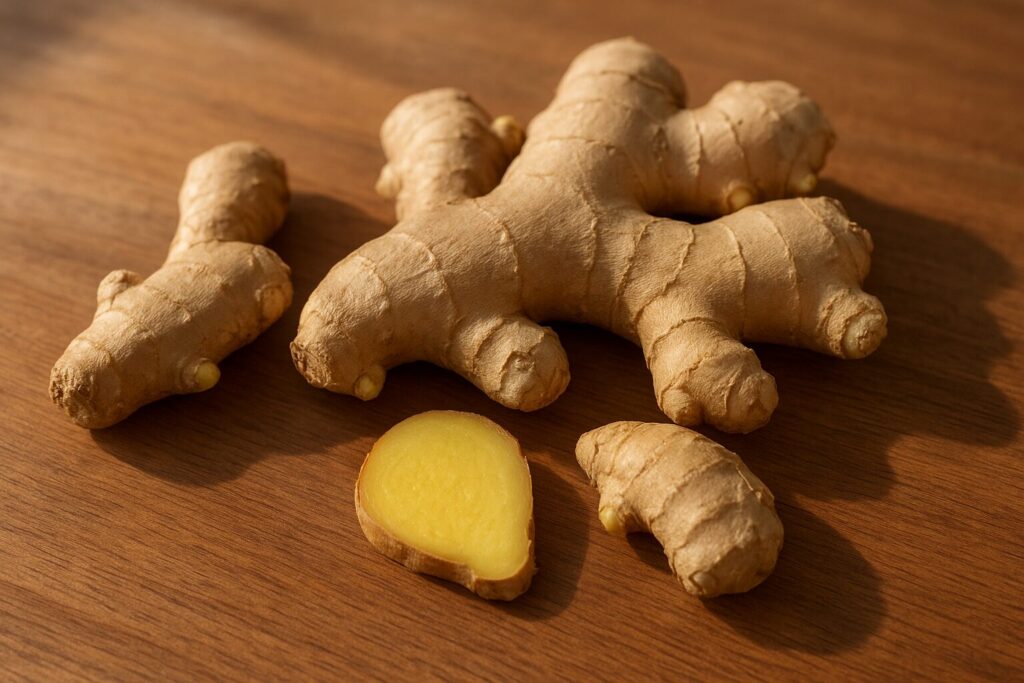
In the world of herbalism, a black tip on a ginger root is a physical sign that requires your attention. Fresh ginger should ideally have a light brown, smooth skin with a firm, heavy feel. When inspecting a rhizome, look closely at the "eyes" or the small growth points at the ends of the fingers. These are the most vulnerable parts of the root. If you are looking for Ginger Hair Ideas for Natural Growth and Scalp Health, you will know that the purity of the ginger extract starts with a healthy, rot-free specimen.
Signs of Healthy Ginger
- Firm texture: The rhizome should feel solid, like a potato. It should not give under thumb pressure or feel hollow.
- Aromatic skin: When you slightly nick the skin with a fingernail, a spicy, sharp, and bright aroma should immediately be present.
- Vibrant flesh: Depending on the variety, the inside should be a pale yellow to bright gold, with a crisp snap when broken.
If you notice the tips are dark, it is important to distinguish between simple drying and active decay. A dry, shriveled tip is often just a sign of age and can usually be trimmed away. However, if the tip is soft, slimy, or emits a musty odor, it indicates that the root is beginning to spoil. High-quality ginger is essential for maintaining the integrity of 5 Healthy Ginger Recipes for Natural Winter Wellness, as the flavor and wellness properties are most concentrated in fresh, vibrant roots.
Common Causes of Darkening in Ginger Roots
Darkening at the tips of ginger is rarely a random occurrence; it is usually the result of environmental stressors. The most common culprit is excess moisture. Because ginger is a rhizome that grows underground, it is naturally prone to mold if kept in a damp, enclosed environment without airflow. Fungal spores can settle on the growth tips, leading to localized rot that eventually spreads through the vascular tissues of the plant.
Temperature fluctuations also play a significant role. If ginger is frozen and then thawed during transport or storage, the internal cell walls can break down. This cellular collapse leads to a grey or black translucent appearance near the tips, often referred to as "chilling injury." Furthermore, natural oxidation occurs when the root is bruised or cut. Just as an apple turns brown when exposed to air, the enzymes in ginger react with oxygen, creating dark spots that are aesthetically unappealing but not always harmful.
Specific Environmental Triggers
- High Humidity: Causes the "eyes" of the ginger to sprout or rot if air circulation is poor.
- Freezing Temperatures: Destroys the texture and leads to a watery, dark interior.
- Physical Bruising: Occurs during rough handling, leading to localized dark patches that can become entry points for bacteria.
It is also helpful to know that some varieties, like blue-ring ginger, have a natural bluish-grey circle inside. This is a genetic characteristic of the variety rather than a sign of spoilage, though it is often mistaken for mold by those unfamiliar with tropical ginger cultivars.
Safety and Potency in Herbal Remedies
Using ginger with significant black tips or internal darkening can compromise your herbal preparations. Moldy ginger can harbor mycotoxins, which are chemical byproducts of fungal growth. These substances are not always destroyed by boiling water in a tea or infusion. If the rot has traveled deep into the fibers of the root, the entire piece should be discarded to avoid a bitter, off-flavor and potential digestive upset.
For minor surface darkening or a single dry black tip, you can often salvage the rest of the root by cutting at least an inch past the affected area. Always inspect the cross-section; the flesh should be uniform in color. If you see dark streaks or "veins" running through the center of the rhizome, it is a sign that the decay has become systemic. When using ginger for topical applications, such as Ginger Snow-Time Skin Tips for Natural Winter Care, using a compromised root could lead to skin irritation or the introduction of unwanted microbes to the skin barrier.
If you accidentally consume a remedy made from spoiled ginger and experience nausea, persistent stomach pain, or unusual allergic-like symptoms, it is wise to consult a healthcare professional or pharmacist. Maintaining high standards for your ingredients ensures that your home wellness practices remain a safe and supportive part of your routine.
Best Practices for Storing Ginger for Longevity
To prevent the development of black tips, proper storage is essential. Ginger thrives when kept cool and dry, away from direct sunlight. One of the most effective methods is to wrap the unpeeled root in a dry paper towel and place it inside a resealable bag with the air squeezed out. The paper towel acts as a buffer, absorbing any condensation that could lead to mold at the tips while the bag prevents the root from dehydrating.
Step-by-Step Preservation Methods
- Refrigeration: Keeps ginger fresh for several weeks. Check the paper towel periodically; if it becomes damp, replace it with a dry one.
- Freezing: You can freeze the whole root in a freezer-safe bag. It is actually easier to grate while frozen and can last for several months without losing its characteristic heat.
- Spirit Preservation: Some traditional methods involve peeling the ginger and submerging it in a jar of dry sherry or vodka. This prevents oxidation and blackening, though it does alter the flavor profile for certain uses.
Avoid peeling the ginger until the moment you are ready to use it. The skin acts as a natural protective barrier against oxidation and microbial growth. By managing moisture levels, you can ensure your ginger stays ready for making a Golden Ginger Ale Punch as a Healthy Winter Drink whenever the need arises.
Using Fresh Ginger in Natural Wellness
Fresh ginger is a cornerstone of traditional wellness, especially during the colder months when its warming properties are most desired. The quality of the root directly impacts the concentration of gingerol, the bioactive compound responsible for the herb's characteristic heat and aromatic profile. When the root is at its peak freshness, without any signs of blackening, shriveling, or decay, it provides the most robust flavor and the highest concentration of essential oils.
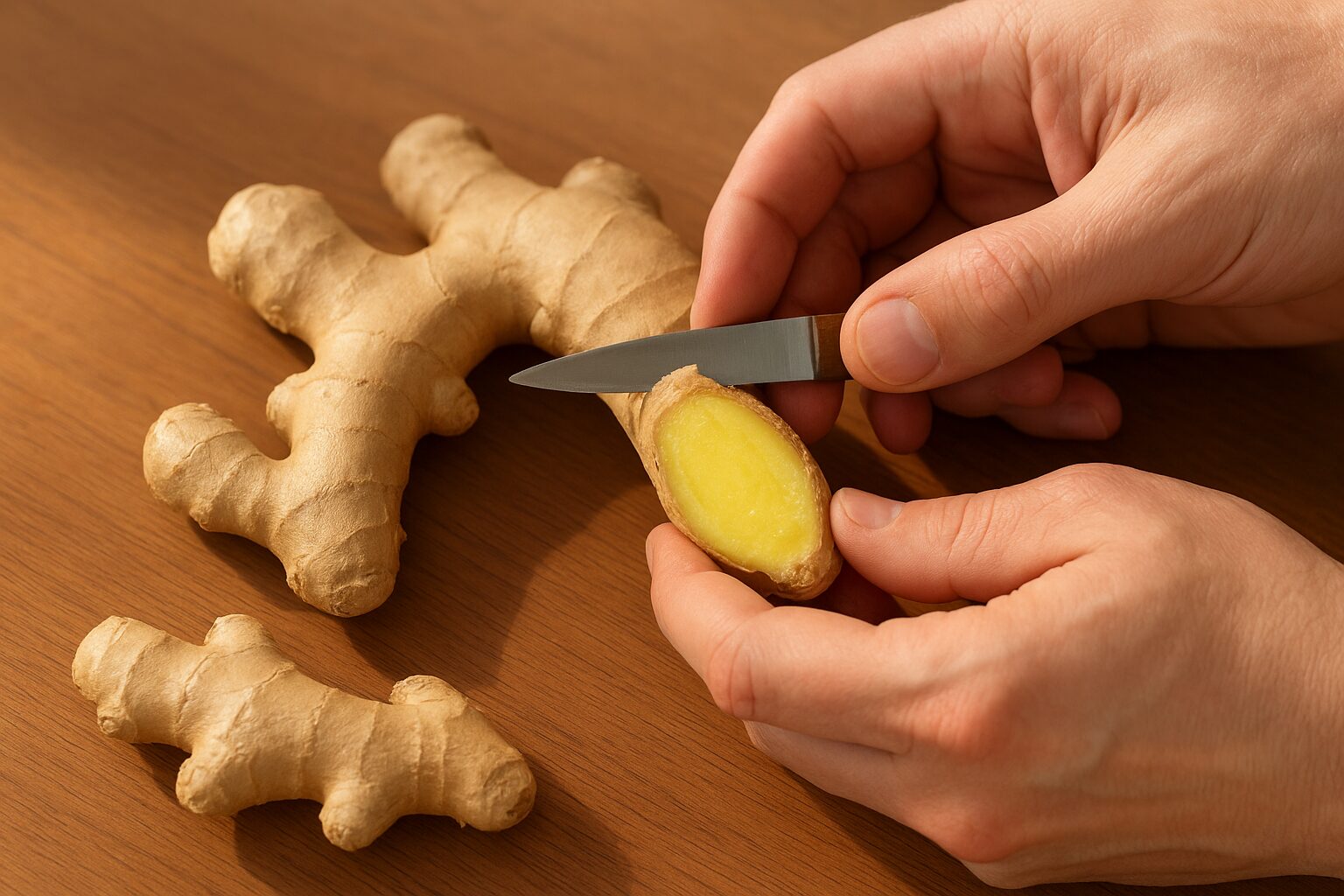
In addition to dietary uses, fresh ginger is often utilized in topical compresses, infused oils, or foot soaks. For these applications, using a clean, healthy root is even more critical to avoid introducing bacteria to the skin or the carrier oil. When preparing an infusion, look for roots that are heavy for their size, which indicates high water and oil content. By selecting firm rhizomes and storing them with care, you can maximize the shelf life and efficacy of your herbal cabinet. This attention to detail ensures that every cup of tea, every batch of syrup, and every topical application is as potent and safe as nature intended.
Frequently Asked Questions
Is it safe to use ginger if only the very tip is black?
If the black tip is dry, hard, and shriveled, it is usually a sign of simple dehydration. You can safely cut off the darkened end and use the rest of the root if the interior flesh is bright, firm, and smells fresh. However, if the black area is soft, mushy, or smells fermented or musty, it is best to discard the entire root to avoid potential mold contamination.
Does 'Black-Haired Ginger' refer to a specific type of medicinal plant?
No, 'Black-Haired Ginger' is not a botanical variety. It is the title of the 101st episode of the TV series Shameless [1]. While there are different varieties of ginger, such as yellow, white, or blue-ring ginger, none are officially classified by that specific name in herbalism or agriculture. Searches for this term usually lead to television trivia rather than gardening or health advice.
How can I tell the difference between dirt and a black rot tip?
Dirt is a surface contaminant that can be easily scrubbed away with a vegetable brush under running water. Rot, however, is a degradation of the plant tissue itself. If the black color remains after washing and the area feels soft, slimy, or collapses when pressed, it is a sign of decay rather than surface debris. Healthy ginger skin should be smooth and tight.
Can black spots on ginger affect the success of a fermentation project?
Yes, using ginger with black rot or mold can introduce unwanted bacteria or wild yeasts into your fermentation, such as when making a 'ginger bug.' This can cause the fermentation to fail, produce foul odors, or grow harmful mold on the surface. For any fermentation or culturing project, it is essential to use the freshest, cleanest ginger available to ensure a healthy microbial balance.
What should I do if my ginger root turns black inside after peeling?
Internal blackening or grey streaks often indicate that the ginger was exposed to freezing temperatures or has a systemic fungal infection. If the discoloration is widespread throughout the flesh or follows the fibrous lines of the root, it should be discarded. Such ginger will likely have an unpleasant, bitter taste and significantly reduced wellness benefits compared to a fresh, yellow rhizome.
Leave a Reply