

Harnessing Ginger Hair Ideas for Scalp Vitality
Ginger (Zingiber officinale) has long been a staple in natural wellness, valued for its pungent aroma and warming properties. While many recognize it as a kitchen essential, its role in traditional hair care is gaining significant attention. When applied topically, ginger is often used to stimulate the scalp, creating a revitalizing environment for hair follicles. This shift from a dietary root to a topical hair care ingredient allows enthusiasts to target specific concerns like dullness or slow growth. By integrating ginger into your routine, you are choosing a plant-based approach to achieve thicker, healthier-looking hair through natural stimulation and improved surface circulation.
Understanding how to use this root effectively involves more than just rubbing it on the skin. It requires a balance of concentration and frequency to ensure the scalp's protective barrier remains intact. Whether you are dealing with seasonal dryness or looking to boost the appearance of your hair's natural sheen, ginger offers a versatile foundation for various home-based remedies. These applications range from simple aqueous rinses to complex oil infusions, each serving a different purpose in a holistic hair care regimen.
The Cultural Context of Ginger Hair and Gingervitis
In common parlance, the word "ginger" is frequently used as a descriptor for individuals with red hair, freckles, and pale skin. This usage has deep cultural roots and has occasionally been the subject of satirical media. A notable example is the "Ginger Kids" phenomenon from the animated series South Park, which coined the fictional term "gingervitis" as a parody of the dental condition gingivitis[1].
In the episode, the character Eric Cartman presents a fictionalized view of people with red hair, claiming they suffer from this alleged disease[1]. It is important to clarify that "gingervitis" is not a real medical condition. The plot of the episode actually involves characters using skin bleach, hair dye, and henna to transform a character's appearance, highlighting how easily misconceptions can spread when satirical terms are misunderstood[1]. While the term remains part of pop culture, it has no basis in biology or scalp health.
Despite the fictional nature of such terms, the association between the ginger root and red hair often leads to confusion regarding hair color. Unlike henna, which was used in the episode to change hair color[1], the ginger root itself does not possess the staining power to alter hair pigment. Instead, its value lies in its chemical constituents like gingerol and shogaol, which interact with the skin rather than the melanin inside the hair shaft. Understanding this distinction is vital for anyone looking to improve their hair health without accidentally seeking a color change.
Ginger for Scalp Health and Circulation
The foundation of vibrant hair is a healthy scalp. Ginger is traditionally prized for its ability to improve local blood flow when massaged into the skin. This warming effect is thought to help deliver essential nutrients to the hair follicles, supporting the natural growth cycle. For those dealing with a sluggish scalp environment, using fresh ginger juice or a properly diluted ginger essential oil can be a refreshing ritual.
Managing Scalp Buildup and Sebum
Beyond circulation, ginger’s natural compounds play a role in managing the environment of the scalp. It can help break down excess sebum and minimize the appearance of flakes. A clean, balanced scalp is less prone to the irritation that can sometimes hinder hair vitality. If you are looking for ways to support your skin during colder months, you might also find Ginger Snow-Time Skin Tips for Natural Winter Care helpful for maintaining overall skin moisture and balance.
When applying ginger for circulation, the technique matters as much as the ingredient. Using the pads of your fingers in a circular motion helps the ginger compounds penetrate the upper layers of the dermis. This mechanical action, combined with the chemical warmth of the root, can help loosen dead skin cells that clog pores. For individuals with oily hair, this can be particularly beneficial as it helps regulate the scalp's natural oil production without the harsh stripping effects of chemical-laden clarifying shampoos.
Natural Growth Support with Ginger Infusions
One of the simplest ginger hair ideas is the creation of a ginger-infused water, often referred to as a "hair tea." This liquid can be used as a final rinse after shampooing to leave the scalp feeling tingly and clean. To make it, simmer sliced fresh ginger in water, let it cool completely, and strain it before use. This method is a gentle way to introduce ginger’s properties without the intensity of a concentrated oil.
Advanced Oil Infusion Methods
For those seeking deeper conditioning, ginger can be combined with carrier oils. While many people use coconut or olive oil, some prefer the thickness of Castor Oil for Hair Growth Tips and Natural Scalp Care Ideas to create a potent overnight treatment. To create an oil infusion, you can finely grate ginger and allow it to sit in the carrier oil for several days in a cool, dark place, or use a low-heat double boiler method to accelerate the process.
When using these infusions, consistency is key. Applying a ginger oil blend once every two weeks may provide a temporary boost, but regular application—perhaps once a week—allows the scalp to maintain a steady level of stimulation. It is important to remember that natural hair growth is a slow process; patience and a steady routine are essential when moving away from synthetic products toward plant-based alternatives. Always ensure the oil is washed out thoroughly to prevent the heavy fats from weighing down the hair or attracting environmental pollutants.
Topical Application: Precautions and Best Practices
Because ginger is a potent, warming herb, safety should always come first. Before applying any ginger preparation to your entire head, perform a patch test on a small area of skin, such as the inside of your elbow. Look for signs of irritation, including excessive redness, persistent burning, or itching. A mild warming sensation is normal, but actual pain indicates the mixture is too strong and should be washed off immediately.
Identifying When to Seek Professional Advice
It is also vital to distinguish between general hair thinning and medical conditions. If you experience sudden, patchy hair loss or persistent scalp inflammation, consult a dermatologist or a trichologist. While herbal remedies support general wellness, they are not intended to treat clinical hair loss disorders like alopecia areata or severe hormonal thinning. Always seek professional advice if you notice drastic changes in your hair density or scalp health.
Furthermore, those with sensitive skin or conditions like psoriasis or eczema should approach ginger with caution. The very compounds that stimulate blood flow can act as irritants on broken or highly sensitive skin. If you are currently using prescription topical treatments for scalp conditions, consult with your pharmacist before adding ginger to your routine to avoid potential interactions or increased skin sensitivity.
DIY Ginger Hair Masks and Scalp Scrubs
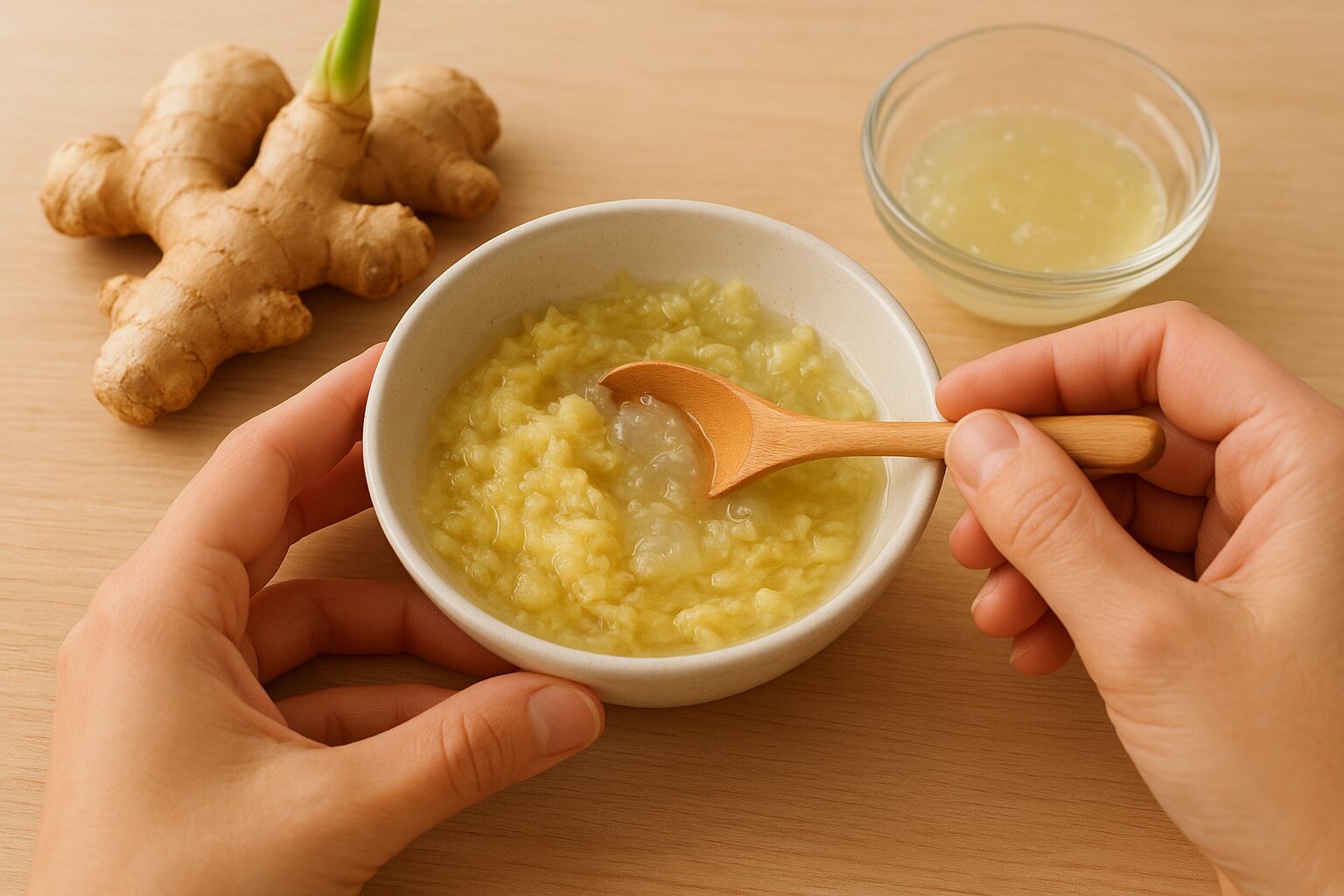
Creating your own treatments at home allows you to control the purity of the ingredients. A popular ginger hair idea involves blending fresh ginger pulp with soothing agents like aloe vera gel or honey. This creates a mask that balances the heat of the ginger with the hydrating properties of the base. Apply the mixture primarily to the roots, leave it for ten to fifteen minutes, and rinse thoroughly. This combination is particularly effective for those who find raw ginger juice too aggressive on its own.
Exfoliation Techniques and Cleanup
Ginger can also serve as a mechanical exfoliant in a scalp scrub. By mixing finely grated ginger with a bit of coarse sugar and oil, you can gently buff away dead skin cells. However, rinsing is the most critical step; ginger fibers can be stubborn and may stick to hair strands if not washed out with plenty of water. A wide-tooth comb can be helpful during the rinsing process to ensure all organic material is removed from the hair shaft.
Integrating these steps into a broader wellness routine, perhaps alongside 5 Healthy Ginger Recipes for Natural Winter Wellness, helps create a holistic approach to self-care. When you use ginger both topically and as part of your nutrition, you are supporting the body's largest organ—the skin—from two different directions. For the best DIY experience, always use organic ginger when possible to avoid applying residual pesticides directly to your scalp.
Complementing Hair Care with Dietary Ginger
True beauty often starts from within, and the health of your hair is frequently a reflection of your internal nutrition. Including ginger in your diet can support systemic health, which may indirectly benefit the strength of your hair. Ginger is known for its antioxidant properties and its ability to support healthy digestion, both of which are essential for nutrient absorption. If your body is efficiently processing vitamins and minerals, your hair follicles are more likely to receive the nourishment they need to produce strong strands.
Hydration and Nutrient Delivery
You can easily incorporate ginger into your daily routine by adding it to smoothies, stir-fries, or warm beverages. For a refreshing option, consider Making Golden Ginger Ale Punch as a Healthy Winter Drink. Proper hydration is also a cornerstone of hair health; a dehydrated scalp can become flaky and brittle, making the hair more prone to breakage. Ginger-infused drinks can make staying hydrated more enjoyable while providing the secondary benefits of the root's natural compounds.
By nourishing your body with herbal roots and a balanced diet, you provide the biological building blocks necessary for maintaining hair that looks and feels its best. Consider pairing your ginger intake with foods rich in biotin, zinc, and iron, as these nutrients work synergistically with the circulatory benefits of ginger. Over time, this combined approach of topical stimulation and internal nourishment can lead to a noticeable difference in hair texture and resilience.
Frequently Asked Questions
Can ginger actually change my hair color?
No, topical ginger treatments will not change your natural hair color. While ginger is a warm-toned root, it does not contain the concentrated pigments found in dyes or henna. It is used for scalp stimulation and health rather than as a colorant. If you are looking for a color change, you would need to use traditional dyes or henna rather than raw ginger.
Is 'gingervitis' a real scalp condition I should worry about?
No, 'gingervitis' is a fictional term created for a satirical television episode [1]. It is not a medical diagnosis. If you have concerns about your scalp, such as persistent itching or dandruff, you should look into actual conditions like seborrheic dermatitis and consult a professional medical provider for a proper diagnosis.
How often should I apply ginger to my scalp for the best results?
For most people, using a ginger rinse or mask once or twice a week is sufficient. Overusing ginger can lead to skin irritation or dryness due to its potent warming nature. Always listen to your skin and reduce frequency if you notice any redness, or increase dilution with a carrier oil if your scalp feels overly sensitive after treatment.
Can ginger help with an itchy or flaky scalp?
Yes, ginger is traditionally used to help manage scalp buildup and flakes. Its natural cleansing properties can help refresh the scalp environment. However, if the itchiness is caused by an allergic reaction, a fungal infection, or an underlying medical condition, you should stop use immediately and see a doctor to ensure you aren't exacerbating the issue.
What should I do if the ginger mask feels too hot on my skin?
If a ginger treatment feels uncomfortably hot or begins to sting, wash it out immediately with cool water and a gentle, pH-balanced shampoo. Next time, try diluting the ginger juice further with more carrier oil, water, or aloe vera to reduce its intensity. Never leave a treatment on if it causes pain, as this can lead to contact dermatitis.
Sources
This article is general information, not medical advice. Talk to your doctor or another qualified health professional about your own situation, especially before changing medication, diet or exercise.


