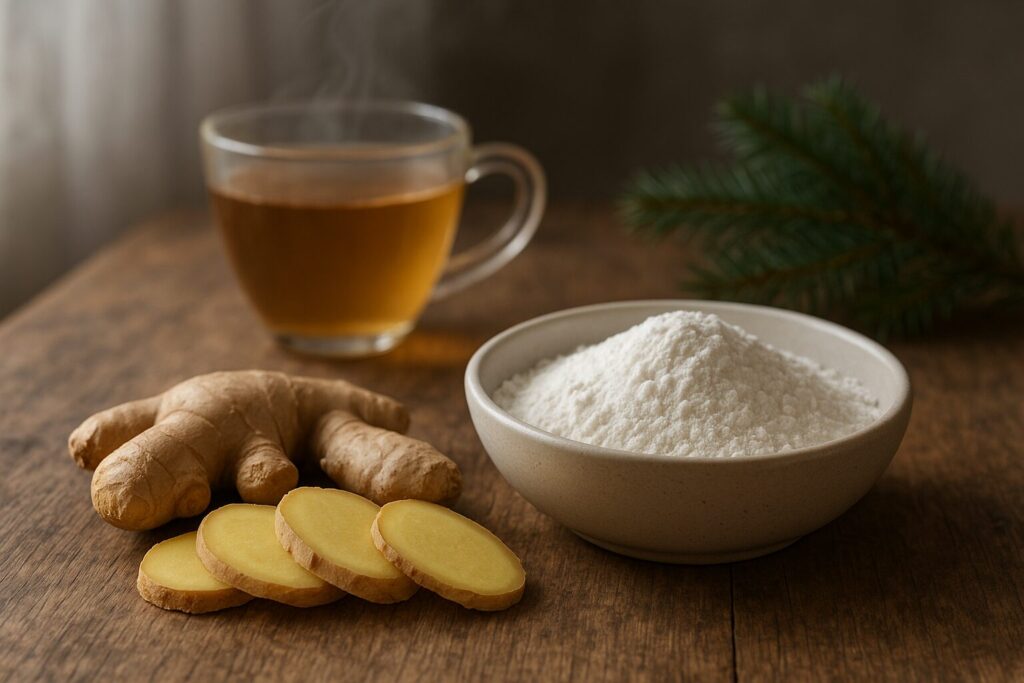
Embracing Ginger for Radiant Winter Wellness
When the first frost hits, our skin is often the first to feel the change. The drop in temperature and humidity can lead to sluggish circulation and a noticeable loss of moisture, leaving the complexion looking tired or dull. In the world of herbal wellness, ginger is celebrated as a warming ally that helps stimulate the senses and support the body's natural vitality during the colder months. By incorporating this pungent root into both your topical routines and your daily infusions, you can create a holistic shield against the harsh elements of the snow season. This approach focuses on gentle stimulation and deep nourishment to maintain a healthy-looking glow even when the weather is at its peak chill.
Using ginger during the winter isn't just about the physical warmth; it's about the sensory experience of revitalizing the skin when the environment feels stagnant. As a botanical ingredient, ginger contains bioactive compounds like gingerol, which are traditionally valued for their ability to invigorate the surface of the skin. When the air turns sharp and the snow begins to settle, these properties help to counteract the 'winter blues' that can manifest as sallow or uneven skin tone. By focusing on both internal and external applications, you can build a comprehensive routine that addresses the unique challenges of the snowy season.
The Concept of Snow-Time Skin: Inspiration from Tradition
The idea of 'snow-time skin' draws creative inspiration from the aesthetic of the snow skin mooncake, a unique confection originating in Hong Kong during the 1960s[1]. Unlike traditional mooncakes that are baked until golden and oily, these treats feature a soft, pale, and smooth exterior made from glutinous rice[1]. They are served cold, offering a refreshing contrast to the heavy, high-sugar baked goods of the past[1].
This shift in the 1960s toward less oily ingredients and fruit-filled centers mirrors the modern desire for skincare that feels clean and breathable rather than greasy or heavy[1]. By looking at the chilled, refined texture of these traditional treats, we can find inspiration for a winter skincare goal: achieving a surface that is smooth, hydrated, and refreshed. Just as the snow skin mooncake became popular for its lighter profile in the 1970s and 1980s, we can prioritize herbal ingredients like ginger that support a vibrant appearance without relying on thick, pore-clogging oils[1].
Understanding this history allows us to appreciate the balance between temperature and texture. The 'snow skin' effect is not about being cold, but about having a complexion that is as clear and smooth as the rice-flour crust of the mooncake[1]. In a wellness context, this means focusing on ingredients that provide moisture without the heavy, suffocating feel of traditional winter salves. Ginger plays a pivotal role here by providing the necessary stimulation to keep skin looking fresh, even when we are layering up against the sub-zero temperatures outside.
Topical Ginger Applications for Seasonal Vitality
Ginger is highly regarded in topical applications for its ability to provide a subtle warming sensation, which is particularly welcome when the air is freezing. Using a ginger-infused carrier oil for a gentle facial or body massage can help encourage surface circulation, bringing a natural flush of life back to skin that has been constricted by the cold. For those dealing with the common winter issue of flaky skin, a homemade ginger and sugar scrub can serve as an effective physical exfoliant. Mixing finely grated fresh ginger with organic sugar and a light oil helps sweep away dead cells while leaving the skin feeling invigorated.
Brightening the Winter Complexion
The natural compounds found in ginger root are often used to help brighten the appearance of the skin. If your complexion feels 'gray' or flat during the winter, ginger-based masks or toners can help restore a look of clarity. However, because ginger is a potent botanical, it is essential to perform a patch test on a small area of skin, such as the inner wrist, before full application. This ensures that the warming properties do not cause irritation for those with particularly sensitive skin types.
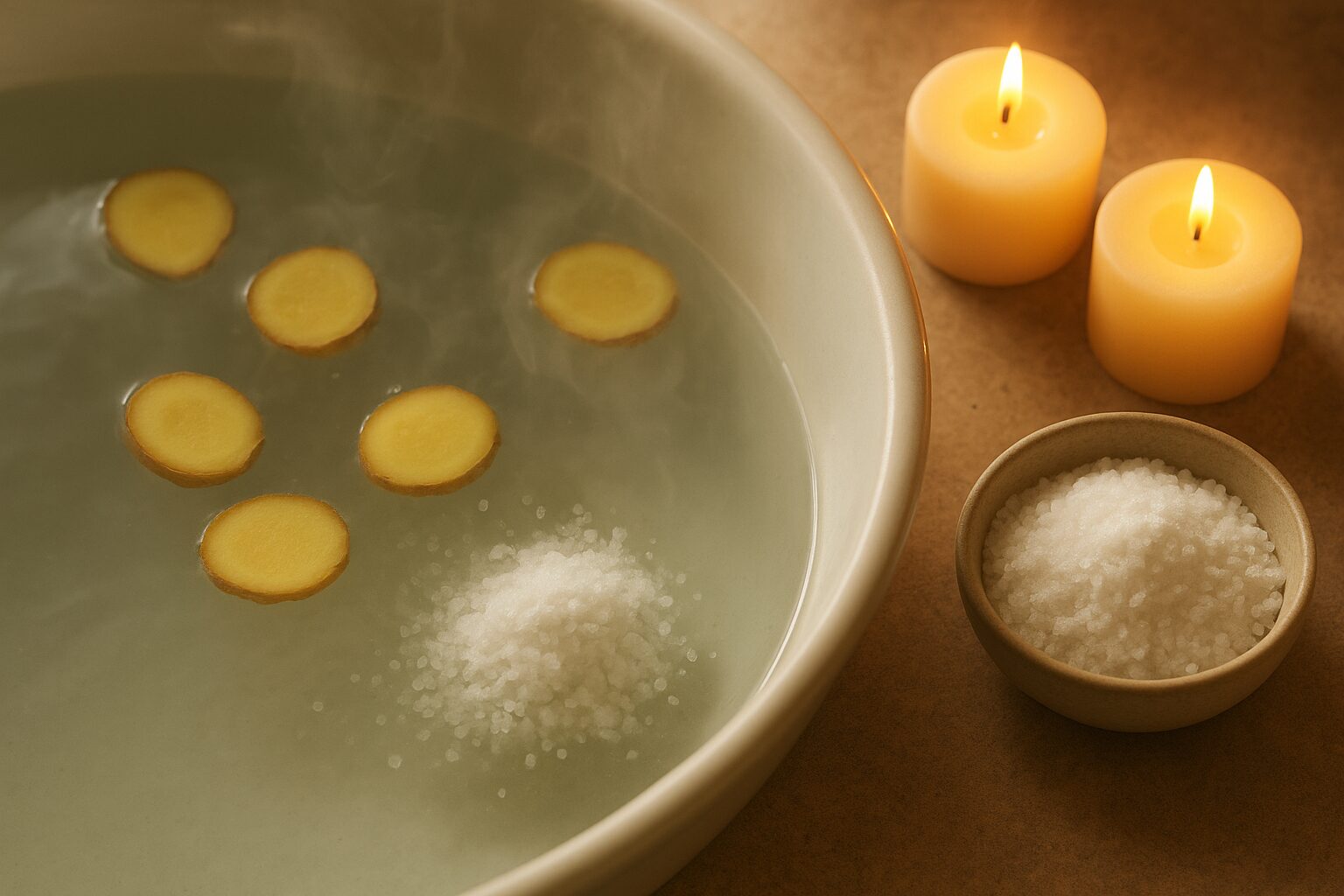
For a targeted approach, you can create a ginger steam by adding sliced ginger to a bowl of hot water. Draping a towel over your head and leaning over the bowl allows the ginger-infused steam to open the pores and deliver its aromatic benefits directly to the face. This method is especially helpful before applying a moisturizer, as it prepares the skin to absorb nutrients more effectively. Remember to follow up with a splash of cool water to close the pores, mimicking the refreshing temperature of a snow skin mooncake[1].
Internal Warming: Ginger Teas and Tonics
True winter radiance often starts from within. Maintaining proper hydration is a challenge during the snow season, yet it is vital for preserving skin elasticity and a plump appearance. Ginger tea acts as a functional beverage that provides 'inner heat,' helping you feel comfortable from the inside out. You might consider a Carrot, Ginger & Turmeric Juice for a concentrated burst of antioxidants that support the skin's resilience against environmental stressors.
Integrating ginger with other botanicals like lemon or honey can also provide systemic wellness benefits. For those who experience seasonal discomfort, a blend of hot water and grated ginger tea is a traditional way to find relief while keeping the body hydrated. These internal tonics complement your topical efforts by ensuring the body's systems are supported, which naturally reflects on the surface of the skin.
Building a Daily Ginger Ritual
To maximize the benefits, try incorporating ginger into your morning routine. A warm cup of ginger and lemon water first thing in the morning can help 'wake up' the digestive system, which practitioners of traditional wellness believe is linked to the clarity of the skin. Another excellent option is The Natural Blend, which uses ginger alongside other potent kitchen staples to support overall immune health. When the body is functioning optimally internally, it is better equipped to handle the external stressors of windburn and dry indoor heating that define the snow season.
Ginger-Infused Bathing Rituals for Cold Nights
One of the most effective ways to utilize ginger during the winter is through a therapeutic soak. A ginger bath can help relax muscles that have become tight from shivering or trudging through snow. To prepare this at home, you can add about half a cup of freshly grated ginger or several thick slices of the root to a warm bath. The aromatic steam alone provides a sensory experience that clears the mind and warms the spirit.
- Combine with Salts: Adding Epsom salts to your ginger bath can enhance the recovery process for tired limbs and help soften the skin.
- Temperature Check: Ensure the water is comfortably warm but not scalding, as excessively hot water can actually strip moisture from the skin, defeating the purpose of the ritual.
- Moisturize Post-Bath: Always apply a lotion or oil immediately after stepping out of the tub to lock in the hydration provided by the steam.
For an even more invigorating experience, you can create a 'ginger compress' for your feet after the bath. Soak small towels in warm ginger tea, wrap them around your feet, and cover them with wool socks for fifteen minutes. This helps drive the warmth deep into the extremities, which often suffer most during the snow-time months. This ritual not only supports circulation but also helps prevent the development of painful cracks in the heels, a common winter ailment.
Protective Barriers: Ginger and Natural Oils
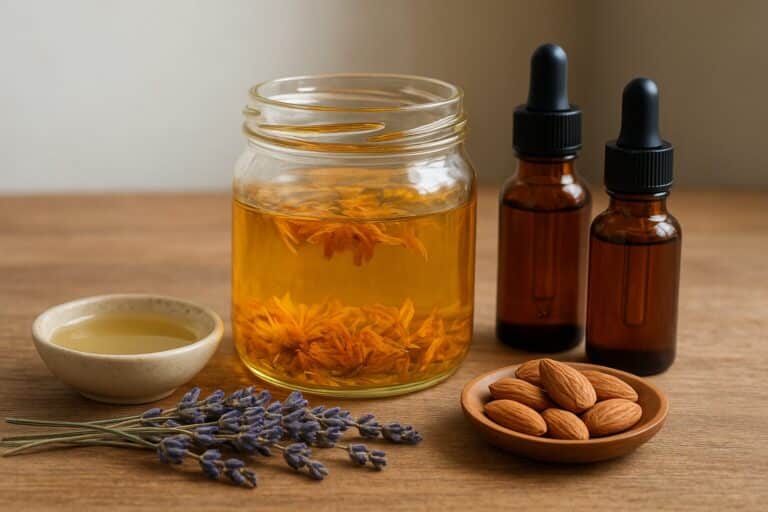
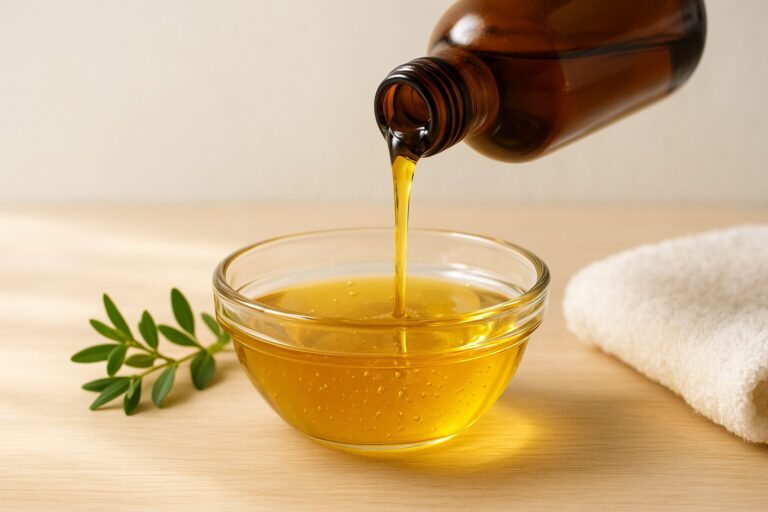
Drawing back to the history of the snow skin mooncake, which was developed to provide a less oily alternative to traditional cakes, we can apply the same logic to our winter moisture barriers[1]. Instead of using heavy, occlusive petroleums, look for light and absorbent carrier oils like jojoba, sweet almond, or grapeseed oil. These can be infused with ginger essential oil to create a protective layer that mimics the skin's natural sebum without feeling heavy.
Focus your application on high-friction areas that are prone to extreme dryness, such as the elbows, knees, and knuckles. For a more comprehensive wellness approach, you might explore ginger and orange combinations which offer a bright, uplifting scent alongside their skin-softening properties. Consistency is the secret to maintaining that 'snow skin' softness; applying these light oils daily helps seal in moisture and prevents the biting winter wind from causing chapping or irritation.
When choosing ginger essential oil for your blends, ensure it is therapeutic grade and always dilute it properly. A general guideline for a body oil is to use only a few drops of essential oil per tablespoon of carrier oil. This prevents the ginger from becoming too intense or causing a 'hot' sensation on the skin. The goal is a gentle, sustained warmth that supports the skin's natural barrier rather than overwhelming it.
When to Consult a Professional for Skin Concerns
While ginger is a wonderful tool for general seasonal maintenance, it is important to recognize when a skin issue requires more than a home remedy. If you notice persistent redness, intense itching, or cracked skin that does not improve with moisturizing, you may be dealing with clinical conditions like eczema or dermatitis rather than simple winter dryness. In these cases, consulting a board-certified dermatologist is the best course of action to receive a proper diagnosis.
Additionally, be mindful of any signs of an allergic reaction to herbal topicals, such as hives or swelling. If you are considering taking concentrated ginger supplements for systemic health, it is wise to speak with a pharmacist or healthcare provider first, especially if you are on blood-thinning medications or have underlying health conditions. Natural wellness is most effective when used as a complement to professional medical guidance.
It is also worth noting that ginger can increase sensitivity to the sun for some individuals. Even in the winter, UV rays reflecting off the snow can be quite strong. If you are using ginger topically on your face, ensure you are also applying a broad-spectrum sunscreen during the day to prevent sun damage, which can be exacerbated by the stimulating effects of the ginger. Balance and caution are the hallmarks of a safe and effective herbal skincare routine.
Frequently Asked Questions
Can I use fresh ginger directly on my face for winter care?
It is generally better to dilute ginger rather than applying it directly. Fresh ginger is very potent and can cause a burning sensation or irritation on delicate facial skin. Instead, mix a small amount of ginger juice or finely grated ginger into a carrier oil or a yogurt-based mask to buffer the intensity while still enjoying its stimulating benefits.
How often should I use ginger-based products during the snowy months?
Frequency depends on your skin type, but many find that using a ginger-infused body oil or scrub a few times a week helps maintain smoothness. If you have very hardy skin, you might use a diluted ginger toner more frequently, but always monitor your skin for signs of over-stimulation or redness and reduce usage if irritation occurs.
Is ginger tea as effective for skin as topical ginger oil?
They serve different purposes. Ginger tea supports hydration and internal warmth, which helps maintain skin elasticity from the inside. Topical ginger oil works directly on the surface to stimulate blood flow and provide immediate protection against the cold. For the best results in winter, a combination of both is usually most effective.
What is the best carrier oil to mix with ginger for a 'snow skin' glow?
Jojoba oil is an excellent choice because its molecular structure is very similar to human sebum, allowing it to absorb quickly without leaving a greasy residue. This helps achieve the smooth, non-oily 'snow skin' aesthetic. Sweet almond oil is another great option for those with extra dry skin needing more fatty acid support.
Sources
Source and attribution: www.pinterest.com
Leave a Reply