Understanding Green Garlic for Natural Wellness
Green garlic is the young, immature version of the plant species Allium sativum, harvested before the bulb has had a chance to fully develop[1]. While most people are familiar with the dry, papery bulbs found in grocery stores year-round, this seasonal variety offers a fresher, milder profile that bridges the gap between a vegetable and a medicinal herb. It belongs to a botanical genus that includes other well-known wellness staples such as onions, shallots, leeks, and chives[1].
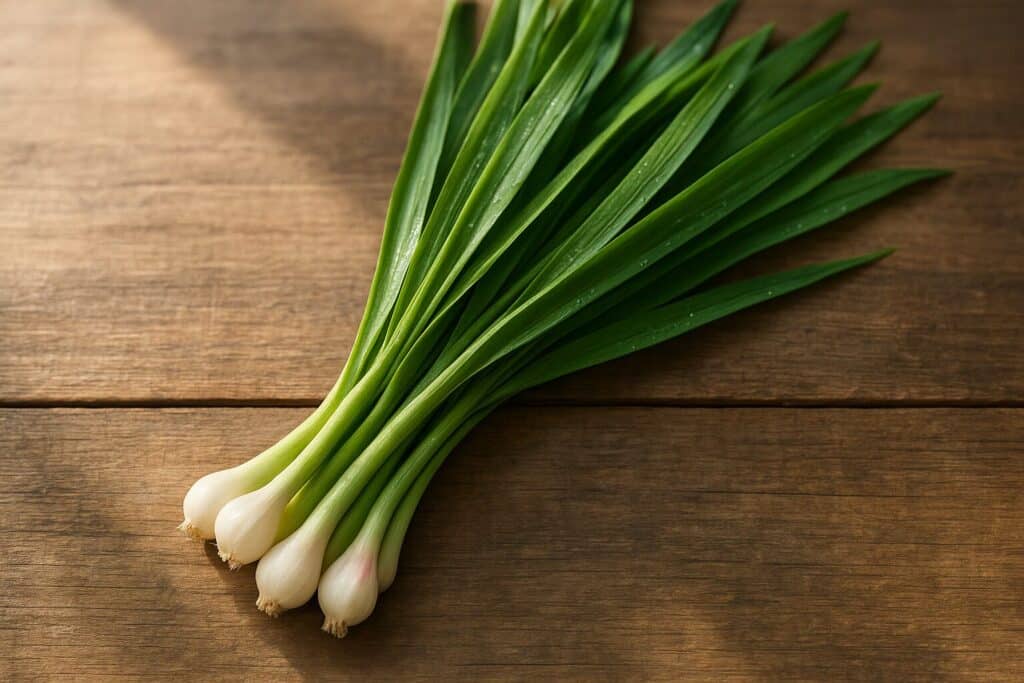
Historically, this plant has been more than just a seasoning. It was recognized as a traditional medical remedy across many ancient civilizations, including the Egyptians, Babylonians, and Chinese[1]. The characteristic pungent aroma and sharp flavor that define this plant come from its concentrated sulfur compounds[1]. These compounds are not just for flavor; they serve as the plant's natural defense mechanism and are the primary reason it remains a cornerstone in natural wellness practices today. When you encounter these plants in the early spring, they often look like thick scallions, but their scent is unmistakably garlic-forward, signaling the presence of active phytochemicals.
Nutritional and Health-Supporting Properties
Incorporating green garlic into a wellness-focused diet is backed by a long history of use and modern observation. There is clinical evidence indicating that consuming garlic species provides measurable health benefits[1]. The sulfur-rich profile of the plant is particularly notable, as these compounds are released when the plant tissue is disrupted through slicing or crushing. Because green garlic is harvested early, its flavor is often described as less aggressive than mature cloves, which may make it easier on the digestive system for individuals who find raw mature garlic too intense.
Regional Significance and Wellness Diets
The plant is native to Central Asia, northeastern Iran, and the foothills of the Himalayas, but it has naturalized in many other regions, including Mediterranean Europe and China[1]. In these areas, green garlic is a staple of seasonal wellness diets. The Mediterranean diet, in particular, frequently utilizes young Alliums to support overall vitality. By consuming the plant in its young state, you receive the benefits of its sulfur compounds in a form that is highly versatile for daily culinary use. This versatility allows for higher consumption volumes compared to the concentrated, spicy cloves of a mature bulb, potentially increasing the total intake of beneficial plant compounds during its short growing season.
The Role of Sulfur Compounds
The sulfur compounds in Allium sativum are the primary focus of natural health practitioners. These compounds are highly volatile, meaning they can be lost if the plant is overcooked or handled improperly. In green garlic, these precursors are distributed throughout the leaves and the developing bulb. When you chop the greens, you are initiating a chemical reaction that activates these wellness-supporting elements. This is why many traditional preparations emphasize fresh, raw applications or very light heat to preserve the integrity of the plant's natural chemistry.
Identifying and Selecting High-Quality Green Garlic
Identifying true green garlic requires looking for specific physical characteristics. It typically appears as a tall, erect plant with a small, underdeveloped bulb at the base[1]. Unlike mature garlic, which has distinct, separated cloves covered in dry skin, green garlic looks somewhat like an oversized scallion or a slender leek. It is important to differentiate it from garlic scapes, which are the curly, leafless flower stalks that appear later in the growing season, or ramps, which are a specific type of wild garlic.
When selecting stalks for wellness preparations, look for vibrant green leaves and firm, white-to-pinkish bases. If you notice that the garlic tips are turning yellow, it may indicate the plant is past its prime or has experienced environmental stress. While China was the largest producer of garlic globally in 2024, accounting for 73% of the world's supply[1], many natural wellness enthusiasts in the US prefer sourcing from local farmers' markets where the stalks are harvested at peak freshness during the spring months. Freshness is key because the moisture content in green garlic is significantly higher than in mature bulbs, making it prone to wilting. A high-quality stalk should feel turgid and snap cleanly when bent, rather than feeling rubbery or soft.
Distinguishing Subspecies
There are two main subspecies and hundreds of varieties of garlic, each with slightly different growth habits[1]. Hardneck varieties are often the source of both green garlic and the later-appearing scapes, while softneck varieties are more common in commercial production. When shopping, you might notice variations in the width of the leaves or the color of the base. Some may have a deep purple hue at the root end, while others are pure white. These aesthetic differences usually reflect the specific cultivar and the soil conditions in which they were grown, but all offer the characteristic sulfur-based wellness benefits associated with the species.
Culinary Applications for Seasonal Wellness
One of the best green garlic tips for the kitchen is to use the entire plant. The white bulbous end offers a concentrated flavor, while the tender green leaves provide a milder, grassy note similar to chives or leeks[1]. To preserve the volatile sulfur compounds that contribute to its wellness properties, it is best to add green garlic toward the end of the cooking process or use it in raw preparations.
- Fresh Pestos: Blend chopped stalks with walnuts and olive oil for a nutrient-dense spread. The healthy fats in the oil may help the body absorb certain fat-soluble compounds.
- Spring Broths: Simmer sliced green garlic in light vegetable stocks to create a soothing tonic. This is a gentle way to introduce the plant's properties during recovery from seasonal chills.
- Raw Garnishes: Finely mince the greens to top salads or grain bowls, similar to how you would use scallions. This maximizes the intake of raw sulfur compounds.
- Infused Oils: Macerate chopped green garlic in cold-pressed olive oil for 24 hours (keep refrigerated) to create a flavorful finishing oil.
For those looking for heartier applications, you might consider how these flavors pair with protein in a healthy garlic beef tips recipe, where the mildness of the young plant complements the richness of the meat without overpowering the dish. If you have an abundance of the plant, exploring roasted garlic ideas can also help mellow the flavor further while creating a spreadable texture that is easier for some to digest than raw cloves.
Traditional Preparations and Home Remedies
In folk traditions, garlic has remained significant as both a seasoning and a treatment for various ailments[1]. To make the most of green garlic at home, traditional preparations often focus on extracting its active components into a liquid medium. A common method is creating a green garlic vinegar or oxymel (a mixture of vinegar and honey). By infusing the sliced stalks in raw apple cider vinegar for several weeks, you create a shelf-stable extract that can be used in dressings or taken by the spoonful during the colder months.

Step-by-Step Green Garlic Oxymel
To prepare a traditional oxymel, start by finely chopping three to four whole green garlic stalks. Place them in a clean glass jar and cover them with equal parts raw honey and organic apple cider vinegar. Stir the mixture with a wooden spoon to remove air bubbles, seal the jar, and store it in a cool, dark place for two to four weeks. Shake the jar daily to ensure the compounds are thoroughly infused. Once finished, strain out the solids and keep the liquid in the refrigerator. This preparation is often used in traditional wellness practices to support the respiratory system and general immunity.
Safety and Professional Guidance
Crucial to any preparation is the act of crushing or finely slicing the plant. This mechanical action triggers the enzymatic reaction that forms beneficial sulfur compounds. However, because these preparations can be potent, it is always wise to consult with a healthcare professional or a qualified herbalist before starting a new regimen, especially if you are taking blood-thinning medications or have upcoming surgery. Natural remedies should complement, not replace, professional medical guidance. If you experience any digestive distress or allergic reactions, discontinue use and speak with a provider.
Storage and Preservation Tips
Because green garlic is a fresh, moisture-rich plant, its storage needs differ significantly from mature bulbs. Mature garlic is typically cured to allow for a long shelf life, but green garlic should be treated like a fresh vegetable. Wrap the stalks in a damp paper towel and store them in the crisper drawer of your refrigerator, where they will generally stay fresh for about five to seven days. If you notice the garlic tips turning brown, it is a sign of dehydration or age, and the plant should be used immediately.
Long-Term Preservation Methods
For long-term preservation, you can finely chop the stalks and freeze them in ice cube trays covered with olive oil. This method locks in the flavor and prevents the delicate greens from freezer burn. Garlic is cultivated in a wide variety of climates[1], but its season is fleeting. By freezing your harvest, you can enjoy the benefits of this young plant long after the spring harvest has ended. Another option is dehydrating the thinly sliced stalks at a very low temperature to create a "green garlic powder" that retains much of the original aroma.
Maintaining Freshness
Unlike mature garlic storage, which requires a cool, dry, dark place, green garlic thrives on humidity and refrigeration. If you have harvested the plant yourself, leave the roots intact until you are ready to use it, as this helps maintain the moisture balance within the stalk. Avoid storing green garlic near ethylene-producing fruits like apples or bananas, as this can cause the tender leaves to yellow and degrade more quickly. If the stalks become slightly limp, you can sometimes revive them by placing the root ends in a glass of water for an hour before preparation.
Gardening and Harvesting Your Own Green Garlic
For those interested in the full cycle of natural wellness, growing your own Allium sativum allows for the freshest possible green garlic. Garlic is a perennial flowering plant that grows from a bulb[1]. To harvest it in its "green" state, you simply plant cloves in the fall as you would for mature garlic, but instead of waiting until the leaves turn brown in mid-summer, you pull the entire plant in early spring when the leaves are about 10 to 12 inches tall.
The Importance of Timing
Harvesting too early results in very thin stalks with little flavor, while waiting too long allows the bulb to start forming tough skins. The ideal window is when the plant resembles a thick pencil. This is also a great strategy for "thinning" a garlic patch; if you planted your cloves too close together, pulling every other plant to use as green garlic gives the remaining plants more room to develop into large, mature bulbs by summer. This sustainable practice ensures a continuous supply of wellness-supporting herbs throughout the growing season.
Environmental Considerations
Since garlic is cultivated in a variety of climates and countries[1], it is remarkably resilient. However, for the best green garlic, ensure the soil is rich in organic matter and well-drained. The plant's ability to concentrate sulfur compounds is partly dependent on the availability of sulfur in the soil. Using natural compost can help provide these necessary nutrients. By tending to the soil, you are directly influencing the quality of the medicinal seasoning you will eventually harvest and consume.
Frequently Asked Questions
What is the difference between green garlic and garlic scapes?
Green garlic is the entire young plant, including the underdeveloped bulb and flat leaves, harvested early in the season. Garlic scapes are the curly, solid green flower stalks that grow from hardneck garlic varieties later in the summer. While both have a mild garlic flavor, green garlic is more like a leek in texture, whereas scapes are crunchy and snap like green beans.
Can I use green garlic leaves in a salad?
Yes, the tender green leaves of green garlic are entirely edible and excellent in salads. They provide a milder, more complex flavor than mature garlic cloves. It is best to use the leaves from younger plants, as they can become tougher and more fibrous as the plant matures toward the end of the spring season.
Does green garlic have the same health benefits as mature garlic cloves?
Green garlic contains the same essential sulfur compounds, such as allicin precursors, found in mature cloves [1]. While the concentration may vary due to the plant's high water content, it offers similar wellness-supporting properties. Many find it a beneficial alternative because it is easier to consume raw in larger quantities due to its milder taste.
When is the best time of year to find green garlic in the US?
In most parts of the United States, green garlic is a hallmark of early spring. You can typically find it at farmers' markets and specialty grocers from March through May. Its appearance usually marks the beginning of the local harvest season before the plants are left in the ground to develop into full bulbs for summer harvesting.
How do I prep green garlic to get the most health benefits?
To maximize the activation of sulfur compounds, finely chop or crush the green garlic and let it sit for about 5 to 10 minutes before eating or adding to heat. This allows the enzymes to work. For the best wellness results, use it raw or lightly steamed, as high heat can neutralize the active compounds that provide the most benefit.
Leave a Reply