
Exploring Botanical Infusions for Daily Vitality
Incorporating tea into your daily routine is a time-honored way to enjoy the aromatic and therapeutic properties of plants. An herb is broadly defined as a plant or plant part used for its scent, flavor, or specific therapeutic qualities[1]. In the realm of natural wellness, herbal medicines are considered a type of dietary supplement and are widely available in various forms, including fresh or dried plants, powders, and liquid extracts[1]. Using tea as a medium for these botanicals allows for a gentle, hydrating method to maintain or improve general health through traditional practices. This approach to wellness focuses on the synergy between hydration and the subtle properties of the plants themselves, offering a moment of mindfulness in a busy schedule.
The Tradition and Properties of Green Tea
Green tea stands as one of the most significant pillars of tea culture worldwide. It is produced from the leaves and buds of the Camellia sinensis plant. Unlike oolong or black teas, green tea leaves do not undergo the same withering and oxidation process, which helps preserve their characteristic green color and chemical profile[2]. This tradition originated in China during the late 1st millennium BC and has since been documented in historical texts such as The Classic of Tea by Lu Yu and the 13th-century Book of Tea by Zen priest Eisai[2]. The variety of green tea can differ based on growing conditions, harvest time, and horticultural methods used[2].
Potential Wellness Effects
Modern interest in green tea often focuses on its specific physiological impacts. While it is not a cure-all, evidence suggests that consuming green tea may slightly lower blood pressure and help improve mental alertness[2]. For those looking to incorporate these benefits during colder months, exploring Healing Chinese Teas for Natural Winter Wellness can provide additional seasonal context for these ancient brews. It is important to remember that while these effects are noted, green tea does not provide significant health effects for major conditions[2].
Herbal Tea Ideas for Digestive and Seasonal Support
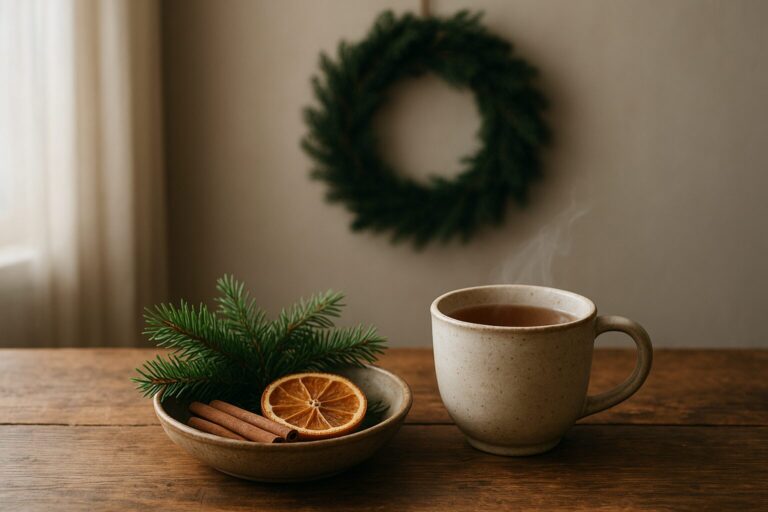
Beyond the traditional tea plant, many herbal infusions offer comfort and support for specific daily needs. Warming herbs are particularly popular for creating a sense of well-being during the winter. For instance, combining cinnamon and apple creates a soothing beverage that many use for its comforting aroma and flavor. You can learn more about the traditional applications of such blends by reading about Chinese Apple Cinnamon Wellness Tea Benefits and Traditional Uses.
Common Botanical Selections
- Peppermint and Ginger: These are frequently used as post-meal infusions to encourage relaxation and a sense of digestive ease. Ginger is often sliced fresh, while peppermint can be used dried or fresh.
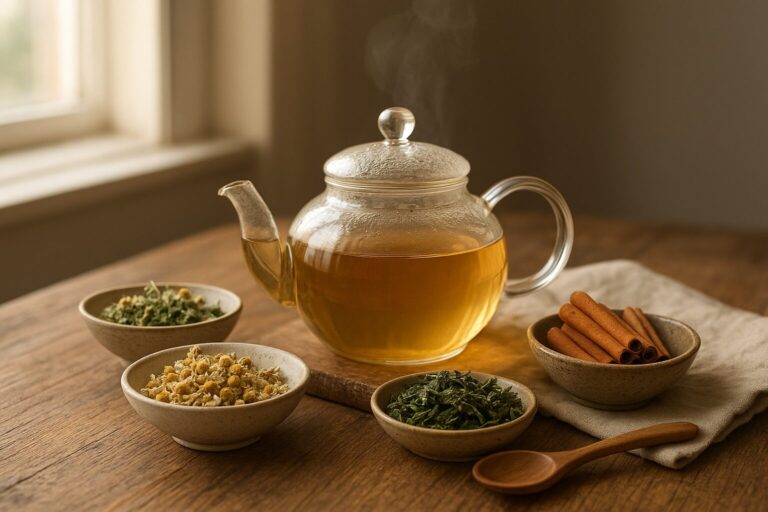
- Chamomile: This floral tea is a staple in evening wind-down routines, prized for its gentle, calming fragrance. It is often brewed from the whole dried flower heads.
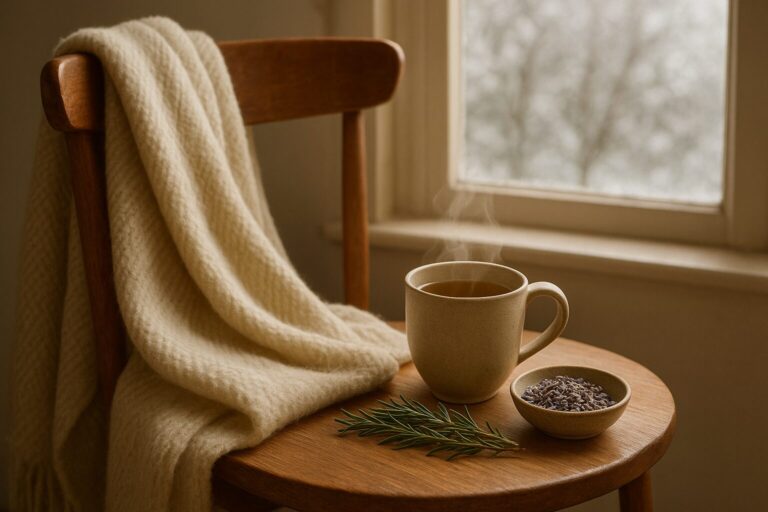
- Rosemary or Lemon Balm: Often enjoyed in the morning or midday for a refreshing, uplifting botanical experience. These herbs are easy to grow in home gardens, making them accessible for fresh brewing.
- Hibiscus: Known for its tart flavor and deep red hue, this botanical is often enjoyed iced or hot and is frequently used in blends for its vibrant color.
Safety First: Navigating the Natural Label
It is a common misconception that products labeled as "natural" are inherently safe for everyone. This is not necessarily the case, as herbal medicines do not have to undergo the same rigorous testing and regulatory processes required for conventional drugs[1]. Some specific herbs, such as comfrey and ephedra, have been identified as capable of causing serious harm to the body[1]. Because herbal products are sold as dietary supplements, their oversight differs significantly from pharmaceutical standards[1].
Before starting any new herbal regimen, it is vital to consult with a healthcare professional. Some herbs can interact negatively with prescription or over-the-counter medications, potentially altering their effectiveness or causing adverse reactions[1]. Always inform your doctor or pharmacist about any herbal teas or supplements you are consuming to ensure they align with your overall health plan. This is especially critical for individuals with underlying health conditions or those scheduled for surgery.
Understanding Potential Side Effects and Limits
While tea is generally enjoyed without issue, overconsumption can lead to health complications. For example, excessive intake of green tea extracts has been associated with potential liver damage[2]. Furthermore, high levels of consumption may result in gastrointestinal discomfort or interfere with the absorption of certain prescription drugs[2]. It is also possible for some individuals to experience sensitivity to the caffeine naturally present in Camellia sinensis varieties.

To maintain a balanced approach to wellness, it is important to practice moderation. Listen to your body’s signals when introducing a new botanical blend. If you experience unusual symptoms like stomach upset, headaches, or jitters, it may be a sign to reduce your intake or stop using that particular herb. Relying on diverse sources of hydration, rather than a single herbal extract, is often a prudent path. Some herbs may also have cumulative effects, so rotating your tea selections can be a helpful strategy for long-term enjoyment.
Practical Tips for Brewing and Sourcing
The quality of your tea depends heavily on how you prepare it. Different plant parts require different handling to preserve their volatile oils and beneficial properties. Delicate leaves and flowers usually require water that is just below boiling to avoid a bitter taste or the loss of delicate scents. Conversely, hardier materials like roots, barks, or dried berries may need to be simmered in water for a longer period to fully extract their flavors and properties. This simmering method is a traditional way to prepare tougher plant materials.
Sourcing high-quality, organic dried plants is another key factor in ensuring purity. Before experimenting with new varieties, always seek out information from reliable sources to understand the correct preparation methods[1]. Using filtered water can help ensure the flavor of the herb is not masked by minerals or chlorine. When selecting herbs, look for vibrant colors and strong aromas, as these are often indicators of freshness. Storing your herbs in a way that protects them from light and moisture will help maintain their quality until you are ready to brew your next cup.
Frequently Asked Questions
Can I drink herbal tea every day to replace water?
While herbal teas contribute to your daily fluid intake, they should not entirely replace plain water. Some herbs have diuretic effects or contain compounds that, when consumed in high volumes, may stress the kidneys or liver. It is best to enjoy a variety of herbal infusions alongside pure water to stay properly hydrated without over-consuming any single botanical compound.
Is green tea better for you than black tea?
Both teas come from the same plant, but their processing differs. Green tea is unoxidized and contains different antioxidants, while black tea is fully oxidized. Neither is objectively 'better'; rather, they offer different profiles. Green tea is noted for slightly improving alertness and potentially lowering blood pressure [2], whereas black tea provides a different flavor and caffeine experience.
How do I know if an herbal tea will interact with my medication?
The most reliable way to check for interactions is to speak with your doctor or pharmacist. Some herbs can speed up or slow down how your body processes medicine [1]. You can also research specific herbs through reputable databases like MedlinePlus or the NCCIH, but professional medical advice is essential before combining herbs with prescriptions.
Are all 'natural' teas safe for children and pregnant women?
No, many 'natural' herbs are not recommended for children, pregnant individuals, or those breastfeeding. Certain compounds can cross the placenta or affect hormone levels. For example, herbs like ephedra are dangerous [1]. Always consult a pediatrician or obstetrician before introducing herbal teas to these sensitive groups, as their bodies process botanical compounds differently.
What is the best way to store loose-leaf herbal tea for freshness?
To preserve the scent and therapeutic properties of your herbs, store them in airtight containers made of glass or tin. Keep the containers in a cool, dark, and dry place, away from direct sunlight and moisture. Heat and light can degrade the volatile oils in the plants, reducing both the flavor and the potential wellness benefits over time.
Leave a Reply