
The Wellness Benefits of Homemade Butternut Squash Soup
Butternut squash serves as a fundamental staple for natural wellness during the colder months. As a seasonal winter squash, it provides a hearty base for soups that are both hydrating and nutrient-dense. Choosing to prepare this soup at home allows for total control over ingredients, ensuring that the final dish supports a balanced diet without the hidden sugars or excessive sodium often found in processed versions. This vibrant orange vegetable is not just a culinary favorite; it acts as a comforting, warm meal option that aligns with the body's needs for grounding nourishment when the temperature drops. By focusing on whole-food ingredients, you can create a bowl that satisfies both the palate and the body's requirements for fiber and seasonal vitamins.
Selecting and Preparing the Perfect Squash for Your Recipes
Finding the right squash is the first step toward a flavorful soup. Look for a butternut squash that feels heavy for its size, which usually indicates a higher moisture content and better texture. The skin should be matte rather than shiny; a glossy sheen often suggests the squash was picked too early and may lack the deep, nutty sweetness desired for a wellness-focused recipe. Ensure there are no deep soft spots, mold, or large cracks in the rind, though small superficial scratches are usually fine. The neck of the squash should be thick, as this is where the most solid flesh is located, while the bulbous end contains the seeds.
Safe Preparation Techniques
Handling dense winter squash requires a steady hand and a sharp knife. To make peeling easier, you can slice off both ends to create flat surfaces and use a sharp vegetable peeler to remove the tough outer skin in long, downward strokes. If the squash is particularly hard, you may carefully pierce the skin with a fork and microwave it for two to three minutes to soften the rind slightly before you attempt to cut it. Once peeled, slice the squash lengthwise and scoop out the seeds with a metal spoon. Saving these seeds is a great way to reduce waste, as they can be cleaned and roasted separately for a crunchy snack.
Roasting vs. Boiling
While boiling is faster, roasting the cubed squash is often preferred for preserving natural sweetness. Roasting allows the sugars to caramelize, adding a depth of flavor that boiling cannot replicate. To roast, toss the cubes in a light oil and bake at a moderate temperature until the edges are golden brown. If you choose to boil or steam, use just enough water or broth to cover the vegetables to prevent diluting the flavor. For those looking for more diverse seasonal ideas, incorporating squash into Everyday Recipes for Real Life to Support Your Health can help maintain a consistent wellness routine throughout the winter.
Essential Herbs and Aromatics for Natural Flavor
Building a flavor profile with whole herbs and aromatics enhances the wellness value of your soup without relying on artificial seasonings. Starting with a base of sautéed garlic and onions provides foundational support for the savory notes of the squash. Leeks are another excellent aromatic choice, offering a milder, sweeter onion flavor that complements the squash without overpowering it. For those seeking extra warmth, incorporating fresh ginger and turmeric can transform the soup into a more invigorating meal. These roots add a subtle spice and a bright color that complements the squash beautifully. You might even explore 5 Healthy Ginger Recipes for Natural Winter Wellness to learn more about how this root can be integrated into your seasonal diet.
Traditional winter herbs like sage, rosemary, and thyme are excellent additions. Sage, in particular, has a long history of use in seasonal cooking and pairs naturally with the earthy sweetness of the squash. When using fresh herbs, add them toward the end of the simmering process to preserve their delicate oils, or sauté them briefly with the onions to release their fragrance. If you prefer a lighter finish, consider substituting heavy dairy creams with full-fat coconut milk or even pureeing a portion of the vegetables with extra broth to achieve a creamy texture. This approach keeps the meal plant-based and easier on the digestive system for many individuals. A pinch of ground nutmeg or cinnamon can also be used to highlight the squash's natural dessert-like qualities, though these should be used sparingly to avoid making the soup too sweet.
Classic Roasted Butternut Squash Soup Preparation
To begin a classic preparation, toss your squash cubes in a light coating of olive oil and a pinch of sea salt. Spread them on a baking sheet, ensuring they aren't overcrowded, which allows them to brown rather than steam. Once the squash is tender and slightly caramelized, it is ready for the blender. Combining the roasted squash with a high-quality vegetable or bone broth is the key to a velvety consistency. If you have the time, making your own broth from kitchen scraps or marrow bones can significantly boost the flavor profile and mineral content of your soup.

When blending, start at a low speed to avoid splashes and gradually increase until the mixture is completely smooth. If you are using a standard upright blender, never fill it more than halfway with hot liquid, as the steam can cause the lid to pop off. A common professional tip for balancing the natural sweetness of the squash is to add a small splash of acidity right before serving. A teaspoon of apple cider vinegar or a squeeze of fresh lemon juice can brighten the entire dish and cut through the richness of the squash. For those following specific culinary inspirations, you might enjoy exploring an Easy Ina Garten Butternut Squash Soup Recipe for a Healthy Home to see how different aromatic ratios affect the outcome. Garnish each bowl with a drizzle of extra virgin olive oil, a few toasted pumpkin seeds, or a sprig of fresh thyme for a professional presentation.
Creative Variations: Adding Proteins and Whole Grains
Butternut squash soup can easily be elevated from a side dish to a complete, sustaining meal. Adding plant-based proteins such as red lentils or canned chickpeas during the simmering process provides texture and increases the satiety of the dish. Lentils, in particular, break down beautifully and help naturally thicken the soup without the need for flour-based thickeners. If you enjoy traditional approaches to wellness, you might look into Traditional Chinese Chicken Herbal Soup for Winter Wellness for ideas on how to incorporate different proteins and tonics into your liquid-based meals.
For added depth, consider stirring in cooked wild rice, farro, or quinoa after the soup has been blended. These whole grains offer sustained energy and turn a simple puree into a complex, multi-textured experience. Another variation involves adding other root vegetables, such as carrots or sweet potatoes, which blend seamlessly with the squash while adding their own unique nutrient profiles. If you prefer a spicy kick, a small amount of Thai red curry paste or a dash of cayenne pepper can be whisked in during the simmering stage. This variety ensures that the soup remains a versatile part of your weekly meal rotation without becoming repetitive. You can also experiment with different fats for sautéing, such as ghee or coconut oil, to subtly alter the flavor and fatty acid profile of the final dish.
Storing and Reheating for Long-Term Wellness
Batch cooking is a practical way to ensure you have healthy options available during busy weeks. Butternut squash soup freezes exceptionally well because it lacks delicate greens that might wilt. When freezing, leave about an inch of space at the top of your container to allow for expansion as the liquid turns to ice. Glass jars are excellent for storage, but ensure the soup is completely cool before placing them in the freezer to prevent cracking. For the best quality, store the soup in individual portions so you only thaw what you need for a single meal.
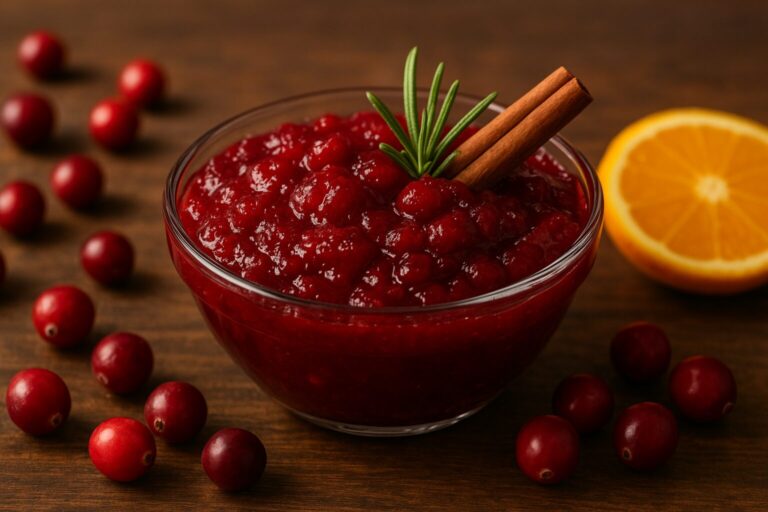
When reheating, do so gently over medium-low heat on the stove rather than using a microwave, if possible. This helps maintain the integrity of the flavors and prevents the bottom from scorching. If the soup has thickened significantly in the fridge, whisk in a tablespoon of water, broth, or nut milk to restore its original silkiness. Many people find that the soup actually tastes better the next day, as the aromatics like garlic, ginger, and herbs have more time to meld with the squash. If you find yourself with extra squash that you don't want to turn into soup, you can also explore Best Cranberry Dessert Recipes for Christmas Using Fresh and Dried Berries for inspiration on using seasonal produce in other creative ways, such as pairing roasted squash with tart berries.
When to Consult a Professional Regarding Dietary Changes
While butternut squash is a wholesome ingredient, it is important to talk to a doctor or a registered dietitian before making significant shifts in your diet, especially if you have underlying health conditions. For individuals managing diabetes, the natural sugars and carbohydrates in winter squash should be factored into a broader meal plan to maintain stable blood glucose levels. Those with kidney concerns may need to monitor their intake of certain minerals, such as potassium, which is found in high amounts in squash and its seeds.
Additionally, if you are experimenting with new ingredients like coconut milk or specific tree nut garnishes, be mindful of potential allergies. If you are taking blood-thinning medications, be aware that large amounts of certain herbs or greens added to the soup could interact with your treatment. A healthcare professional can help you navigate these choices to ensure your transition to a more plant-based or seasonal diet is safe and effective for your specific biological needs. Always listen to your body and introduce new recipes gradually to monitor how your digestion responds to increased fiber or new spices.
Frequently Asked Questions
Can I leave the skin on butternut squash when making soup?
While the skin is technically edible, it is very tough and fibrous. For a smooth, velvety soup, it is best to peel the squash first. If you choose to roast the squash in its skin to save time, you should scoop the soft flesh out and discard the peel before blending to avoid a gritty texture.
How can I thicken my soup without using flour or heavy cream?
You can naturally thicken the soup by using less broth during the blending process or by adding a starchy vegetable like a potato, parsnip, or red lentils. Pureeing a portion of the squash more thoroughly than the rest also creates a creamy mouthfeel without the need for dairy or gluten-based thickeners.
Is it better to use fresh or frozen butternut squash for health benefits?
Both are excellent options. Fresh squash allows you to roast the vegetable for better flavor, while frozen squash is often flash-frozen at peak ripeness, preserving its nutrient profile. Frozen squash is a convenient, time-saving alternative that works perfectly for soups where the squash will be blended anyway.
What are the best herbal pairings for a savory rather than sweet soup?
To lean into savory notes, focus on herbs like sage, thyme, and cracked black pepper. Avoid adding warming spices like cinnamon or nutmeg, which pull out the squash's natural sweetness. Using a robust vegetable stock and plenty of sautéed onions and garlic will also ground the soup in savory territory.
How long does homemade butternut squash soup stay fresh in the refrigerator?
Generally, homemade squash soup will stay fresh in an airtight container for about four to five days when refrigerated. If you don't plan to finish it within that timeframe, it is best to freeze the leftovers immediately to preserve the flavor and prevent spoilage.
Leave a Reply