Embracing Garlic as a Foundation for Healthy Dinners
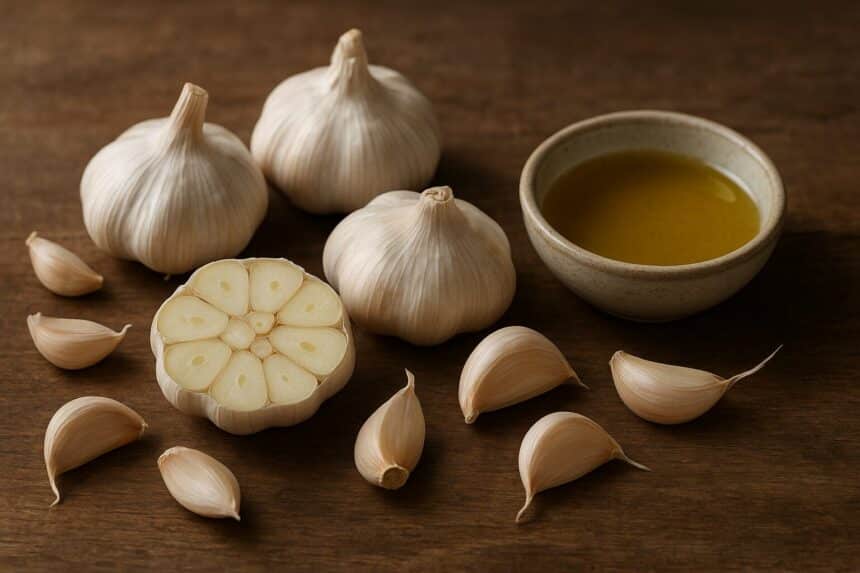
Garlic has long been a cornerstone of the natural wellness kitchen, cherished for its pungent aroma and deep-rooted history in traditional herbal practices. Unlike ingredients that simply sit in the background, garlic often takes center stage in healthy dinner preparations, offering a complex profile that can shift from sharp and spicy to mellow and sweet. The intensity of flavor in a finished dish is directly influenced by the volume of garlic included[1]. When planning a meal, understanding the contrast between raw and roasted cloves is essential. Raw garlic provides a bold, sulfurous bite that can awaken the palate, while roasting transforms the cloves into a soft, caramelized paste. By mastering both forms, you can create satisfying, plant-forward dinners that celebrate this aromatic bulb as more than just a seasoning.
For those interested in the culinary arts of the kitchen, garlic serves as both a flavoring agent and a structural component in many traditional recipes. Whether you are finely dicing it for a quick sauté or crushing it to release all its oils, the method you choose will dictate the final character of your dinner. This bulb is a staple in wellness-focused kitchens because it pairs effortlessly with other whole foods, from dark leafy greens to protein-rich legumes, making it an indispensable tool for anyone looking to elevate their evening meals naturally.
Crafting Nutrient-Dense Garlic Sauces for Main Courses
A true garlic sauce is defined by using garlic as its primary ingredient, resulting in a pungent and deeply flavorful addition to any meal[1]. These sauces are not merely side thoughts; they are the soul of the dish. To create a stable base, the garlic is typically crushed or finely diced and then emulsified with another ingredient such as oil, butter, or mayonnaise[1]. For those focusing on wellness, choosing high-quality plant-based fats like extra virgin olive oil can enhance the nutritional profile of the emulsion. The process of emulsification involves slowly whisking the oil into the garlic paste until a thick, creamy consistency is achieved, a technique that requires patience but yields a luxurious texture without the need for heavy creams.
These versatile preparations serve as excellent condiments for a variety of dinner staples, including:
- Roasted root vegetables like carrots, parsnips, and beets.
- Cruciferous greens such as charred broccoli or sautéed kale.
- Grilled fish and fresh seafood, which benefit from the sharp contrast of the garlic[1].
- Lean proteins such as chicken or mutton, where the sauce acts as a savory glaze[1].
- Poached or soft-boiled eggs, providing a rich and aromatic topping for a simple dinner[1].
By varying the amount of garlic used, you can control the depth of flavor, making it as subtle or as intense as the evening requires[1]. If you are looking to expand your side dish options, consider how these sauces might complement a Garlic Bread Ideas for Dinner Using Fresh Herbs and Natural Oils preparation, creating a cohesive, garlic-themed dining experience.
Traditional Mediterranean Garlic Emulsions: Aioli and Agliata
The Mediterranean region offers some of the most enduring examples of garlic-centric cooking. Aioli is perhaps the most famous, originating from the coasts of Spain and France[1]. In its most traditional form, the name literally translates to "garlic and oil," reflecting its simple composition of these two ingredients[1]. While some regional versions incorporate egg as an additional emulsifier, the heart of the sauce remains the pungent garlic[1]. To make a traditional aioli, one typically uses a mortar and pestle to grind garlic cloves with a pinch of salt until a smooth paste forms, then adds olive oil drop by drop to ensure the mixture does not separate.
Exploring Agliata and Porrata
Another ancient preparation is Agliata, a savory garlic sauce rooted in Italian cuisine that dates back to Ancient Rome[1]. Still popular in the Liguria region today, Agliata is specifically crafted to accompany broiled or boiled meats and vegetables[1]. It provides a sharp, acidic, and aromatic contrast to simple preparations, often incorporating breadcrumbs soaked in vinegar to give it body. If you are looking for a milder alternative that still offers a savory depth, a similar sauce called Porrata can be made using leeks instead of garlic[1]. These traditional emulsions allow you to enjoy time-tested flavors that prioritize whole, natural ingredients. When serving these sauces, try pairing them with steamed artichokes or as a dip for lightly blanched green beans to appreciate the full spectrum of their herbal complexity.
The Art of Roasting Garlic for Mellow Evening Meals
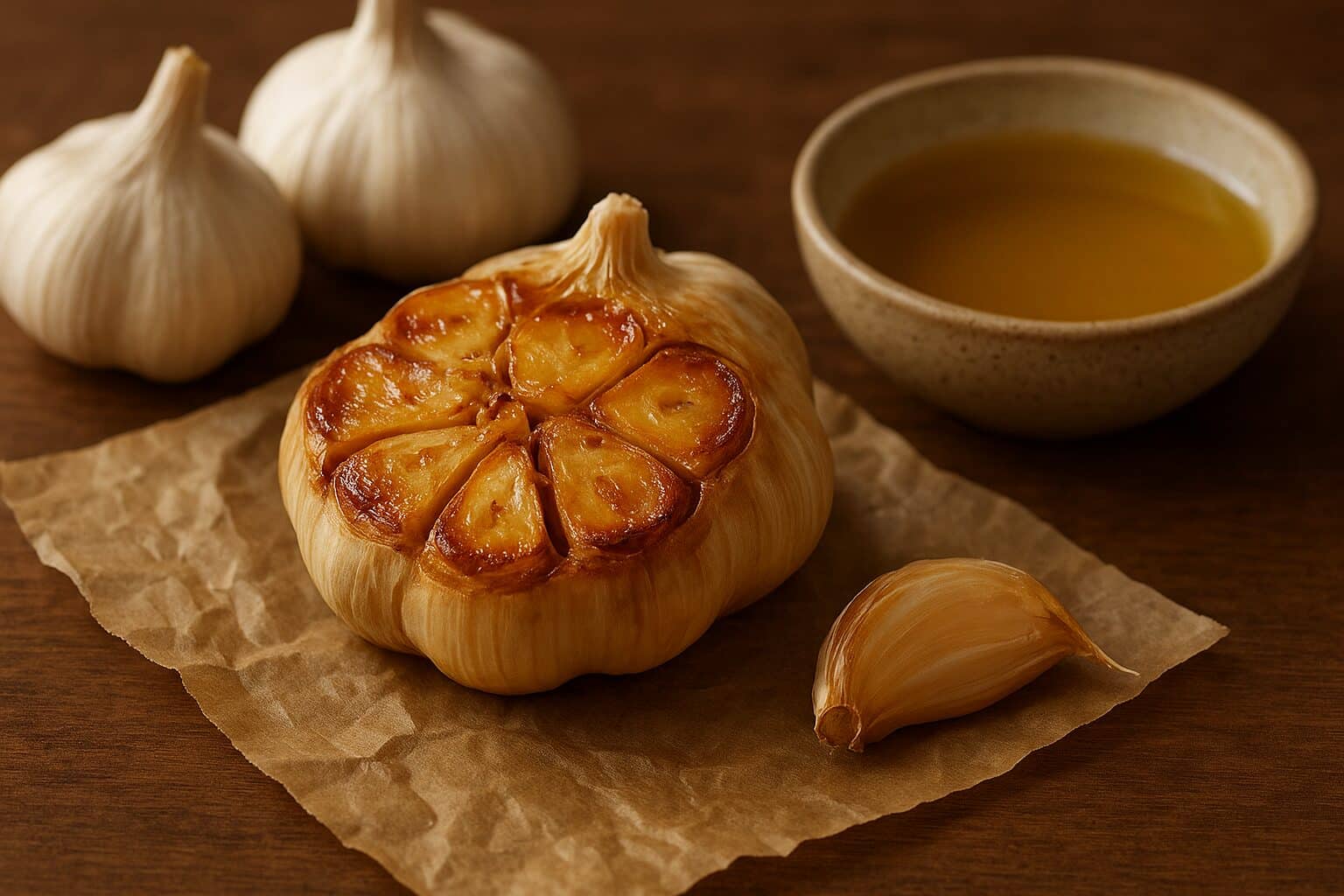
Roasting is a transformative process that completely alters the chemical and flavor profile of garlic. When heat is applied slowly, the sharp, pungent compounds break down, leaving behind a creamy texture and a mild, almost nutty sweetness. This process makes the garlic much easier to digest for some and provides a sophisticated base for various dinner recipes. To prepare garlic for roasting, slice the top off a whole bulb to expose the individual cloves, leaving the outer papery skin intact to protect the flesh from burning. Drizzle with a small amount of olive oil and wrap the bulb in parchment paper or foil before placing it in the oven at a moderate temperature until the cloves are tender.
Once the cloves are soft and golden, they can be squeezed out of their skins and used in numerous healthy ways:
- Mash roasted cloves into a spread for How to Make a Healthy Garlic Bread Recipe Using Fresh Garlic.
- Stir the soft garlic into warm grain bowls featuring quinoa, farro, or wild rice.
- Blend roasted garlic with white beans, lemon juice, and fresh herbs for a protein-rich dip.
- Fold the mashed cloves into mashed cauliflower or potatoes for a flavorful side dish without excessive butter.
Combining roasted garlic with fresh herbs like rosemary or thyme creates a balanced flavor profile that feels sophisticated yet remains simple to prepare. The mellow nature of roasted garlic also makes it an excellent addition to homemade salad dressings, where it provides body and a subtle savory note that raw garlic might overpower.
Raw Garlic Applications for Maximum Pungency
For those who prefer the vibrant heat of the raw bulb, crushing the cloves is the most effective way to release their aromatic compounds[1]. This method is ideal for creating fresh dressings and cold applications where the garlic's natural potency is the star. When using raw garlic in dinner recipes, it is often helpful to balance its intensity with acidic components like fresh lemon juice, lime, or raw apple cider vinegar. This acidity helps to "cook" the garlic slightly, softening the sharpest edges of its flavor profile while maintaining its characteristic bite.
Raw garlic works exceptionally well in cold pasta salads, where it can infuse the noodles as they sit, or in fresh salsas served over grilled proteins. For a quick evening meal, try whisking crushed garlic into a tahini-based dressing to drizzle over roasted chickpeas and spinach. If you are incorporating garlic into a cooked dish but want to retain some of its raw characteristics, try adding the crushed cloves at the very end of the cooking process, just before removing the pan from the heat. For those who want to keep their kitchen organized while experimenting with these ideas, exploring Garlic Storage Ideas to Keep Your Bulbs Fresh for Months can ensure you always have firm, flavorful cloves on hand. Proper storage is key, as sprouted or soft garlic can take on a bitter, unpleasant flavor that is particularly noticeable when consumed raw.
Garlic-Forward Plant-Based Dinner Pairings
Garlic is a natural partner for plant-based cooking, acting as a flavor bridge between earthy vegetables and bright herbs. One creative dinner idea is the "garlic steak," where thick slices of cauliflower, cabbage, or even large portobello mushrooms are brushed with a thick paste of crushed garlic, smoked paprika, and olive oil before being roasted until tender. This creates a deeply savory main course that satisfies the desire for a hearty meal. The garlic caramelizes on the surface of the vegetables, providing a crust of flavor that is both aromatic and satisfying.
You can also use garlic-infused oils to finish soups or stews just before serving, providing an aromatic boost that enhances the overall experience. For a special occasion, consider incorporating these flavors into Hocus Pocus Dinner Ideas for a Magical Plant Based Evening, where the aromatic qualities of garlic can add to a themed, plant-centered menu. Think of garlic as a tool to add "umami"—that savory fifth taste—to dishes that might otherwise feel lacking. By sautéing garlic with mushrooms or sun-dried tomatoes, you create a complex flavor base that mimics the depth found in more traditional meat-heavy dishes.
Safety and Considerations
While garlic is a staple of many healthy diets, it is important to listen to your body. Some individuals may experience digestive sensitivities, such as bloating or heartburn, when consuming large amounts of raw garlic. If you have underlying health conditions, such as gastrointestinal disorders, or are taking blood-thinning medication, it is advisable to consult a healthcare professional or pharmacist before significantly increasing your garlic intake. They can help you determine if high-dose garlic consumption is appropriate for your specific health profile and ensure it does not interfere with your current wellness plan.
Frequently Asked Questions
What is the difference between aioli and standard garlic mayo?
Traditional aioli is an emulsion made specifically from garlic and olive oil. While some modern versions or regional variations include egg to help stabilize the sauce, standard garlic mayonnaise is usually a pre-made mayo base that has been flavored with garlic. Authentic aioli relies on the garlic itself to help create the creamy texture [1].
How can I make garlic sauce less pungent for a milder dinner?
To reduce the pungency of a garlic sauce, you can use fewer cloves or choose to roast the garlic before blending it into the sauce. Roasting mellows the flavor significantly. Additionally, removing the green germ from the center of raw cloves can sometimes help reduce the sharp, bitter aftertaste often associated with raw applications.
Can I use roasted garlic in place of raw garlic in sauces like Agliata?
While traditional Agliata uses raw, crushed garlic for a sharp and savory bite, you can substitute roasted garlic if you prefer a sweeter, milder condiment. The texture will be much creamier, making it a better spread for bread or a topping for roasted meats rather than a sharp dipping sauce [1].
What are some healthy ways to serve garlic sauce with vegetables?
Garlic sauce is an excellent accompaniment for steamed or boiled vegetables. You can drizzle a simple oil-and-garlic emulsion over asparagus, green beans, or broccoli. For a heartier meal, use a thick garlic sauce as a dip for roasted sweet potatoes or as a dressing for a warm kale and chickpea salad.
How should I store leftover garlic-based dinner sauces?
Leftover sauces made with fresh garlic and oil should be stored in an airtight container in the refrigerator. Because fresh garlic in oil can be a safety concern if left at room temperature, it is important to chill the sauce immediately. Most homemade garlic emulsions are best consumed within a few days for the best flavor and quality.
Sources
This article is general information, not medical advice. Talk to your doctor or another qualified health professional about your own situation, especially before changing medication, diet or exercise.