
Embracing a plant-based approach to skin health
Transitioning toward a plant-based approach to skincare often begins with a desire to simplify. Many modern synthetic products contain complex chemical compounds that may feel harsh or stripping on the skin. By shifting to herbal-based alternatives, you focus on a gentler method that prioritizes the health of the skin barrier. This barrier is the body's first line of defense, and keeping it nourished is more beneficial for long-term vitality than simply using makeup to cover imperfections. When we look at traditional wellness, the skin is viewed as a living organ that breathes and reacts to its environment, rather than just a surface to be polished.

Consistency is the most vital element when adopting a natural routine. Unlike synthetic treatments that may offer immediate but temporary optical changes, botanical ingredients work gradually. They support the skin's natural processes over time. Establishing a daily rhythm with your favorite herbs allows the skin to adapt and thrive. For those looking to dive deeper into making their own preparations, exploring Herbal Skincare Recipes for Natural Face and Body Care can provide a practical starting point for crafting personalized botanical blends. Remember that patience is key; the goal is to cultivate a healthy glow that comes from within the cellular layers rather than a quick topical fix.
Lessons from K-beauty: Hydration and the glass skin aesthetic
The global influence of South Korean skincare, often called K-beauty, has reshaped how many people view beauty. Rather than focusing on heavy coverage, this philosophy emphasizes health, hydration, and brightening effects[1]. The primary goal is often referred to as "glass skin," an ideal that favors a luminous, clear, and exceptionally smooth texture achieved through diligent care rather than cosmetics[1]. This aesthetic suggests that the skin should be so hydrated and clear that it resembles a piece of glass.
A core tenet of this approach is a lengthy skincare regimen that prioritizes toning and clarifying over layers of foundation[1]. By using various natural ingredients, the routine ensures that the skin remains deeply hydrated and balanced. This focus on hydration helps the skin appear plump and radiant. Implementing these steps involves a commitment to a multi-stage process where each botanical layer serves a specific purpose, from initial cleansing to the final seal of moisture, reflecting a cultural standard that views skin health as a reflection of overall wellness[1]. The historical development of these standards has deeply influenced modern beauty norms, leading to an industry that leads globally in economic gain and innovation[1]. Practitioners often use multiple layers of light, watery toners—sometimes referred to as the "skin method"—to saturate the epidermis without the heaviness of thick creams.
Soothing botanicals for facial cleansing and toning
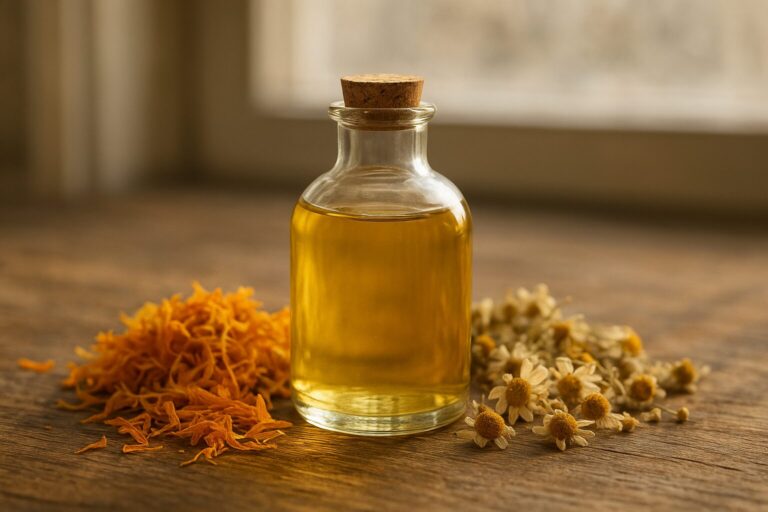
Cleansing and toning are the foundations of any herbal beauty routine. Instead of harsh soaps, many natural enthusiasts turn to herbal infusions. For example, chamomile and calendula are widely used for their ability to calm sensitive or irritated skin. These flowers can be steeped into a gentle wash that removes surface impurities without stripping away necessary oils. When selecting herbs, it is helpful to consider the specific needs of your complexion throughout the changing seasons.
- Dry Skin: Marshmallow root or elderflower provide soothing moisture. Marshmallow root is particularly prized for its mucilage content, which creates a protective, hydrating layer on the skin surface.
- Oily Skin: Yarrow or peppermint can help manage excess surface oils. Yarrow acts as a natural astringent, helping to tighten the appearance of pores while peppermint provides a cooling sensation that can soothe inflammation.
- Combination Skin: Lavender is often used to bring balance to different facial zones, providing moisture where needed while managing oil in the T-zone.
- Mature Skin: Comfrey and rose petals are traditional favorites for supporting skin elasticity and a soft texture.
Natural astringents play a key role in refining the appearance of pores and balancing the skin's pH after cleansing. Rose water is a classic choice for its mild, hydrating properties, while witch hazel is frequently used for its more robust toning effects. These botanical liquids help prepare the skin to better absorb the serums and oils that follow in your regimen. To use them effectively, apply the toner to a reusable cotton round or mist it directly onto the face, allowing it to sink in for a moment before moving to the next step.
Herbal steam and deep pore purification
Facial steaming is a traditional technique used to encourage deep purification. By exposing the face to gentle, herb-infused steam, you help to soften the debris within the pores and improve surface circulation. This process makes it easier to remove impurities and leaves the skin feeling refreshed and revitalized. For a more detailed look at this practice, you might find the Herbal Face Steam Guide for a Natural Kitchen Glow helpful for your weekly self-care ritual.
Choosing Your Steam Herbs
Incorporating dried herbs into a steam bowl allows the aromatic compounds to rise with the water vapor. Lavender is excellent for relaxation, while rosemary and mint provide a refreshing, invigorating sensation. For those dealing with occasional blemishes, adding dried thyme or oregano can provide a clarifying effect due to their natural properties. If your skin feels particularly parched, adding dried cornflowers or rose buds can make the steam feel more hydrating and gentle.
It is important to practice safety: never use boiling water directly against the skin. Allow the water to cool slightly so the steam is comfortable, and keep your face at a safe distance—typically about twelve inches from the bowl—for about five to ten minutes. Using a large towel to create a tent over your head helps trap the steam, but ensure you have enough fresh air. Once finished, always splash the face with cool water or a toner to help the skin recover, then immediately seal in the moisture with a natural oil or cream while the skin is still slightly damp and the pores are receptive.
Natural oils and plant extracts for deep hydration
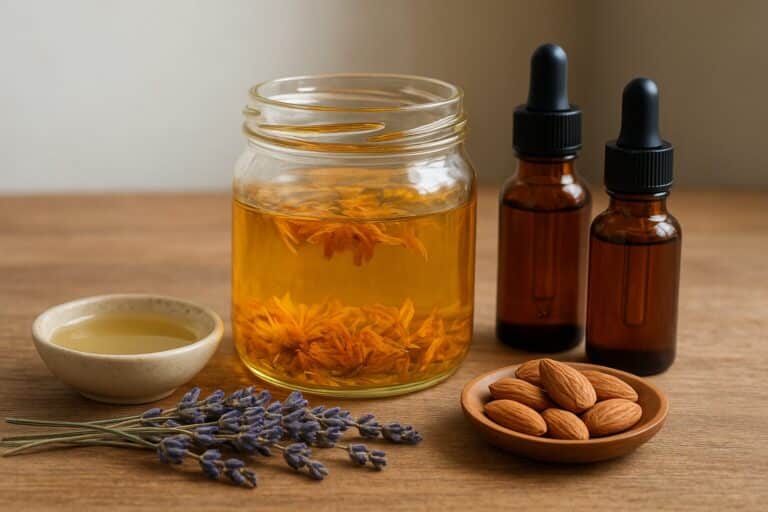
Moisturizing with natural oils is a cornerstone of herbal beauty. The key is selecting non-comedogenic oils, which are those less likely to clog pores. Jojoba oil is a favorite because its composition is very similar to the skin's natural sebum, making it easily absorbed without leaving a heavy residue. Rosehip oil is another popular choice, often used for its rich nutrient profile that supports a bright, even complexion and helps address the appearance of fine lines.
It is important to distinguish between carrier oils and essential oils. Carrier oils, like sweet almond, apricot kernel, or jojoba, make up the bulk of your moisturizer. Essential oils are highly concentrated plant extracts that should only be used in very small amounts and always diluted. For instance, a drop of tea tree oil might be added to a carrier oil for its clarifying properties, or frankincense might be used for its grounding scent and skin-supporting qualities. When mixing your own, a general guideline is to use a 1% dilution for facial applications, which roughly translates to one or two drops of essential oil per teaspoon of carrier oil.
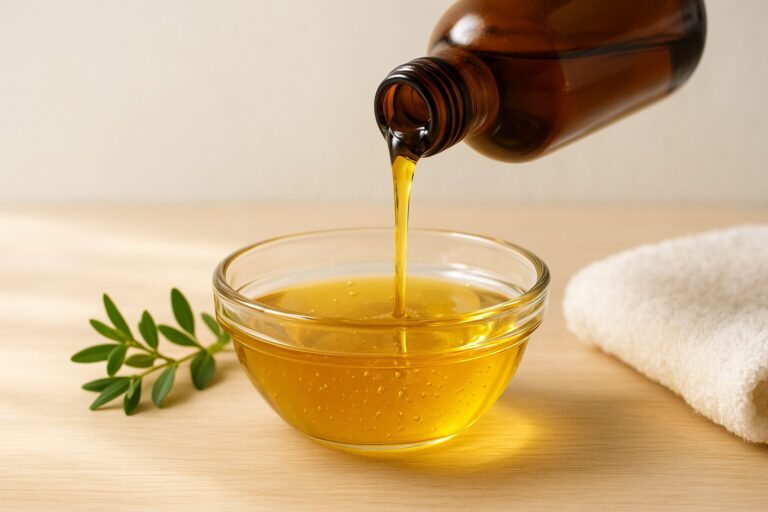
To maximize absorption without a greasy finish, apply oils to slightly damp skin using gentle upward strokes. This helps lock in the water from your toner or steam, ensuring the skin stays hydrated throughout the day. You can also use these oils for a facial massage, which encourages lymphatic drainage and helps to relax the muscles of the face, contributing to a more rested and vibrant appearance.
Traditional influences and holistic wellness
Herbal beauty is rarely just about what you apply topically; it is a holistic practice that connects internal health with external appearance. Traditional systems often emphasize that a clear glow starts from within. Drinking herbal teas or consuming nutrient-dense foods is considered just as important as a facial serum. For those interested in how traditional wisdom approaches wellness, reading about Traditional Chinese Herbal Medicine Recipes and Preparation Methods can offer insight into how various plants are used to support body harmony. Similarly, a warm bowl of Traditional Chinese Chicken Herbal Soup for Winter Wellness can be a comforting way to nourish the body from the inside out during colder months.
Periodic deep treatments, such as herbal masks made from cosmetic clays and powdered botanicals, can provide an extra boost to your routine. Mixing bentonite or kaolin clay with powdered rose petals, neem, or turmeric can help draw out impurities and brighten the skin tone. When using clay masks, it is best not to let them dry completely until they crack, as this can draw too much moisture out of the skin; instead, rinse them off while they still feel slightly tacky.
However, while herbal remedies are powerful, they have limits. If you experience persistent skin issues, severe acne, or unusual rashes, it is important to consult a dermatologist or a qualified healthcare provider. They can help identify underlying causes and ensure your natural routine is safe and effective for your specific needs. Always be mindful of how your skin reacts to new ingredients, and remember that natural does not always mean non-reactive—plants are potent, and respect for their strength is part of the herbal journey.
Frequently Asked Questions
How long does it take to see results from an herbal skincare routine?
Because botanical ingredients work with the skin's natural cycles, you should typically expect to see visible changes after four to six weeks of consistent use. This timeframe allows for a full cycle of skin cell turnover, letting the nourishing effects of the herbs reach the surface. You may notice immediate improvements in hydration, but structural changes in skin texture and tone take longer.
Can I use fresh herbs from my garden for skincare preparations?
Yes, many fresh herbs like mint, lemon balm, or rosemary can be used for steams or immediate infusions. However, ensure they are grown without synthetic pesticides. For oil-based infusions, dried herbs are generally preferred as the moisture in fresh plants can cause the oil to spoil or grow mold. Always wash fresh herbs thoroughly and pat them completely dry before use.
Are herbal beauty products safe for people with highly sensitive skin?
Many herbs are very gentle, but even natural ingredients can cause reactions. It is always best to perform a patch test on a small area of skin, such as the inner wrist or behind the ear, before applying a new herbal preparation to your face. Wait 24 hours to check for any signs of redness or irritation. If a reaction occurs, discontinue use immediately and consult a professional.
What is the best way to store homemade herbal beauty toners?
Homemade water-based toners, like herbal teas or rose water, should be stored in a dark glass bottle in the refrigerator. Because they lack synthetic preservatives, they generally stay fresh for about one week. Cold storage also provides a refreshing, de-puffing effect when applied to the skin. If you notice any change in smell or color, discard the product immediately.
Is it necessary to use a preservative in natural skincare recipes?
If you are making small batches for immediate use, you do not need a preservative. However, any product containing water that is meant to sit at room temperature for more than a few days requires a preservative to prevent bacterial growth. For oil-only products, adding a few drops of Vitamin E can help slow down oxidation and keep the oils from going rancid.
Leave a Reply