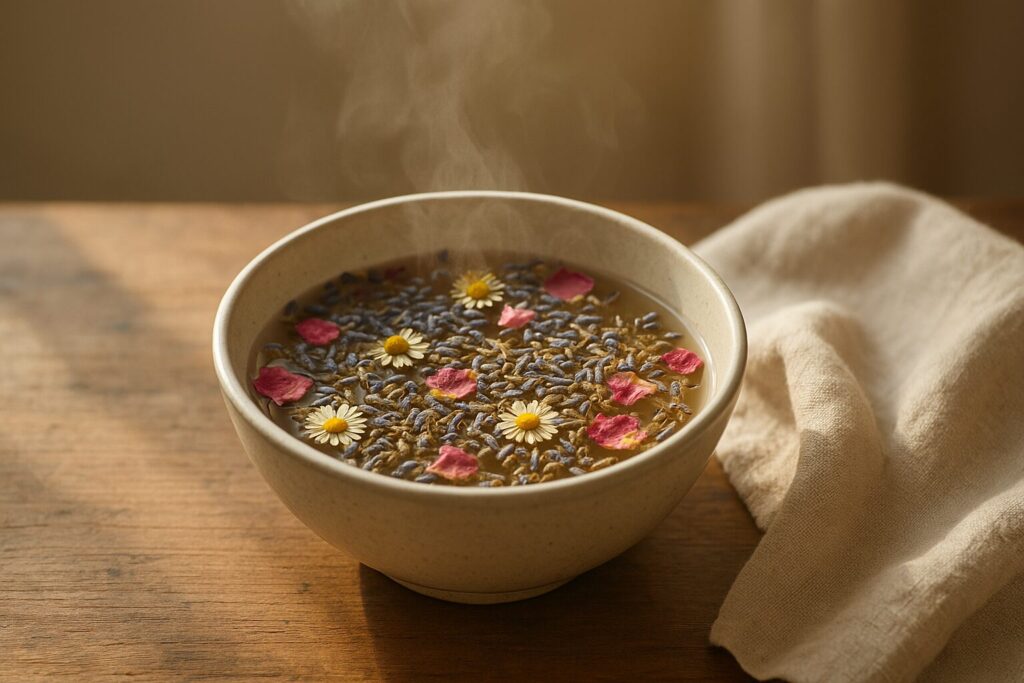
Bringing the Spa to Your Kitchen Counter
Facial steaming is a time-honored wellness practice that bridges the gap between traditional herbalism and modern self-care. By utilizing common culinary herbs found right in your pantry, you can create a professional-level spa experience without leaving your home. This ritual is more than just a beauty step; it is a moment to slow down and set a mindful intention for your skin’s health. Using the gentle power of warm vapor infused with botanicals, you can support your complexion’s natural vitality while enjoying the aromatic benefits of the garden. Whether you are looking to refresh after a long day or prepare your skin for a deeper treatment, a kitchen-based steam is an accessible way to cultivate a natural glow. This method allows you to control every ingredient, ensuring that your skincare remains free from synthetic fragrances and harsh additives.
The Mechanics of Herbal Facial Steaming
Understanding how steam interacts with the skin is essential for achieving the best results. When warm vapor meets the face, it helps to soften the uppermost layer of the skin, known as the stratum corneum. This softening effect makes it easier to manage the surface texture and prepares the face for the removal of impurities. As the heat gently warms the skin, it aids in loosening trapped debris, excess sebum, and environmental pollutants that can accumulate within the pores throughout the day. This process is particularly helpful for those who live in urban environments where particulate matter can settle on the skin surface.
Beyond simple cleansing, steaming promotes a temporary increase in localized circulation. The gentle heat encourages blood flow to the surface, which can result in a temporary rosy hue and a more vibrant appearance. This increased receptivity is the perfect time to apply more intensive products, such as those found in Herbal Skincare Recipes for Natural Face and Body Care. By clearing the path, the steam ensures that your botanical oils and serums can sit more comfortably on the skin’s surface. It is a preparatory step that enhances the efficacy of your entire natural beauty regimen, allowing plant-based nutrients to be absorbed more readily by the softened tissues.
Selecting Your Botanical Steam Blend
The choice of herbs determines the aromatic and sensory direction of your facial steam. Different plants offer unique properties that can be tailored to your skin’s current needs or your mood. For those seeking a calming and soothing experience, a combination of Lavender and Chamomile is a classic choice. These herbs are renowned for their gentle nature and are often used to create a sense of relaxation before bed. The scent of lavender provides a grounding atmosphere, while chamomile adds a sweet, hay-like aroma that feels incredibly comforting to the senses.
Invigorating and Refreshing Blends
If you prefer a morning ritual that wakes up the senses, consider using Rosemary and Peppermint. These herbs provide a crisp, cooling sensation even within the warm steam, making the experience feel deeply refreshing. For those with delicate or dry-feeling skin, softer botanicals like Calendula petals and Rose are ideal. They offer a mild, floral aroma that feels luxurious and nurturing. You might also consider adding citrus peels, such as lemon or orange, which provide a bright, zesty fragrance that can help clear the mind and sharpen focus.
You can use either fresh or dried herbs from your garden or spice rack. Dried herbs are often more concentrated in their aromatic oils, while fresh herbs provide a bright, green scent. Experimenting with different ratios allows you to customize a blend that feels uniquely yours. For instance, a pinch of thyme or sage can add an earthy note that is particularly pleasant during the autumn months, while a handful of fresh basil in the summer provides a spicy, sweet aroma that feels incredibly fresh.
Step-by-Step Guide to a Safe Home Steam
To begin your herbal steam, start with a thoroughly cleansed face. It is vital to remove all makeup, sunscreen, and surface dirt so the steam can work directly on the skin. While your water boils, prepare a heat-safe ceramic or glass bowl and your chosen herbal blend. Once the water reaches a boil, remove it from the heat and let it sit for a short while. Using water that has had a moment to settle, rather than boiling hot, helps reduce the risk of thermal discomfort from the steam. Pouring boiling water directly into a bowl can also sometimes crack certain types of glass, so a brief cooling period is safer for your equipment as well.
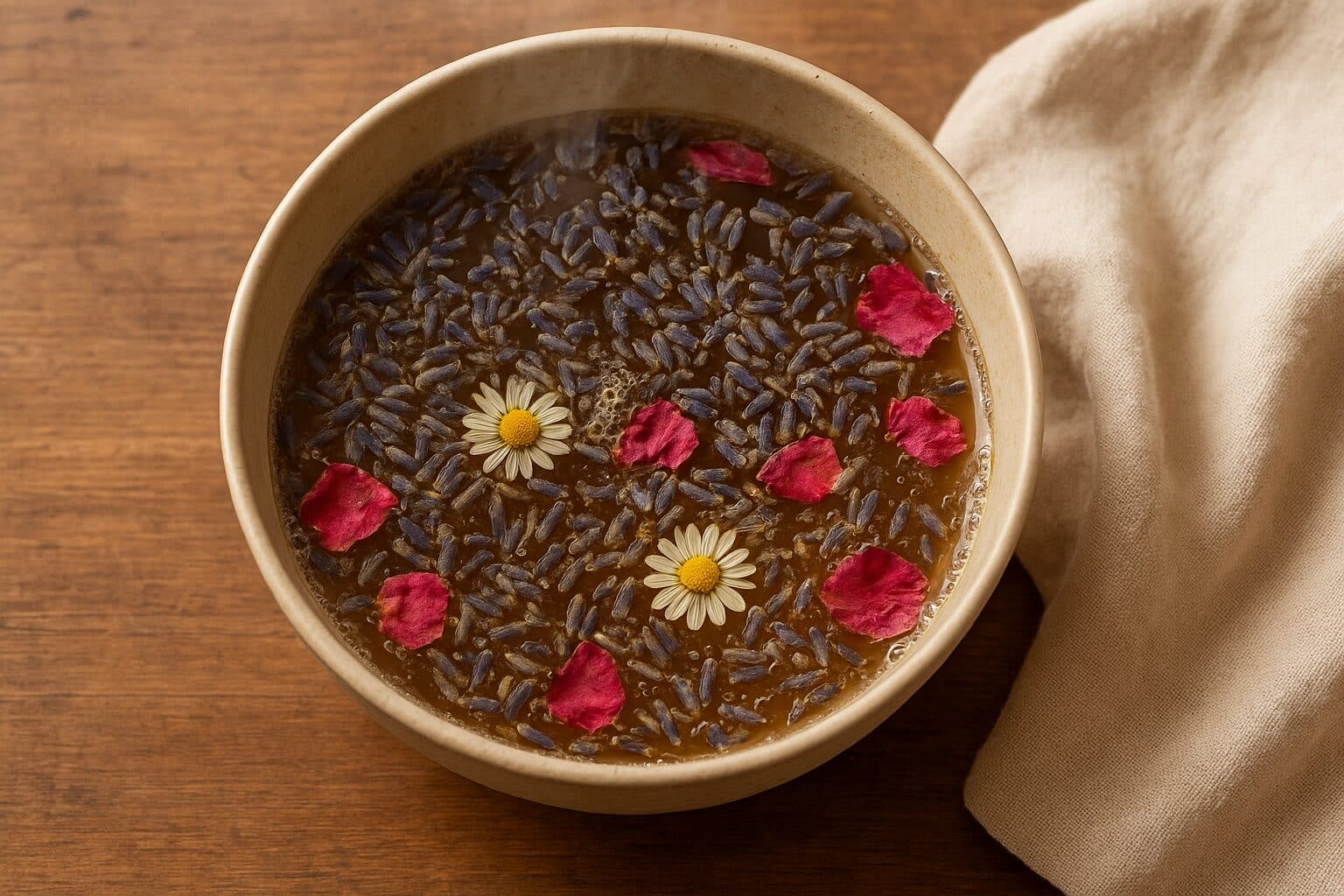
Place your herbs in the bowl and pour the hot water over them, allowing the steam to begin carrying the aromatic oils upward. Create a steam tent by draping a large, clean towel over your head and the bowl, trapping the vapor inside. It is essential to maintain a comfortable distance from the water's surface to avoid irritation; if the heat feels sharp or stinging, you are too close. Keep your eyes closed during the process to protect the delicate eye area and take deep, slow breaths to fully enjoy the herbal infusion. Continue the session for a few minutes until the water begins to cool significantly; if at any point the heat feels too intense, lift the towel to let in cool air or end the session early. This should be a relaxing experience, never a painful one.
Safety Precautions and Skin Type Considerations
While facial steaming is generally beneficial, it is not suitable for everyone. Individuals with rosacea, extreme skin sensitivity, or broken capillaries should exercise caution, as the heat can exacerbate redness and inflammation by dilating the small blood vessels near the surface. If you notice excessive flushing or a stinging sensation that persists, stop the process immediately. It is also important to use filtered or distilled water if possible; this ensures you are not inhaling chlorine or heavy minerals commonly found in tap water, which can sometimes be irritating to the respiratory system or the skin.
Over-steaming can lead to dryness by stripping away the skin's natural protective oils. Limit your sessions to a reasonable duration to maintain a healthy balance. If you have chronic inflammatory skin conditions or are unsure about how your skin will react, it is always best to consult a dermatologist before introducing new heat-based rituals into your routine. Furthermore, ensure your hair is pulled back securely to prevent it from falling into the hot water or trapping excess heat against your forehead. Always place the bowl on a stable, flat surface where it cannot be knocked over, as the hot water poses a spill risk.
Post-Steam Care for Lasting Radiance
The moments immediately following your steam are crucial for locking in the benefits. Start by rinsing your face with lukewarm water. This helps to wash away the loosened impurities and sweat without shocking the skin with extreme temperatures. Avoid using ice-cold water immediately, as the goal is a gentle transition back to room temperature. Once rinsed, pat your face dry with a soft, clean towel—never rub the skin, as it is more vulnerable and soft after being exposed to heat.
After rinsing, apply a natural toner or a floral hydrosol to help balance the skin's surface. While the skin is still slightly damp, apply a botanical oil or a nourishing cream to seal in moisture. This prevents the hydration gained during the steam from evaporating into the air. To extend the sensory experience, you might consider how using Oranges and Cloves for Natural Home Wellness and Fragrance can complement the post-steam atmosphere in your home, creating a fully immersive wellness environment. This is also the ideal time to perform a gentle facial massage, as the muscles are relaxed and the skin is supple.
Integrating Steaming into a Weekly Wellness Routine
Consistency is key to seeing the long-term benefits of herbal steaming, but frequency should depend on your skin type. Those with oily or congestion-prone skin may find that steaming periodically helps keep the pores clear of buildup. Conversely, individuals with dry or sensitive skin should limit the practice to a few times a month to avoid dehydration. During the colder months, you can combine this ritual with other seasonal practices, such as following Ginger Snow-Time Skin Tips for Natural Winter Care to combat the effects of indoor heating and harsh winds.
Don't let your herbal infusion go to waste once the steam has dissipated. The leftover water, once completely cooled, can be used as a soothing foot soak or even added to your garden plants as a nutrient-rich treat. This circular approach to wellness ensures that every part of the botanical ingredients is utilized, honoring the natural cycle of the plants you've chosen. You might even find that the leftover herbs can be used in a body scrub if they still retain some texture, making your kitchen spa day even more productive and sustainable. By viewing this practice as a holistic ritual, you transform a simple beauty step into a comprehensive act of self-care.
Frequently Asked Questions
How often should I steam my face at home?
For most skin types, once a week is a sufficient frequency to enjoy the benefits without over-stimulating the skin. Those with very oily skin might increase this slightly, while those with dry or sensitive skin should stick to a less frequent schedule to prevent moisture loss. Always listen to your skin's feedback; if it feels tight or red, reduce the frequency.
Can I use essential oils instead of whole herbs in my steam bowl?
While essential oils are potent, whole dried or fresh herbs are often preferred for facial steaming because they release a gentler, more balanced concentration of aromatic compounds. If you choose to use essential oils, limit it to one or two drops and ensure they are high-quality, as the steam carries the oil directly to your skin and respiratory system. Never use synthetic fragrance oils.
Is facial steaming safe for someone with active acne breakouts?
Steaming can help loosen debris in clogged pores, but it should be done with caution during active inflammatory breakouts. Excessive heat can sometimes increase redness and blood flow to cystic acne, potentially causing more discomfort. Keep the session short and ensure the water is not too hot to avoid aggravating inflamed areas, and always consult a professional for severe cases.
What should I do if my skin feels tight or dry after steaming?
If your skin feels tight, it may be a sign that the water was too hot or the session was too long. Immediately apply a rich moisturizer or a facial oil to damp skin to restore the lipid barrier and trap moisture. In future sessions, reduce the steaming time and ensure you are keeping a safe distance from the bowl to avoid dehydrating the skin surface.
Can I reuse the herbal water for a second session?
It is best to use a fresh batch of herbs and water for every session. Once the water cools and the herbs have been steeped, the aromatic potency diminishes significantly. Additionally, the water can collect dust or bacteria if left sitting out. Always start with clean, fresh ingredients and purified water for the safest and most effective experience.
Source and attribution: www.pinterest.com
Leave a Reply