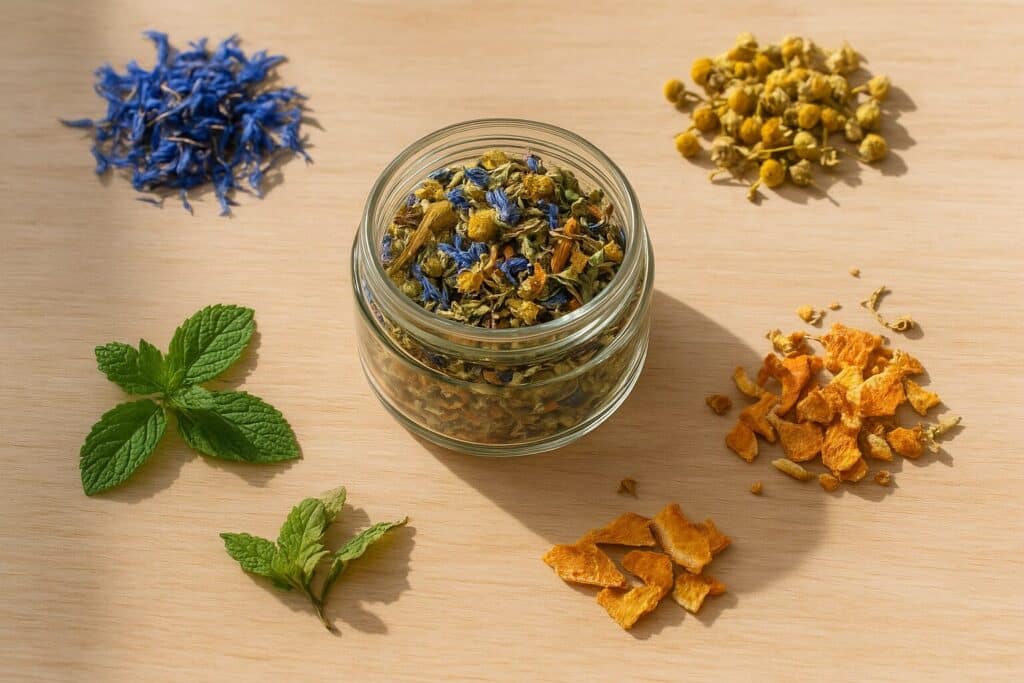
Crafting Your Own Herbal Tea Blends for Daily Wellness
Creating a custom herbal tea blend is a simple yet profound way to bring wellness into your daily routine. Moving beyond the convenience of commercial tea bags allows you to interact directly with the plants, choosing specific textures, aromas, and properties that suit your immediate needs. By shifting to intentional, loose-leaf herbal mixtures, you gain control over the freshness and quality of every cup. The art of blending involves a thoughtful balance between active herbs—those chosen for their specific wellness properties—and flavoring herbs, which provide the aromatic and palatable notes that make the experience enjoyable. Using high-quality, dried botanicals ensures that the volatile oils and flavors remain intact for a more potent and flavorful infusion. When you blend at home, you can tailor each batch to the time of day, the season, or your current state of mind.
Understanding the Foundations of a Balanced Tea Blend
A successful herbal blend typically follows a three-part structure: base herbs, supporting herbs, and accent herbs. The base forms the bulk of the blend, providing the primary flavor and body. While many herbal infusions are technically tisanes, you can incorporate true tea from the Camellia sinensis plant for a different profile. For example, black tea is frequently used as a robust base for morning blends, often described as full-bodied and rich[1].
Choosing Your Base
Traditional breakfast blends often utilize black teas from Assam, Ceylon, and Kenya to create a robust profile that stands up well to the addition of milk and sugar[1]. If you prefer a caffeine-free foundation, consider these options:
- Rooibos: An earthy, slightly sweet red bush tea from South Africa that is naturally caffeine-free and rich in minerals.
- Holy Basil (Tulsi): A peppery, aromatic herb known in traditional wellness for its grounding qualities and distinct clove-like scent.
- Red Raspberry Leaf: A mild, slightly grassy leaf that serves as a neutral canvas for other flavors, often compared to a light black tea in flavor.
- Nettle Leaf: A deeply green, nutritive leaf that provides an earthy, savory base for more functional blends.
Supporting herbs are then added to complement the base, while accents like citrus peel, floral petals, or pungent spices provide the finishing aromatic touch that rounds out the flavor profile.
Soothing Blends for Relaxation and Restorative Sleep
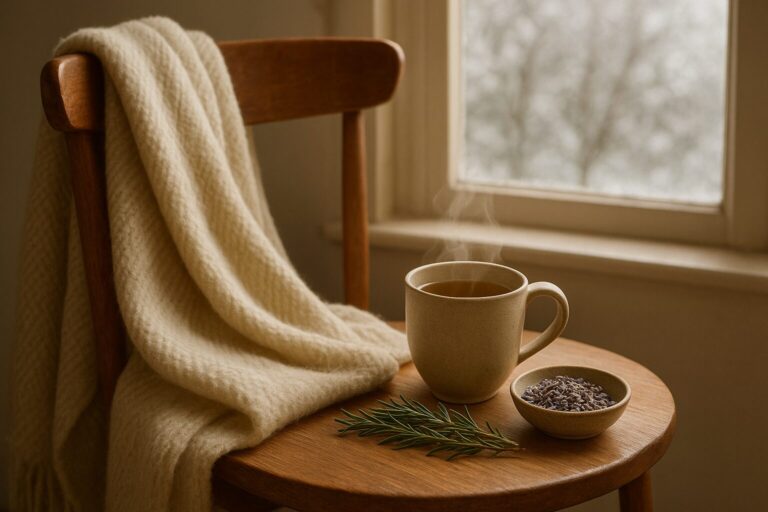
Evening blends focus on herbs that encourage a sense of calm and prepare the body for rest. Combining floral notes like Chamomile and Lavender creates a classic aromatic profile that is widely used in traditional calming routines. These flowers offer a gentle sweetness that pairs well with the citrusy brightness of Lemon Balm or the subtle earthiness of Passionflower. When working with lavender, use it sparingly as an accent, as its high concentration of essential oils can become soapy or overwhelming if used as a base.
For those looking to deepen their evening ritual, a blend inspired by traditional sleep aids might include Valerian root and Oatstraw. Valerian provides a grounding, musky base, while Oatstraw adds a mild, hay-like sweetness and nutritive support. To learn more about incorporating these into your nightly habits, you can explore the Best Herbal Teas to Help Sleep and Improve Your Bedtime Routine. It is also beneficial to consider the temperature of your tea; a warm mug can be a physical signal to the body that it is time to wind down. Remember that these blends are meant to support relaxation and should not replace professional advice for chronic sleep issues or clinical insomnia.
Example Relaxation Blend: The Floral Meadow
Try mixing two parts Chamomile flowers with one part Lemon Balm and a small pinch of Lavender buds. This combination provides a light, honey-like sweetness with a refreshing citrus finish that helps quiet the mind after a long day.
Revitalizing Mixtures for Energy and Digestive Support
When you need a natural lift or support after a heavy meal, certain herbs stand out for their bright and warming qualities. Peppermint and Spearmint are excellent choices for digestive-friendly accents, offering a cooling sensation that refreshes the palate. For a more warming experience, incorporating Ginger and Turmeric adds earthy, pungent notes that have been used for centuries in traditional wellness practices. You can find more details on using these roots in our guide on the Best Herbal Teas for Inflammation and Soothing Traditional Remedies.
To add a tart, vitamin-rich element, Hibiscus and Rosehips provide a deep red color and a citrus-like tang. This revitalizing approach mirrors the historical context of breakfast tea, which originated as a hearty morning custom in British and Irish culture to provide a robust start to the day[1]. Balancing these strong flavors with a bit of honey or a slice of lemon can create a complex, satisfying beverage that supports natural energy levels without the crash associated with high-caffeine drinks.
The Zesty Morning Boost
If you enjoy the structure of a traditional breakfast tea but want an herbal twist, try blending a base of Rooibos with dried orange peel and a hint of cracked black pepper. The pepper enhances the warmth of the blend, while the citrus provides an uplifting aroma. This is also an excellent place to incorporate Beneficial Health Ideas for Tea to Support Your Daily Wellness by adding antioxidant-rich berries like goji or dried blueberries to the steep.
Herbal Tea Blend Ideas for Seasonal Wellness
Adjusting your tea blends to match the seasons is a wonderful way to stay in tune with your environment. Each season brings different needs for the body, from immune support in the winter to cooling hydration in the summer. Using seasonal ingredients also ensures you are using the freshest possible botanicals.

Seasonal Recipe Concepts
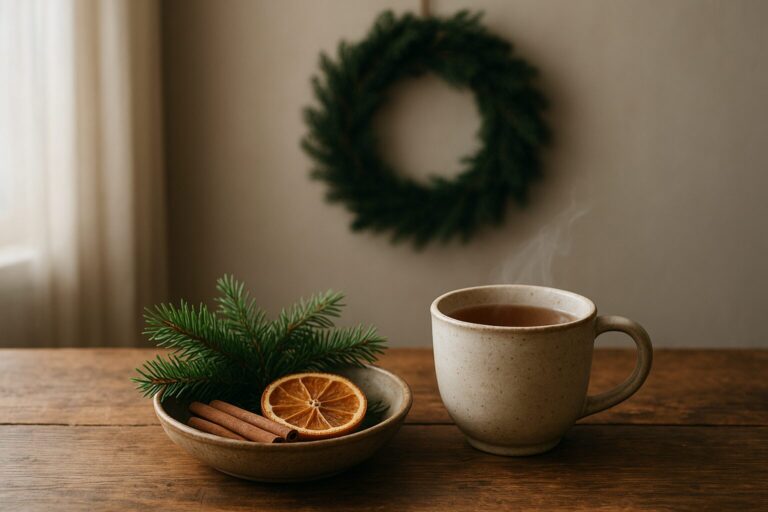
- Winter Defense: A hearty mix of Elderberry, Echinacea, and Cinnamon sticks. This blend is warming and utilizes berries often associated with seasonal wellness. The cinnamon provides a natural sweetness that balances the tartness of the elderberries.
- Spring Detox: Focus on green, mineral-rich herbs like Nettle, Dandelion leaf, and Fennel seeds to support the body's natural transition into warmer weather. Fennel adds a light licorice note that helps brighten the earthy greens.
- Summer Cooling: Brew large batches of Raspberry leaf, Hibiscus, and Lemongrass, then serve over ice for a tart and refreshing hydrator. You might also add fresh cucumber slices or mint sprigs to the glass before serving.
- Autumn Spice: Create a cozy atmosphere using Cloves, Star Anise, and dried Apple pieces mixed with a black tea or Rooibos base. This mimics the flavors of mulled cider and provides a comforting, aromatic experience as the weather cools.
By rotating your herbs seasonally, you prevent the body from becoming overly accustomed to a single plant, which is a common recommendation in traditional herbalism to maintain the effectiveness of the botanicals.
Practical Tips for Sourcing and Brewing Your Blends
The quality of your ingredients directly impacts the effectiveness and taste of your tea. It is important to buy organic or wild-harvested herbs whenever possible to avoid unwanted pesticides. Once you have your herbs, proper storage is key; keep them in airtight glass jars away from direct sunlight. Exposure to light and air can degrade the delicate volatile oils that contain the plant's flavor and wellness properties. Label your jars with the date of purchase so you can keep track of their freshness.
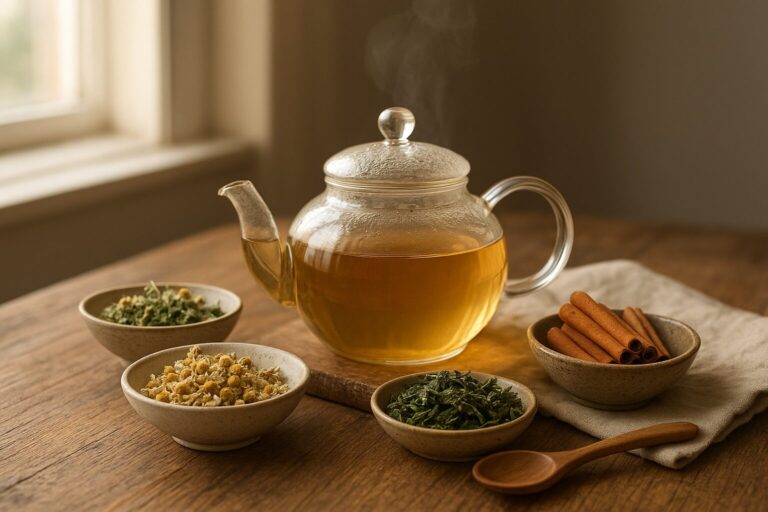
Brewing technique also matters. Generally, delicate parts of the plant like flowers and leaves require a shorter steeping time in hot water to release their flavors without becoming bitter. However, tougher materials like roots, barks, and seeds often require a decoction—simmering the herbs in water on the stove for a longer period—to break down the tough cellular walls and extract their properties. For more specific preparation techniques, refer to practical herbal remedies that actually work for everyday health. Always use fresh, filtered water. Water that has been sitting or re-boiled multiple times loses oxygen, which can make the tea taste flat or dull.
Ratios for Beginners
A good starting point for most blends is a ratio of 3 parts base herb, 1 to 2 parts supporting herb, and a half-part accent herb. For example, if you are making a larger batch, you might use 3 ounces of Red Raspberry Leaf, 1 ounce of Peppermint, and a half-ounce of Rose Petals. Mix these thoroughly in a bowl before transferring them to your storage container to ensure an even distribution of ingredients in every cup.
Safety Considerations and Professional Guidance
While herbal teas are a natural way to support wellness, they are not without risks. It is necessary to consult a healthcare provider before starting new herbal routines, especially if you are pregnant, nursing, or taking prescription medications. Some herbs can have significant interactions with drugs; for example, certain plants may affect how the liver processes medication or may thin the blood. Additionally, be aware of potential allergies to specific plant families, such as the Asteraceae family, which includes Chamomile, Ragweed, and Marigolds. If you have a known allergy to ragweed, you should exercise extreme caution with chamomile.
A general rule of thumb is to start with small amounts of a new blend to monitor how your body responds before making it a regular part of your diet. This is particularly important when using "functional" herbs like Valerian or Echinacea, which are more potent than culinary herbs like Mint. If you experience any adverse reactions, such as skin rashes, digestive upset, or headaches, discontinue use immediately and speak with a professional. For those interested in the topical application of herbs alongside their tea rituals, consider looking into Herbal beauty tips for a natural skincare routine to see how botanicals can support your wellness from the outside in.
Frequently Asked Questions
Can I mix caffeinated tea with herbal ingredients?
Yes, mixing true teas like black, green, or white tea with herbs is a common practice. This allows you to enjoy the benefits of botanicals while still getting a caffeine boost. For example, a blend of black tea with ginger and cinnamon creates a warming start to the day, while green tea pairs beautifully with mint for a refreshing profile. Just remember that true teas require slightly cooler water than most herbal infusions to avoid bitterness.
How long do homemade herbal tea blends stay fresh?
Dried herbal blends stay at their peak quality when kept in airtight glass containers away from light, moisture, and heat. Over several months, the volatile oils naturally evaporate, leading to a gradual loss of flavor and potency. If your herbs no longer have a strong aroma when crushed between your fingers or if their color has visibly faded, it is usually an indication that the blend should be replaced.
Is it safe to drink herbal tea blends every day?
Most culinary herbal teas, such as peppermint or chamomile, are generally safe for daily consumption in moderate amounts. However, some herbs intended for specific wellness goals should not be used long-term without professional guidance. It is always best to rotate your blends every few weeks and consult a health professional if you plan on consuming a specific medicinal herb as part of your daily routine.
What are the best herbs for a beginner to start blending with?
For beginners, it is best to start with versatile, pleasant-tasting herbs like Peppermint, Lemon Balm, Chamomile, and Rosehips. These are widely available, generally well-tolerated, and have distinct flavors that are easy to balance. You can start by adding one of these to a base of Rooibos or Green tea to see how the flavors interact before moving on to more complex mixtures.
How do I sweeten herbal tea naturally without sugar?
You can add natural sweetness by including herbs like Licorice root or Stevia leaf in very small quantities during the steeping process. Dried fruit pieces, such as apple, goji berries, or orange peel, also add a subtle sweetness. If you prefer adding something after brewing, a small amount of raw honey or maple syrup are popular natural options that complement herbal flavors without the use of refined sugars.
Leave a Reply