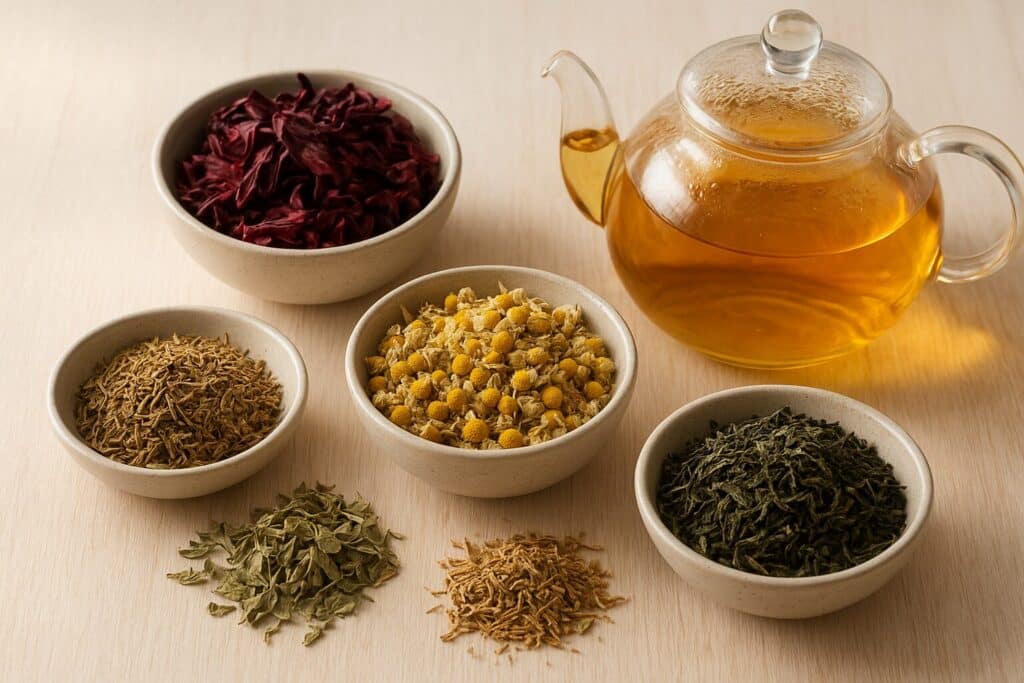
Launching a successful herbal tea brand in the wellness market
The growing interest in plant-based wellness creates a unique opportunity for new herbal tea brands to enter the market. As more people seek natural alternatives for hydration and self-care, the demand for high-quality botanical infusions continues to rise. Success in the tea industry requires a delicate balance between traditional herbal knowledge and modern consumer needs. By focusing on purity and purpose, a new brand can carve out a niche in a competitive space.
Defining a clear brand identity is the first step toward reaching the right audience. Whether you aim to provide comfort, energy, or relaxation, your brand voice should reflect the qualities of the herbs you use. A successful launch often hinges on transparency regarding where your ingredients come from and how they are handled. In the wellness world, trust is the most valuable currency, and a brand that prioritizes integrity will naturally attract loyal customers. Consider how your packaging communicates these values, using sustainable materials or minimalist designs that highlight the raw beauty of the dried botanicals.
Developing functional herbal blends for specific wellness goals
One of the most effective ways to build a brand is by creating targeted formulas that address specific customer concerns. Functional teas are designed with a purpose in mind, moving beyond simple flavor to offer a supportive experience. For instance, developing the best herbal teas for inflammation can help you reach customers looking for soothing, traditional remedies that fit into a holistic lifestyle.

Targeting High-Demand Wellness Niches
- Sleep and Relaxation: Sleep-focused teas are a high-demand niche for those seeking to improve their bedtime routines. Ingredients like chamomile, valerian root, and passionflower are staples in this category. For a unique twist, consider adding aromatic lavender or lemon balm.
- Metabolism Support: Blends featuring green tea, ginger, or hibiscus provide a natural option for customers interested in herbal teas for weight loss and supporting their natural metabolic processes.
- Digestive Comfort: Peppermint, fennel, and ginger are classic choices for after-meal infusions. Adding slippery elm or marshmallow root can provide a more specialized texture and traditional appeal.
- Cognitive Focus: Herbs like rosemary, gotu kola, and ginkgo are often requested by professionals and students looking for a caffeine-free way to stay grounded during long work sessions.
When marketing these functional blends, it is vital to maintain a responsible tone. Always recommend that customers consult with a healthcare provider or pharmacist before starting new herbal routines, especially if they are pregnant, nursing, or taking prescription medications. Providing practical herbal remedies that actually work for everyday health requires a commitment to safety and education.
The modern boba and bubble tea business model
Bubble tea, also known as pearl milk tea or boba, originated in Taiwan during the 1980s[1]. While it is often associated with sugary syrups and powders, there is a significant opportunity for wellness entrepreneurs to reinvent this trend using high-quality herbal bases. The drink typically features a tea base, milk, flavorings, and chewy tapioca pearls[1]. By swapping traditional black tea for nutrient-dense herbal infusions, you can attract a health-conscious demographic.
Entrepreneurs can innovate by using herbal bases like grass jelly or aloe vera instead of traditional black tea[1]. Imagine a hibiscus-based boba with fresh fruit or a chilled rooibos latte with honey-soaked pearls. Popular global chains like Chatime and Gong Cha demonstrate the massive scale potential of this model[1]. Because a 2019 legal ruling established that bubble tea is non-patentable, there is wide creative freedom for new businesses to develop unique, signature recipes[1].
To succeed in the wellness boba space, focus on the texture and the quality of the "bubbles." While tapioca pearls are the standard, you might offer popping boba filled with real fruit juice or nutrient-rich toppings like chia seed pudding or basil seeds. Reducing the sugar content by using natural sweeteners like stevia, monk fruit, or raw honey can set your business apart from the high-calorie chains that dominated the market when boba first arrived in the United States in the 1990s[1]. This model works exceptionally well in urban areas or as a pop-up addition to existing wellness cafes.
Subscription services and curated tea tasting boxes
The subscription model is a powerful tool for building recurring revenue while introducing customers to a wide variety of botanicals. Monthly subscription boxes allow customers to sample various practical herbal remedies for everyday health without committing to a large quantity of a single blend. This discovery-based approach keeps the brand exciting and encourages long-term engagement.
Structuring Your Subscription Offering
When designing a subscription service, consider the following tiers to cater to different customer needs:
- The Explorer Box: A selection of 4-5 sample-sized tea tins, perfect for those who want to try a bit of everything.
- The Ritual Box: A full-sized bag of a signature blend paired with a lifestyle item, such as a high-quality tea strainer, a beeswax candle, or a small jar of local honey.
- The Wellness Journey: A themed box that changes monthly, focusing on topics like "Immune Support" in the fall or "Gentle Cleansing" in the spring.
Curated boxes can be themed around seasons to align with the body's changing needs. You might offer immunity-focused blends for winter, featuring elderberry and rosehips, or cooling herbs like spearmint and lemongrass for the summer heat. Including educational cards about the herbs' traditional uses, flavor profiles, and brewing tips adds significant value and builds your brand authority as a knowledgeable guide in the herbal space. This educational component helps customers move beyond just drinking tea to understanding the botanical world more deeply.
Farm-to-cup and artisanal small-batch production
For the premium wellness market, a farm-to-cup approach offers unparalleled quality. Sourcing directly from local organic farms ensures ingredient freshness and supports the local economy. This model appeals to the environmentally conscious consumer who values sustainability and knows exactly where their tea was grown. Small-batch production allows for high quality control and the use of rare or delicate botanicals that might not survive large-scale industrial processing.
Transparency in sourcing and the drying process can be a major selling point. Highlighting the specific farm, the harvest date, and the artisanal drying methods used to preserve the plant's essential oils creates a story that customers can connect with. For example, if you source ginger, you might explain the importance of avoiding ginger black tips to ensure the highest quality of the root. This level of detail elevates the product from a simple beverage to a craft experience, justifying a higher price point and fostering deep brand loyalty.
To implement this, start by visiting local farmers' markets or herb farms. Discussing growing practices such as soil health and harvesting times can provide you with marketing material and ensure your product is superior to mass-produced alternatives. Small-batch producers can also experiment with seasonal limited editions, such as fresh-dried peppermint in the summer or locally foraged pine needle tea in the winter, which creates a sense of urgency and exclusivity for your customers.
Herbal tea for beauty and holistic skincare brands
The concept of "beauty from within" is a growing trend in the wellness industry. By linking herbal teas to a natural skincare routine, you can market your products as essential tools for holistic self-care. Many herbs are traditionally associated with skin and hair health due to their antioxidant properties.
Ingredients for Beauty Infusions
- Hibiscus: Known for its vibrant color and tart flavor, often used in blends targeting skin radiance and hydration.
- Nettle: Traditionally valued for its mineral content, particularly silica, which is frequently included in hair and nail support teas.
- Calendula: Often used topically, but also a gentle addition to internal wellness blends for its soothing reputation.
- Horsetail: Another mineral-rich botanical often paired with nettle for those focusing on structural beauty support.
Marketing tea as a ritualistic part of self-care rather than just a beverage transforms the consumer's experience. It becomes a moment of mindfulness in their day, aligning perfectly with other beauty rituals like face masking or meditation. You can even bundle your teas with topical products, such as an herbal facial steam blend that uses the same botanicals as the drinkable tea, reinforcing the "inside-out" approach to beauty.
Essential considerations for tea safety and regulations
Operating a tea business involves more than just mixing delicious herbs; it requires a thorough understanding of safety and legal regulations. In the United States, it is crucial to understand FDA labeling requirements. There is a distinct difference between labeling a product as a "dietary supplement" versus a "food product," and each carries its own set of rules regarding health claims and nutritional facts. Most herbal teas are classified as food unless they make specific health claims that push them into the supplement category.
Quality control is non-negotiable. Testing for heavy metals, molds, and pesticides in imported botanical ingredients is essential to ensure customer safety. If you are blending at home or in a commercial kitchen, maintaining strict sanitation standards is vital. Furthermore, brands must be diligent about clear communication. Labels should clearly state potential interactions between certain herbs and prescription medications. For example, some herbs can interfere with blood thinners or diabetes medications.
Beyond labeling, consider your liability. Obtaining product liability insurance is a wise step for any entrepreneur selling ingestible products. Providing a transparent, safety-first approach not only protects your customers but also builds a professional reputation that can sustain a long-term business in the natural wellness industry. Documenting your sourcing and testing processes can serve as a powerful marketing tool, proving to your customers that you prioritize their health above all else.
Frequently Asked Questions
Do I need a special license to sell herbal tea from home?
Yes, requirements vary by state and city. Most areas require a food handler's permit and a business license. Many entrepreneurs start under 'Cottage Food Laws,' which allow for the sale of certain low-risk foods from a home kitchen, but you must check your local health department's specific regulations regarding herbal blends and packaging.
How can I ensure my herbal tea blends are safe for customers?
Safety starts with sourcing from reputable suppliers who provide Certificates of Analysis (COA) for their herbs. This ensures the ingredients are free from contaminants like heavy metals and pesticides. Additionally, avoid using toxic plants and always include clear ingredient lists and cautionary statements on your packaging for sensitive groups.
What are the most popular herbal tea ingredients for beginners?
Peppermint, chamomile, ginger, and hibiscus are excellent starting points. They are widely recognized, generally considered safe for most people, and have pleasant, familiar flavors. These ingredients also blend well with a variety of other botanicals, making them versatile for creating your first signature formulas.
Can I claim my herbal tea cures specific health conditions?
No. In the US, the FDA strictly prohibits making medical claims that a food or supplement can cure, treat, or prevent a disease unless it has undergone rigorous drug testing. Instead, focus on describing the traditional uses or the supportive nature of the herbs, and always use the mandatory FDA disclaimer on your labels.
Leave a Reply