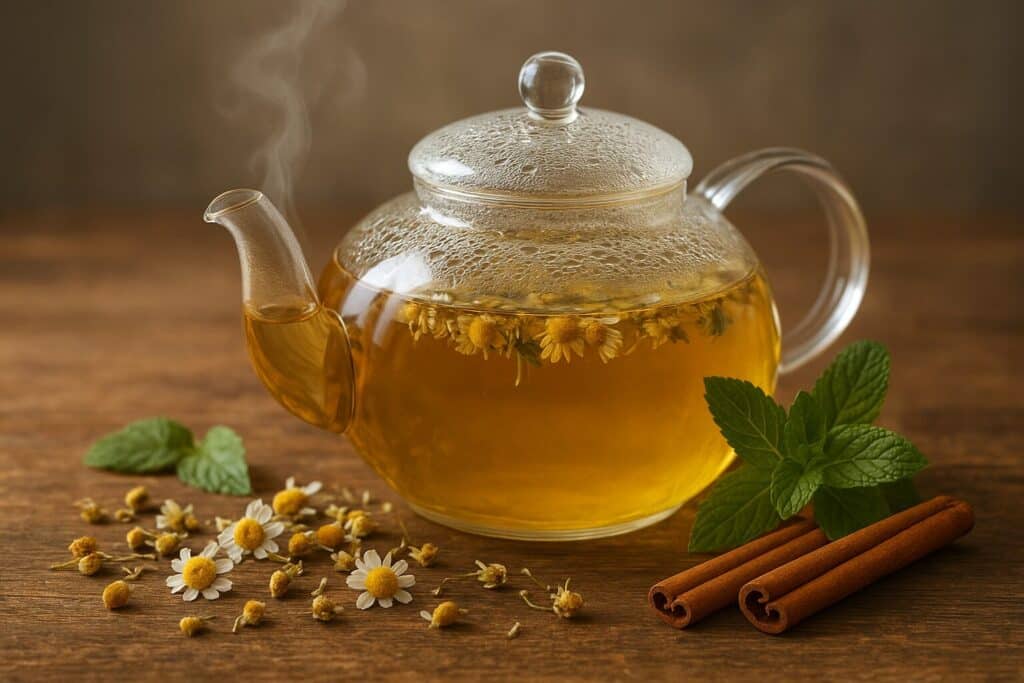
Mastering the Art of the Herbal Infusion
An herb is defined as a plant or plant part utilized for its unique scent, flavor, or specific therapeutic properties[1]. While many people use the term tea interchangeably for any hot steeped beverage, true herbal teas are technically infusions or tisanes, as they do not come from the Camellia sinensis plant. These preparations serve as a popular form of dietary supplement, available as fresh or dried plants, powders, and extracts[1]. Understanding how to properly prepare these botanicals is the first step in using them to maintain or improve personal health through natural wellness practices. The process of making a perfect cup involves balancing the ratio of plant material to water, selecting the correct temperature, and allowing enough time for the water to extract the desired compounds without becoming overly bitter.
Selecting Quality Ingredients for Better Flavor
The quality of your final cup begins with the form of the plant you choose. Herbal medicines are commonly sold in various formats, including tablets, capsules, and loose dried plants[1]. For the best flavor profile, whole dried leaves or flowers often provide a more nuanced taste than finely powdered versions found in some commercial tea bags. When you use whole pieces, the surface area exposed to oxygen is limited, which helps preserve the essential oils until the moment of steeping.
Fresh vs. Dried Plants
Choosing between fresh and dried herbs can significantly alter the sensory experience. Fresh herbs often provide a bright, grassy note, while dried herbs tend to have a more concentrated, earthy flavor. However, it is vital to remember that a "natural" label does not automatically ensure a product is safe or high quality[1]. When selecting ingredients, look for vibrant colors and strong aromas. For instance, dried peppermint should still smell sharply of menthol, and hibiscus should retain a deep, ruby-red hue. If the herbs appear dusty, gray, or lack scent, they likely won't provide the wellness benefits or flavor you are seeking.
For those interested in exploring different combinations, you might find inspiration in various herbal tea blend ideas for natural wellness and flavor to help you get started with your own home pantry. Using high-quality loose leaf herbs also allows you to see exactly what you are consuming, ensuring there are no hidden fillers or artificial flavorings.
Temperature and Timing for Different Plant Parts
Not all plant parts are created equal when it comes to heat. The method you use should depend on whether you are working with delicate leaves or sturdy roots. Using boiling water on delicate blossoms can sometimes result in a bitter or scorched taste, whereas hardy materials require more heat to release their characteristics. A general rule is to use water just off the boil for leaves and flowers, while roots and barks benefit from a sustained simmer.

Infusion vs. Decoction
- Infusions: This method involves pouring hot water over delicate parts like flowers (chamomile, hibiscus) or leaves (peppermint, lemon balm). Generally, these should steep for several minutes in a covered vessel. Covering the cup is a vital step; it prevents the steam from carrying away the volatile oils that contain the herb's flavor and aroma.
- Decoctions: For denser materials like bark, roots, or dried berries, a simple steep is often insufficient. Instead, these parts are typically simmered in water for a longer duration to break down the tough cellular structures. This is common for herbs like dandelion root, burdock, or cinnamon sticks.
Adjusting your timing is also essential for specific goals. For example, if you are looking for best herbal teas to help sleep, a longer steep for valerian root might be necessary compared to a quick infusion of lavender flowers. If a tea tastes too weak, try adding more herbs next time rather than steeping longer, as over-steeping can release tannins that cause an unpleasant astringency.
Safety First: Understanding Herbal Interactions
One of the most important herbal tea tips involves recognizing that natural substances are biologically active. Herbal medicines do not undergo the same rigorous clinical testing that pharmaceutical drugs must pass before reaching the market[1]. Consequently, safety should always be a primary consideration, especially for those with chronic health conditions or those who are pregnant or nursing.
Consulting Professionals
It is essential to talk to your healthcare provider before beginning any new herbal regimen. Some plants, such as ephedra and comfrey, have been known to cause serious harm[1]. Furthermore, certain herbs can interact negatively with prescription or over-the-counter medications[1]. For example, some herbs might thin the blood or affect how the liver processes certain medications, potentially leading to dangerous side effects. Always provide your doctor with a full list of any herbal teas or supplements you consume to prevent dangerous interactions. If you are exploring best herbal teas for inflammation, ensure the ingredients do not conflict with any anti-inflammatory medications you may already be taking. Being proactive about your safety ensures that your herbal journey remains a positive addition to your wellness routine.
Creating Balanced Herbal Tea Blends
Blending is both a science and an art. A well-balanced blend typically consists of three components: the lead herb, the support herb, and the accent herb. The lead herb provides the primary wellness goal or flavor, the support herb rounds out the body of the tea (often providing a smooth mouthfeel), and the accent herb adds a top note of flavor, such as citrus, spice, or a hint of sweetness. This structure ensures that no single flavor is too jarring and that the tea is pleasant to drink throughout the day.
Traditional Flavor Pairings
Many classic combinations have stood the test of time because of how their flavors complement one another. Common pairings include:
- Peppermint and Fennel: A refreshing, cooling cup that balances the sharp menthol of mint with the sweet, licorice-like notes of fennel.
- Ginger and Lemon: A sharp, warming sensation where the heat of the ginger is brightened by the acidity of the citrus.
- Chamomile and Lemon Balm: A soft, floral profile with gentle citrus undertones, perfect for evening relaxation.
- Nettle and Oatstraw: An earthy, green blend that tastes nutritive and mild, often used as a base for more flavorful accents.
When experimenting, start with small ratios to avoid over-concentrating the brew. A common starting point is a 3:2:1 ratio for lead, support, and accent herbs. For more specific seasonal ideas, you can look into winter ginger tea benefits and traditional preparation to see how spice-based blends are constructed to provide warmth during colder months.
Best Practices for Storing and Preserving Your Herbs
To maintain the scent, flavor, and therapeutic properties of your herbs, proper storage is non-negotiable[1]. Exposure to light, heat, and moisture are the primary enemies of dried botanicals, as they cause the essential oils to dissipate and the plant material to degrade. For those with a large collection, implementing best herbal tea storage ideas can help extend the life of your ingredients. Airtight containers are essential to keep out humidity, which can lead to mold growth in dried plants.
Longevity and Potency
Generally, dried leaves and flowers have a shorter shelf life (usually around a year) than dense roots and barks, which may stay potent for two to three years if stored perfectly. You can tell your herbs are losing potency if their color fades to a dull gray or brown, or if the characteristic aroma is no longer present when you crush a small amount between your fingers. Storing your herbs in airtight glass jars—preferably amber or cobalt colored to block UV rays—in a cool, dark cupboard is usually the most effective way to preserve their quality. Avoid storing tea near the stove or oven, as the frequent temperature fluctuations can quickly degrade the delicate plant tissues.
Practical Tools and Preparation Rituals
While you can certainly make herbal tea with just a pot and a strainer, having the right tools can make the process more consistent and enjoyable. A high-quality stainless steel or mesh infuser allows enough room for the dried herbs to expand as they rehydrate, which is crucial for a full flavor extraction. If the herbs are packed too tightly, the water cannot circulate properly, resulting in a weak brew.
Choosing Your Vessel
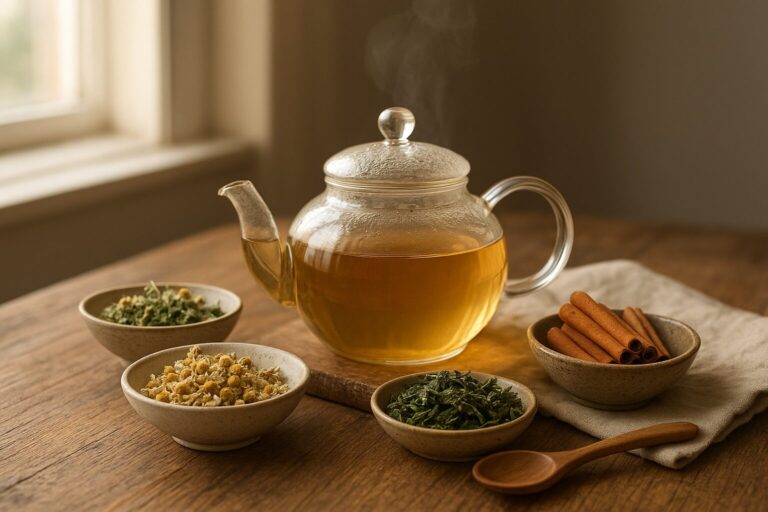
The material of your teapot or mug can also influence the experience. Ceramic and cast iron retain heat well, making them ideal for longer steeps or decoctions. Glass vessels allow you to watch the leaves unfurl and the water change color, which can be a meditative part of the preparation ritual. Regardless of the tool, always pre-warm your vessel by swirling a little hot water inside before adding your herbs and fresh water. This prevents the water temperature from dropping too quickly when it hits a cold pot. If you are using tea for specific metabolic goals, such as those found in herbal teas for weight loss and supporting natural metabolism, consistency in your preparation method helps you track how your body responds to the ritual over time.
Frequently Asked Questions
Can I drink herbal tea every day?
Many people enjoy herbal tea daily as part of a wellness routine. However, because herbs are considered dietary supplements and can have potent effects, it is best to rotate your blends rather than consuming the same herb in large quantities indefinitely. This prevents the buildup of specific compounds in your system. Always check with a professional to ensure your daily choice is appropriate for your specific health needs and doesn't interfere with any medications.
How do I know if an herbal tea will interact with my medication?
The most reliable way to identify interactions is to consult your doctor or pharmacist. Some herbs can change how your body processes prescription drugs, either making them less effective or dangerously increasing their potency. Reliable sources like the NIH provide information, but your healthcare provider should always be informed of what you are taking to ensure safety [1]. Never assume a tea is safe just because it is sold in a grocery store.
Is it better to use fresh or dried herbs for tea?
Neither is objectively better; they simply offer different flavor profiles. Fresh herbs are excellent for light, summery infusions and often require a larger volume of plant material because of their water content. Dried herbs are more convenient for year-round use and provide a more concentrated flavor. Just ensure that whether fresh or dried, the plants are sourced from reputable suppliers to ensure they are free from contaminants.
Does 'natural' always mean a tea is safe for everyone?
No, the label 'natural' does not guarantee safety [1]. Some plants are naturally toxic to humans, and others may cause allergic reactions or side effects. It is important to research each specific herb and understand that herbal medicines do not undergo the same clinical testing as standard drugs [1]. Always start with a small amount when trying a new herb to check for any personal sensitivities.
How long should I steep my herbal tea for maximum benefit?
Steeping times vary by the plant part used. Delicate flowers and leaves typically need 5 to 10 minutes, while harder roots and barks used in decoctions may need 15 to 20 minutes of simmering. Steeping longer than 20 minutes for leaves can sometimes lead to a bitter taste due to the release of tannins. Always keep your vessel covered while steeping to ensure the beneficial volatile oils remain in the water.
Leave a Reply