Integrating Herbal Teas into a Mindful Weight Management Routine
Adopting a new approach to wellness often starts with small, sustainable changes to daily habits. Herbal teas offer a gentle way to support these goals by serving as a flavorful, near-zero-calorie alternative to sodas, sweetened lattes, and processed juices. Beyond just the liquid in the cup, the act of brewing tea encourages a slower pace of life. This ritual can become a powerful tool for mindful eating, helping you check in with your body’s actual hunger signals rather than reacting to emotional triggers or boredom. When you replace a high-calorie afternoon snack with a warm infusion, you provide your senses with variety and warmth without the heavy caloric load that can hinder weight management efforts.
The tradition of tea drinking is deeply rooted in human history, tracing its legendary origins back to ancient China during the reign of the mythological Emperor Shennong[1]. These ancient practices emphasize the importance of the brewing process itself. To maximize the experience, consider the temperature of your water and the duration of the steep. Over-steeping can lead to bitterness, which often tempts drinkers to add sugar or honey, defeating the purpose of a low-calorie beverage. By learning the nuances of each herb, you turn a simple drink into a sophisticated wellness practice that supports your long-term health goals.
Green Tea and Its Role in Metabolic Support
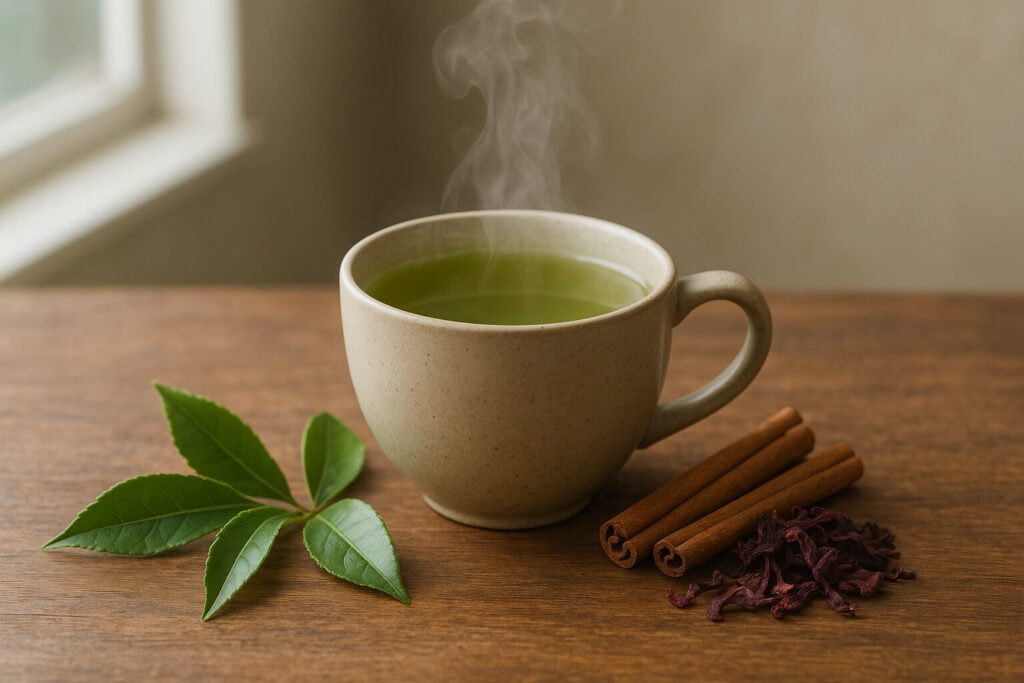
Green tea is distinct from other varieties because it consists of leaves and buds from the Camellia sinensis plant that have not undergone the extensive withering and oxidation processes used to create oolong or black teas[1]. This minimal processing helps preserve the natural characteristics of the leaf. While many people turn to green tea as a metabolic booster, it is important to maintain realistic expectations regarding its effects. While it may slightly lower blood pressure or improve mental alertness, it does not provide significant health effects[1].
A Healthy Substitute for Sugary Beverages
The primary value of green tea in a weight management context is its role as a healthy substitute for calorie-dense drinks. Instead of looking for a physiological fat-burning miracle, view green tea as a supportive companion that keeps you hydrated and focused. Its light, grassy flavor profile can be a refreshing way to stay on track without adding unnecessary sugar to your diet. For those who find the taste too astringent, try brewing it with water that has cooled slightly after boiling, as this preserves the delicate leaves and results in a smoother cup. You can also explore Healing Chinese Teas for Natural Winter Wellness to see how green tea fits into a broader seasonal health strategy.
Traditional Herbal Infusions for Digestive Wellness
While green tea comes from a specific plant, many herbal teas are actually infusions of various flowers, roots, and seeds. These caffeine-free options are excellent for supporting digestive comfort, which is a cornerstone of feeling good during a weight loss journey. Supporting your digestive system can lead to a greater sense of lightness and energy, making it easier to stay active and motivated. Peppermint and ginger are classic choices known for their ability to settle the stomach, particularly after a heavy meal. Dandelion root is another traditional favorite often used to address feelings of heaviness or temporary bloating.
The Art of Proper Preparation
To get the most out of your digestive herbs, the method of preparation matters. Delicate leaves and flowers, like peppermint or chamomile, should be steeped in a covered vessel to prevent the volatile oils from escaping with the steam. Tougher materials like roots, barks, and seeds often require a decoction—a process where the herbs are simmered in water for a longer period. If you are interested in these more formal methods, you can explore Traditional Chinese Herbal Medicine Recipes and Preparation Methods to learn how to properly extract the beneficial properties of these botanicals. Using these traditional methods ensures you get the most out of your herbs while enjoying a comforting, functional beverage.
Managing Cravings with Flavorful Herbal Blends
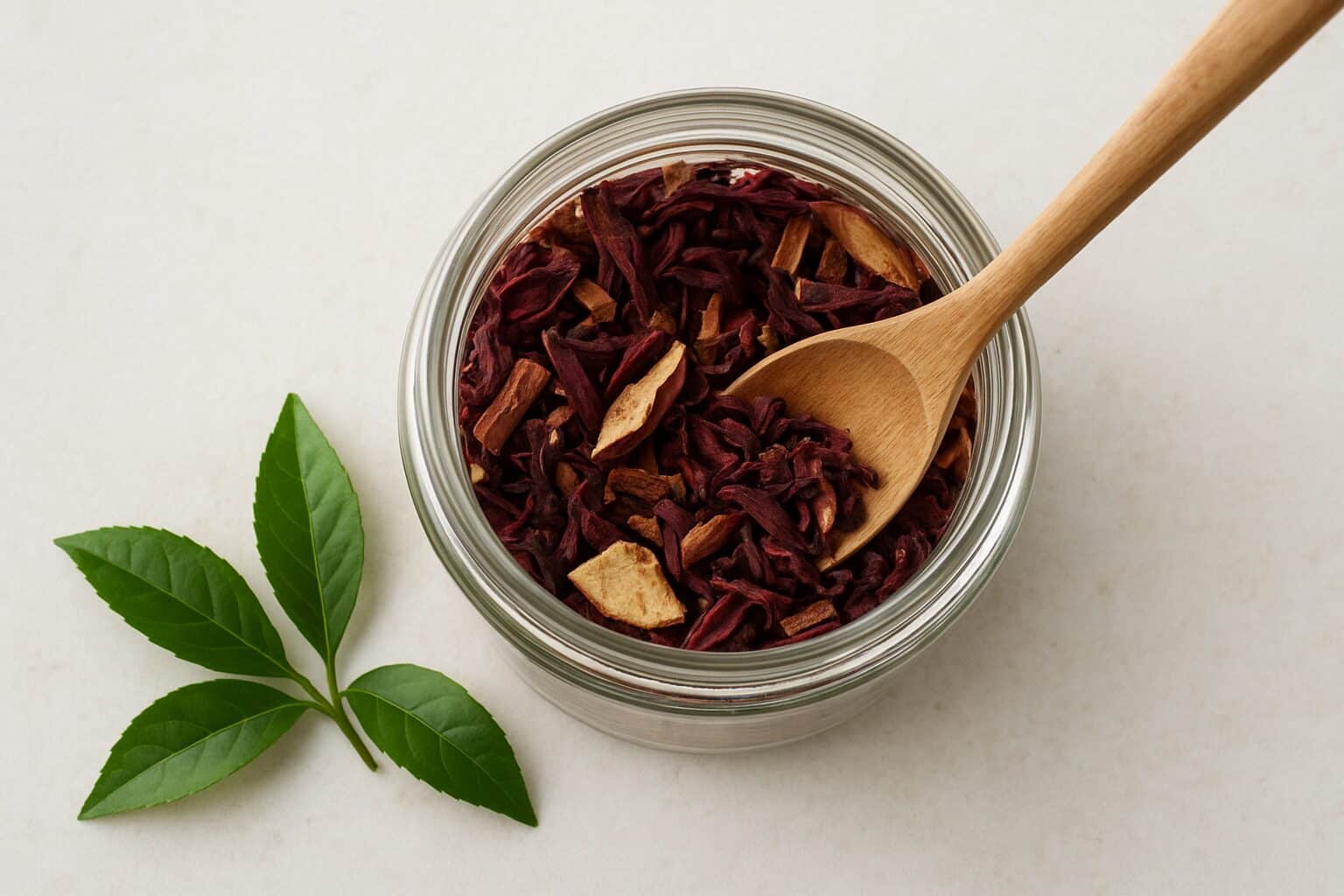
One of the biggest hurdles in weight management is the mid-afternoon or late-evening sweet craving. Herbal blends can help satisfy the palate without the need for refined sugars. Spices like cinnamon provide a natural, woody sweetness that can help you feel satisfied after a meal. Hibiscus, with its tart, cranberry-like profile, offers a bold flavor and a vibrant red color that can distract from the desire for candy or soda. These sensory experiences are vital for staying consistent with a healthy eating plan.
Creating Satisfying Custom Blends
You can experiment with different combinations to find what works for your taste buds. For example, a warming blend of apple and cinnamon can be particularly comforting during cooler months. You might find inspiration in Chinese Apple Cinnamon Wellness Tea Benefits and Traditional Uses to see how these ingredients have been paired historically. Additionally, incorporating slightly bitter herbs like chicory or roasted dandelion can help reset your palate. Over time, this can make high-sugar snacks seem less appealing. Try adding a slice of fresh lemon or a sprig of mint to your infusions to add brightness and complexity without adding calories.
Evening Rituals: Preventing Late-Night Snacking
The hours between dinner and bedtime are often when weight management plans are most challenged. Establishing an evening tea ritual can signal to your brain that the kitchen is closed for the night. Calming, caffeine-free herbs like chamomile, valerian root, and lemon balm are excellent choices for this time of day. These herbs are traditionally used to promote relaxation and prepare the body for rest, helping you avoid the temptation of a high-calorie late-night snack.
The Connection Between Sleep and Weight
There is a strong connection between adequate sleep and the hormones that regulate hunger and fullness. When we are tired, our bodies often crave quick energy in the form of sugar and carbohydrates. By choosing a relaxing tea instead of a snack, you support better sleep hygiene. To avoid disrupting your rest with frequent trips to the bathroom, it is usually best to enjoy your last cup of tea about an hour before you plan to sleep. This allows the body to process the liquid while you wind down. Consider making this a tech-free time, focusing entirely on the warmth of the mug and the aroma of the herbs to further reduce stress and emotional eating triggers.
Safety Precautions and Potential Side Effects
While herbal teas are generally safe for most people, they are not without risks, especially when consumed in concentrated forms. It is vital to remember that excessive intake of green tea extracts can lead to liver damage[1]. Drinking the tea in its traditional liquid form is typically safer than taking high-dose supplements, but moderation remains key. Some individuals may also experience gastrointestinal discomfort or find that certain compounds in tea interfere with prescription medications[1]. For example, the tannins in some teas can affect the absorption of iron if consumed too close to a meal.
Consulting with Professionals
Before introducing new herbal varieties or highly concentrated extracts into your routine, consult with a healthcare professional or pharmacist. This is particularly important if you are pregnant, nursing, or managing a chronic health condition. Always pay attention to how your body reacts to different herbs and discontinue use if you experience any adverse effects like heart palpitations, nausea, or dizziness. Natural does not always mean harmless; even common herbs can have potent effects on the body. A balanced approach, focusing on variety and moderation, is the safest way to enjoy the benefits of herbal wellness without compromising your health.
Frequently Asked Questions
Can I drink green tea every day for weight loss?
Yes, drinking green tea daily is a common practice, but it should be viewed as a replacement for high-calorie drinks rather than a primary weight loss method. Moderation is important, as excessive consumption, especially of extracts, can lead to side effects like stomach upset or even liver issues [1]. Always listen to your body and stick to standard servings of brewed tea rather than highly concentrated supplements.
Do herbal teas have calories if I don't add sugar?
When prepared with just water and dried herbs, tea is a very low-calorie beverage that can fit into almost any weight management plan. It provides flavor and hydration without the sugar found in commercial drinks. However, keep in mind that adding honey, milk, cream, or sugar will increase the calorie count significantly. For the best results, try enjoying the natural flavors of the herbs.
Are 'detox' or 'slim' teas safe to use regularly?
Many commercial 'slim' teas contain stimulant laxatives like senna, which can cause cramping and are not intended for long-term use. It is safer to stick to traditional single-ingredient teas like peppermint, ginger, or green tea. Always check the ingredient label carefully for hidden additives and consult a professional before using blends marketed for rapid weight loss, as these can lead to dehydration.
Can tea replace water for hydration during a diet?
While tea contributes to your total fluid intake, it should not entirely replace plain water. Caffeine-free herbal teas are generally more hydrating than caffeinated versions like green or black tea, which have a mild diuretic effect. Aim for a balance, using tea for flavor and ritual throughout the day while keeping filtered water as your primary source of hydration.
What is the best time of day to drink herbal tea for digestion?
For digestive support, many people find it helpful to drink a warm cup of ginger or peppermint tea after a meal. This can help settle the stomach and reduce feelings of bloating. For weight management, drinking a cup of tea between meals can also help manage cravings and keep you hydrated until your next scheduled mealtime.
Leave a Reply