Exploring the World of Herbs for Medicinal Use
An herb is defined as a plant or specific plant part valued for its scent, flavor, or therapeutic properties[1]. In the realm of natural wellness, these plants are categorized as herbal medicines—a type of dietary supplement available in diverse forms such as tablets, capsules, powders, teas, and liquid extracts[1]. While many people are familiar with culinary herbs, which typically involve the leafy green or flowering parts of a plant, the definition expands significantly in a medicinal context[2]. Medicinal use may involve any part of the plant, including the roots, inner bark, seeds, resin, and even the pericarp[2]. As interest in natural health grows, many individuals are turning to these botanical resources to maintain or improve their overall well-being[1].
The versatility of herbs for medicinal use allows for a wide range of applications in a home wellness routine. For example, some may choose to use fresh leaves directly from a garden, while others prefer the concentrated nature of an extract or the convenience of a capsule. The choice often depends on the specific plant part being used and the desired outcome. Understanding the botanical nature of these plants is the first step toward building a safe and effective personal apothecary. By viewing herbs as complex biological tools rather than simple seasonings, you can better appreciate the depth of traditional wellness practices.
Essential Safety Guidelines for Your Home Apothecary
A common misconception in natural wellness is that products labeled "natural" are inherently safe for everyone; however, this is not always the case[1]. Unlike pharmaceutical drugs, herbal medicines are not required to undergo the same rigorous testing for safety and efficacy before they reach the market[1]. This lack of standardized testing means users must exercise caution and conduct thorough research. It is vital to remember that botanical compounds can be quite potent and should be treated with the same respect as any other health intervention.

Understanding Potential Risks
Certain plants can pose significant health risks if used improperly. For instance, herbs like comfrey and ephedra have been associated with serious harm[1]. Additionally, herbal supplements can interact negatively with prescription medications or over-the-counter drugs, either by reducing their effectiveness or increasing the risk of side effects[1]. These interactions often occur because the liver processes many herbs using the same pathways as common medications, which can lead to unexpected changes in how your body handles your prescribed treatment.
Professional Consultation
Before introducing any new herb into your routine, it is vital to gather information from reliable, evidence-based sources[1]. Always inform your healthcare provider about any herbal medicines you are currently taking or planning to start, as they can help identify potential contraindications with your existing health profile[1]. For more information on navigating these choices, you may find medicinal herbs tips for safe and effective home use helpful for establishing a secure foundation. Special care should be taken by those who are pregnant, nursing, or managing chronic conditions like heart disease or diabetes, as these groups may be more sensitive to the effects of certain botanical compounds.
Identifying and Sourcing Quality Medicinal Plants
In botany, the term "herb" specifically refers to a plant that does not produce a woody stem[2]. Understanding this distinction helps in identifying true herbaceous plants compared to shrubs or trees. When sourcing materials for your apothecary, it is also useful to distinguish between herbs and spices; while herbs generally refer to the leafy or flowering parts, spices are typically derived from seeds, bark, or roots[2]. However, in a medicinal context, any part of the plant—including the seeds, bark, or roots—might be referred to as an herb[2].
Quality is paramount when selecting botanical materials. Whether you are using fresh plants from a garden or purchasing dried materials, ensure they are sourced from reputable suppliers who provide clear botanical names. Using best medicinal herbs for beginners to start a natural wellness garden is an excellent way to ensure you have a fresh, controlled supply of plants like peppermint or lemon balm. When buying from a store, look for products that list the Latin binomial (e.g., Mentha piperita instead of just "mint") to ensure you are getting the correct species. Reliable information is the cornerstone of a safe practice, so always verify the identity and traditional use of a plant through authoritative resources like the NIH or NCCIH before use[1].
When foraging or harvesting, timing is everything. Leaves are generally best picked before the plant flowers, while roots are often harvested in the autumn when the plant's energy has returned to the ground. If you are using dried herbs, check for vibrant color and a strong, characteristic aroma; dull, dusty, or odorless herbs have likely lost their therapeutic potency due to age or poor storage.
Common Preparations and Methods of Use
Herbal medicines can be integrated into a wellness routine through several delivery methods. Common oral forms include tablets, capsules, and powders, which offer standardized convenience[1]. For those who prefer more traditional methods, teas and liquid extracts are popular choices for delivering plant properties[1]. Each method has its own benefits: capsules are easy for travel, while teas provide a soothing ritual and hydration.
Infusions vs. Decoctions
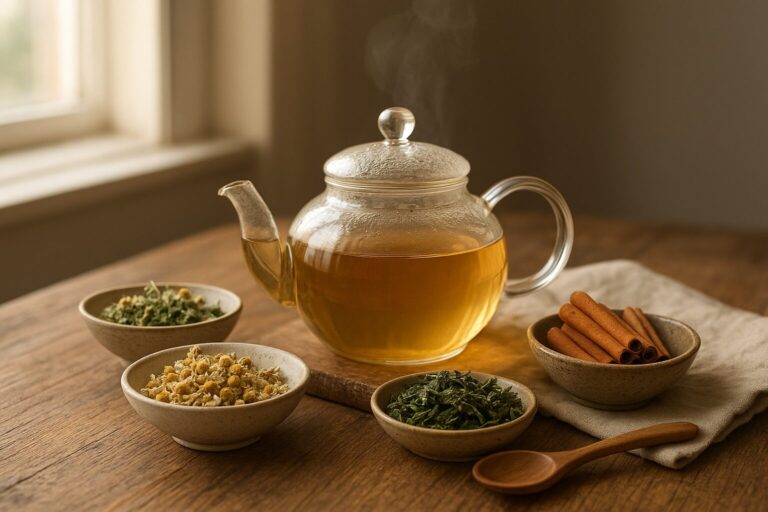
- Infusions: Best for delicate plant parts like leaves and flowers (e.g., chamomile or lemon balm). This involves steeping the plant in hot water, much like a standard tea, for 10 to 15 minutes to extract volatile oils and vitamins.
- Decoctions: Used for tougher materials like roots, bark, or berries (e.g., dandelion root or elderberries). These are simmered in water on low heat for a longer period, typically 20 to 45 minutes, to break down the fibrous structures and extract deeper minerals and tannins.
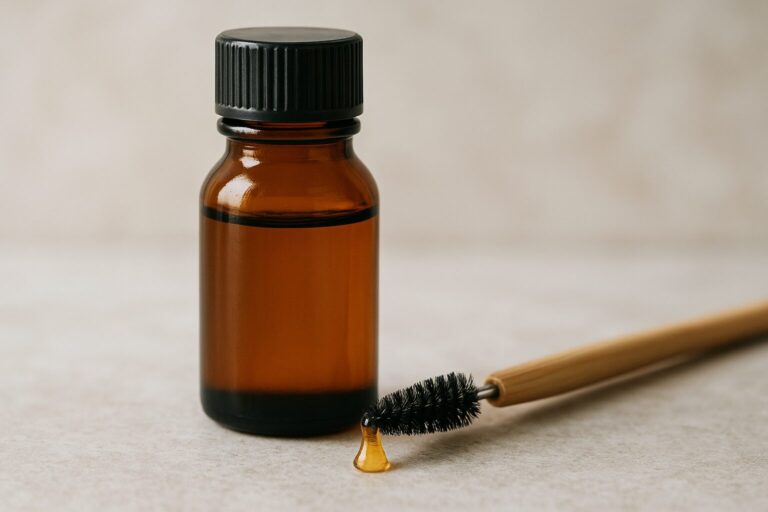
Beyond internal use, many herbs are prepared for topical application. This can include infused oils, where herbs are steeped in a carrier oil like olive or jojoba, or salves made by thickening those oils with beeswax. Poultices involve applying mashed fresh herbs or a paste of dried herbs directly to the skin. Understanding how to prepare herbs for medicinal use at home allows you to customize the strength and freshness of your preparations to suit your specific needs. You might also explore how to use fresh cloves for natural wellness and home remedies as an example of working with potent, aromatic plant parts in various formats.
Building Your First Herbal Wellness Kit
Starting a home apothecary begins with selecting a few versatile plants that address common household needs. Rather than buying dozens of unknown extracts, focus on five or six plants you have researched thoroughly. A well-rounded starter kit might include a calming herb for stress, a digestive aid, and something for topical skin support. Proper organization is the key to a functional apothecary. Every container should be clearly labeled with the common name, botanical name, date of preparation, and the source of the herb.
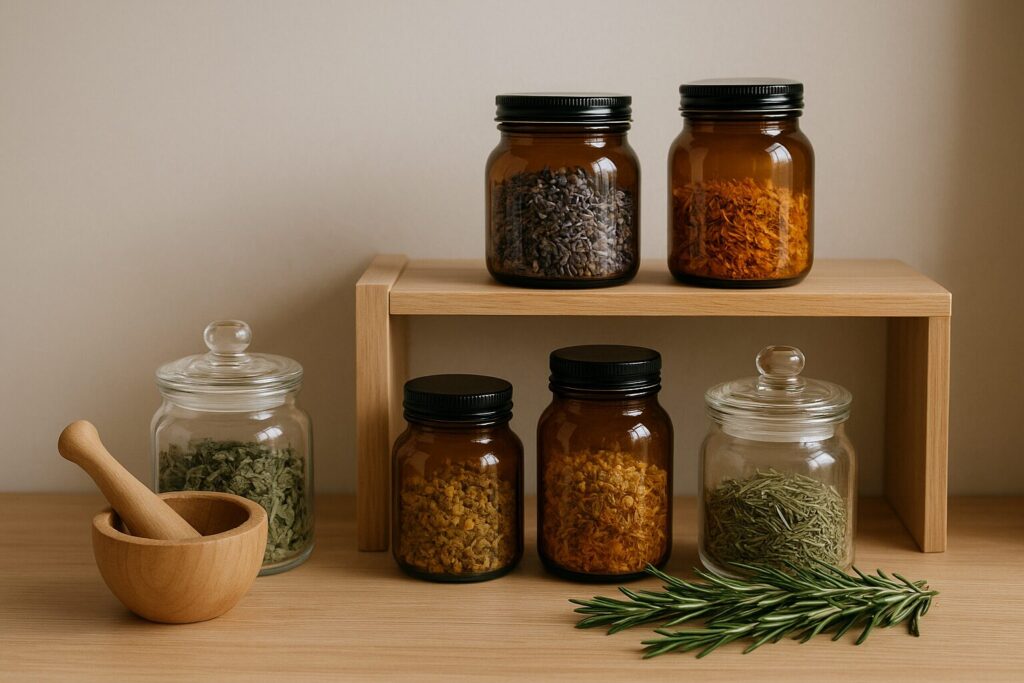
Storage conditions significantly impact the shelf life and potency of your herbs. Store dried plants in airtight glass jars away from direct sunlight, heat, and moisture to prevent degradation. Integrating these plants into daily life—such as a nightly cup of chamomile or a morning ginger infusion—can be a proactive way to maintain health[1]. Setting up a dedicated space, even just a specific shelf or cupboard, helps keep your wellness tools organized and accessible. Consider using dark-colored glass, such as amber or cobalt, to provide an extra layer of protection against light exposure.
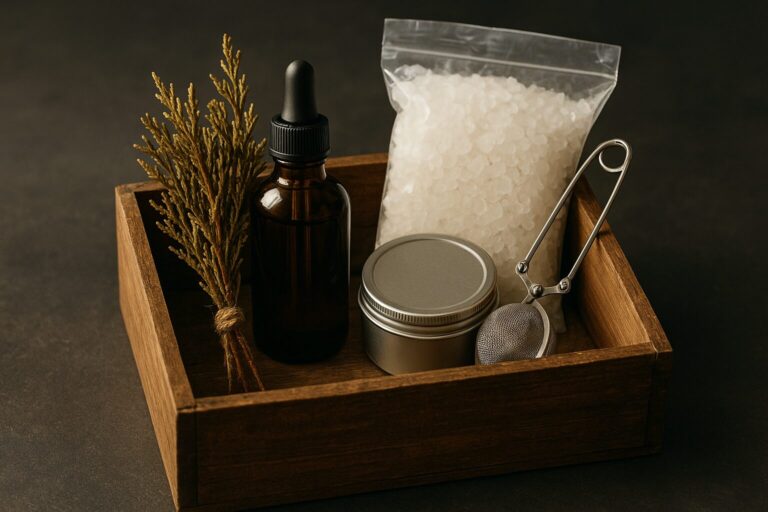
In addition to the herbs themselves, a basic kit should include a few essential tools: a fine-mesh strainer, a stainless steel or glass pot for decoctions, a kitchen scale for measuring by weight, and a mortar and pestle for grinding whole seeds or dried roots. Keeping these items together ensures that when you need to make a remedy, the process is smooth and stress-free. For those interested in the growing aspect, medicinal herb garden ideas to grow your own natural remedies can provide inspiration for creating a sustainable source of wellness right in your backyard.
Consulting Professionals and Reliable Resources
While home remedies can support general wellness, they are not a replacement for professional medical care, especially for chronic or serious conditions[1]. It is essential to recognize the limits of self-care. If you experience unexpected side effects, allergic reactions (such as rashes or difficulty breathing), or if symptoms persist or worsen, stop use immediately and seek medical attention. Herbalism is best used as a complementary practice alongside modern medicine, not in competition with it.
For ongoing education, utilize resources like the National Center for Complementary and Integrative Health (NCCIH) to stay updated on the latest findings regarding herbal safety[1]. Keeping a wellness journal can also be beneficial; track which herbs you use, the preparation method, the specific dosage or frequency, and how your body responds over several weeks. Note any changes in sleep, energy, or digestion. This data is incredibly useful to share with your pharmacist or doctor during routine check-ups to ensure your natural wellness practices remain in harmony with your overall health plan.
When discussing herbs with your doctor, be specific. Instead of saying "I take some supplements," provide a written list of the botanical names and how much you consume daily. This transparency allows your medical team to check for potential interactions with any new prescriptions. Remember that a pharmacist is also an excellent resource for checking herb-drug interactions, as they have specialized training in how different compounds affect the body's chemistry.
Frequently Asked Questions
Are all natural herbs safe to consume?
No, the label 'natural' does not guarantee safety. Some plants, such as ephedra and comfrey, are known to cause serious health complications. Additionally, the safety of an herb depends on the part used, the preparation method, and the individual's health status [1]. Always verify the safety profile of a plant before use.
How do I know if an herb will interact with my medication?
Herbal supplements can significantly interact with both prescription and over-the-counter drugs [1]. They may change how a drug is absorbed or metabolized. The best way to identify risks is to consult your doctor or a pharmacist and provide them with a full list of the supplements you are taking.
What is the difference between a culinary herb and a medicinal herb?
Culinary herbs usually refer to the green, leafy, or flowering parts of a plant used for flavoring food [2]. In medicinal use, 'herb' is a broader term that can include any part of the plant, such as the roots, bark, seeds, and resins, used for therapeutic properties [2].
How should I store my dried herbs to keep them potent?
To maintain therapeutic properties, store dried herbs in airtight glass containers in a cool, dark, and dry place. Exposure to light, heat, and oxygen causes the active compounds in the plants to break down more quickly over time. Properly stored dried leaves usually last about a year.
Can I use medicinal herbs if I am pregnant or breastfeeding?
Extra caution is required during pregnancy and breastfeeding, as some herbs can cross the placenta or enter breast milk. Many common herbs are not recommended during these times. You must consult your obstetrician or a qualified healthcare provider before using any herbal products while pregnant or nursing [1].
Leave a Reply