
Setting the Scene for a Botanical Hocus Pocus Evening
Creating a Hocus Pocus themed dinner doesn't require synthetic dyes or sugary treats. By leaning into the aesthetic of traditional herbalism, you can transform your dining space into a sanctuary of natural magic. The goal is to blend the whimsical spirit of the film with a sophisticated, wellness-oriented approach. This starts with the atmosphere, using sensory elements that evoke the feeling of an old apothecary or a forest cottage. By focusing on deep, moody colors found in nature and the aromatic power of fresh botanicals, you can host an evening that feels truly enchanted while remaining grounded in healthy, plant-based choices.
To set the stage, consider your table scape. Instead of plastic decorations, use bundles of dried lavender, sage, and eucalyptus tied with twine. These not only look like ingredients for a spell but also release a calming, earthy scent that prepares the senses for the meal. Dim lighting, perhaps from beeswax candles, can cast long shadows that mimic the flickering light of a witch's cottage. Incorporating natural textures like linen, wood, and stone further grounds the experience in the physical world of herbal lore. This approach ensures the theme is immersive without being overwhelming, allowing the food and herbs to take center stage.
The Witches' Cauldron: Vibrant Plant-Based Stews
Every magical dinner needs a centerpiece, and a bubbling cauldron of nutrient-dense soup is the perfect choice. To achieve a mystical deep purple hue without artificial coloring, rely on the pigments found in roasted beets, red cabbage, and purple potatoes. When blended, these ingredients create a rich, velvety base that looks like a potent tonic. To add texture and an earthy "forest floor" feel, incorporate sliced mushrooms such as shiitake or maitake. These fungi not only provide a savory depth but also offer a rustic appearance that fits the theme perfectly.
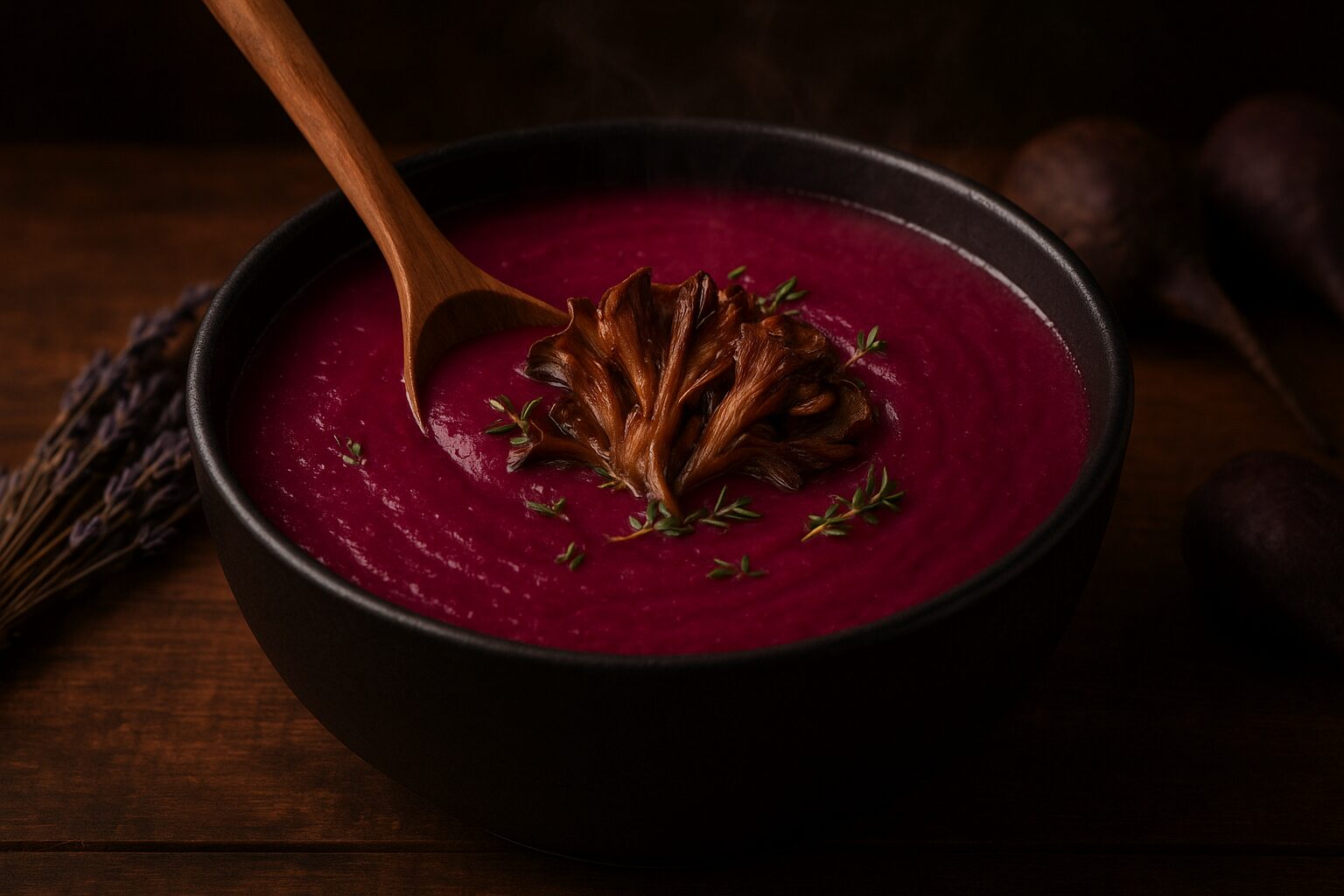
Building Layers of Flavor
A successful themed stew relies on layers. Start by sautéing mirepoix—onion, celery, and carrots—until soft, then deglaze the pot with a splash of apple cider vinegar to add a bright acidity that cuts through the earthiness of the root vegetables. If you want a thicker consistency, try blending a portion of the soup and stirring it back in, rather than using heavy creams. This keeps the dish light while maintaining a satisfying mouthfeel.
Enhancing Flavor with Traditional Herbs
Aromatic herbs are the secret to a successful botanical stew. Adding fresh sprigs of rosemary and thyme during the simmering process infuses the broth with a woody, timeless scent. These herbs have been staples in traditional wellness practices for generations and help bridge the gap between a simple meal and a themed experience. Serve the stew in cast iron pots or dark ceramic bowls to complete the look of a simmering potion. For a final touch, a swirl of coconut milk or a sprinkle of toasted pumpkin seeds can mimic the look of a swirling mist or ancient runes floating on the surface.
Herb-Infused Accompaniments and Magical Sides
Side dishes offer a wonderful opportunity to play with textures and natural shadows. Consider roasting root vegetables like parsnips and carrots, then finishing them with a sprinkle of charcoal salt or toasted black sesame seeds. This gives the vegetables a slightly charred, mysterious appearance while adding a nutty crunch. Wild rice blends are another excellent addition; their dark, varied grains and chewy texture provide a rustic, untamed look that contrasts beautifully with brighter vegetable dishes.
For a warm addition to the table, look toward Garlic Bread Ideas for Dinner Using Fresh Herbs and Natural Oils. Instead of heavy butter, use high-quality olive oil infused with crushed garlic, sage, and oregano. The scent of toasted herbs and garlic adds to the olfactory magic of the evening, making the meal feel hearty and intentional. Drizzling these herb-infused oils over warm, crusty whole-grain bread provides a comforting element that balances the more exotic components of the feast.
Creating Edible Artifacts
You can also create sides that double as conversational pieces. For example, roast whole garlic bulbs until the cloves are soft and spreadable, looking like ancient, weathered stones. Another option is to bake thin slices of sweet potato or kale until crisp, creating "withered leaves" that add a satisfying crunch to the meal. These small details reinforce the theme by focusing on the transformative power of heat and time, much like the slow preparations of a traditional apothecary. When plating, use dark wood boards or slate tiles to emphasize the natural, unrefined beauty of these plant-based sides.
Spellbinding Salads with Edible Flowers and Bitter Greens
In traditional herbalism, bitter greens were often valued for their digestive properties. You can incorporate this concept into your Hocus Pocus dinner by building a salad around radicchio, endive, and arugula. The sharp, complex flavors of these greens represent the potent nature of traditional remedies. To soften the bitterness and add a touch of "garden magic," scatter edible flowers like pansies or nasturtiums over the top. These blooms provide vibrant pops of color that look like they were plucked straight from a witch's herb garden.
Natural Color Palettes
To tie the salad into the dark color palette of the evening, whisk together a homemade blackberry balsamic vinaigrette. The crushed berries provide a deep, blood-red color naturally, eliminating the need for processed syrups. This dressing offers a tart sweetness that complements the bitter greens, creating a balanced dish that is as visually striking as it is flavorful.
Incorporating Seeds and Nuts
For added texture, consider toasted walnuts or sunflower seeds, which provide a grounding, earthy element. You can even coat the nuts in a bit of maple syrup and cayenne pepper for a "sweet and spicy" kick that mimics the dual nature of many folklore tales. When tossing the salad, do so gently to keep the delicate greens and flowers intact. The result should look like a wild, untamed patch of a forest floor, full of variety and hidden treasures. This dish serves as a refreshing palate cleanser between the heavier stew and the main course, keeping the meal balanced and energized.
The Black Flame Candle: Creative Main Courses
For a main course that stands out, utilize dark-colored vegetables as vessels for flavorful fillings. Large poblano peppers, with their deep green, almost midnight-colored skin, can be stuffed with a mixture of quinoa, black beans, and corn. When roasted, the peppers take on a smoky aroma and a slightly wrinkled texture that fits the spooky aesthetic. This combination provides a satisfying, protein-rich main that feels substantial without being heavy.
If you are looking for creative appetizers, you can craft "broomsticks" using whole-grain pretzel sticks and small blocks of vegan cheese or firm tofu. Use a fresh chive to tie the cheese to the stick, mimicking the bristles of a broom. For those who want to experiment further with natural colors, a small amount of spirulina or activated charcoal can be added to pasta dough or sauces to create a dark, dramatic effect without significantly altering the flavor of the dish.
Stuffed Mushrooms and Savory Tarts
Another excellent main option involves large portobello mushroom caps. These can be marinated in balsamic vinegar and tamari, then grilled to create a meaty, dark base. Top them with a savory crumble of walnuts and herbs like sage and thyme to mimic the look of moss-covered stones. Alternatively, a savory tart made with a whole-wheat crust and filled with caramelized onions, balsamic-glazed figs, and a sprinkle of vegan feta can offer a sophisticated, rustic main course. The dark purple of the figs and the golden brown of the onions create a beautiful, moody aesthetic that aligns perfectly with the Hocus Pocus theme while providing a complex profile of sweet and savory flavors.
Magical Elixirs and Herbal Mocktails
Beverages are perhaps the easiest way to showcase natural "magic." Butterfly pea flower tea is a remarkable ingredient for this purpose; the tea is naturally a vivid blue, but when you add a squeeze of lemon juice, the pH change turns the liquid into a bright purple. Serving this in clear glassware allows guests to witness the transformation firsthand. For a more dramatic presentation, garnish these elixirs with frozen blackberries or a smoking sprig of dried rosemary.
Warm Tonics and Infusions
To balance the cooler tones of the evening, consider serving a warming golden tonic made with fresh ginger and turmeric. These roots provide a bright, earthy heat that is traditionally used to support wellness during the cooler months. The vibrant gold color offers a beautiful contrast to the darker elements of the meal, representing the "light" within the theme. You can also create a "potion" of hibiscus tea, which naturally brews into a deep, blood-red liquid. When served hot with a cinnamon stick, it provides a comforting, tart beverage that feels both celebratory and grounded.
For those who prefer something sparkling, consider a mocktail made with sparkling water, a splash of pomegranate juice, and a few drops of liquid chlorophyll for a deep green "toxic" look. Garnish with a sprig of mint or a slice of lime to keep the flavors fresh and vibrant. These drinks allow everyone to participate in the themed toasts without the need for alcohol or high-sugar mixers, keeping the focus on the natural properties of the plants.
Mindful Dining and After-Dinner Wellness
A Hocus Pocus themed dinner is best enjoyed slowly and intentionally. Mindful dining encourages you to connect with the natural ingredients and appreciate the complex flavors of the herbs and whole foods you have prepared. As the evening winds down, conclude the feast with a simple digestive herbal tea. A blend of peppermint or fennel is a traditional way to settle the stomach after a rich meal and provides a calming end to the festivities.
While incorporating common culinary herbs is a safe and flavorful way to enhance your cooking, it is always wise to exercise caution with concentrated extracts or unfamiliar botanicals. If you are considering using medicinal herbs in larger quantities or are unsure about potential interactions with your current health routine, always consult with a healthcare professional or a qualified herbalist. This ensures your magical evening remains a safe and health-conscious experience for everyone involved.
Finally, reflect on the communal aspect of the meal. Sharing a themed dinner is about more than just the food; it is about the stories told and the atmosphere created. By choosing whole, plant-based ingredients and traditional herbs, you are not only celebrating a fun theme but also honoring the long history of using nature to nourish and delight. This mindful approach ensures that the magic of the evening lingers long after the last candle has been extinguished, leaving you and your guests feeling satisfied and connected to the natural world.
Frequently Asked Questions
How can I naturally dye food black or purple for a Hocus Pocus theme?
You can achieve deep purples using concentrated beet juice, red cabbage water, or mashed blackberries. For black hues, activated charcoal powder (used sparingly) or black sesame seeds are effective. Black rice and dark lentils also provide a naturally dark base for many dishes without the need for additives. These natural options ensure your food looks magical without the use of synthetic dyes.
What are some kid-friendly plant-based Hocus Pocus dinner ideas?
Kids often enjoy the 'broomstick' snacks made from pretzels and vegan cheese or tofu. Another fun idea is 'spider' pasta made by threading dry spaghetti through pieces of plant-based sausage before boiling. Using purple potatoes to make 'monster mash' is also a hit with younger diners who enjoy the unusual color, especially when served with a side of 'green slime' (pesto or blended spinach).
Can I use essential oils to flavor my magical dinner recipes?
It is generally safer to use fresh or dried herbs rather than essential oils for flavoring food. Essential oils are extremely concentrated and many are not intended for internal consumption. Stick to infusing high-quality carrier oils like olive oil with whole herbs like rosemary, garlic, or thyme to ensure both safety and a more nuanced, pleasant flavor profile for your guests.
How do I incorporate fresh herbs without overpowering the flavor of the dish?
The key is timing. Add hardy herbs like rosemary, sage, and thyme early in the cooking process so their flavors mellow and infuse the dish. Delicate herbs like parsley, cilantro, or chives should be added just before serving as a garnish. This provides a fresh, bright note and a pop of color without dominating the other ingredients in your themed recipes.
What are the best natural decorations for a Hocus Pocus dinner table?
Focus on botanical and earthy elements to match the herbalism theme. Use bundles of dried herbs, pinecones, and dark-colored fruits like plums or pomegranates as centerpieces. Old glass bottles filled with colored water or dried flowers can look like potion ingredients. These natural items create a moody, magical atmosphere that is both sustainable and visually striking without relying on plastic.
Leave a Reply