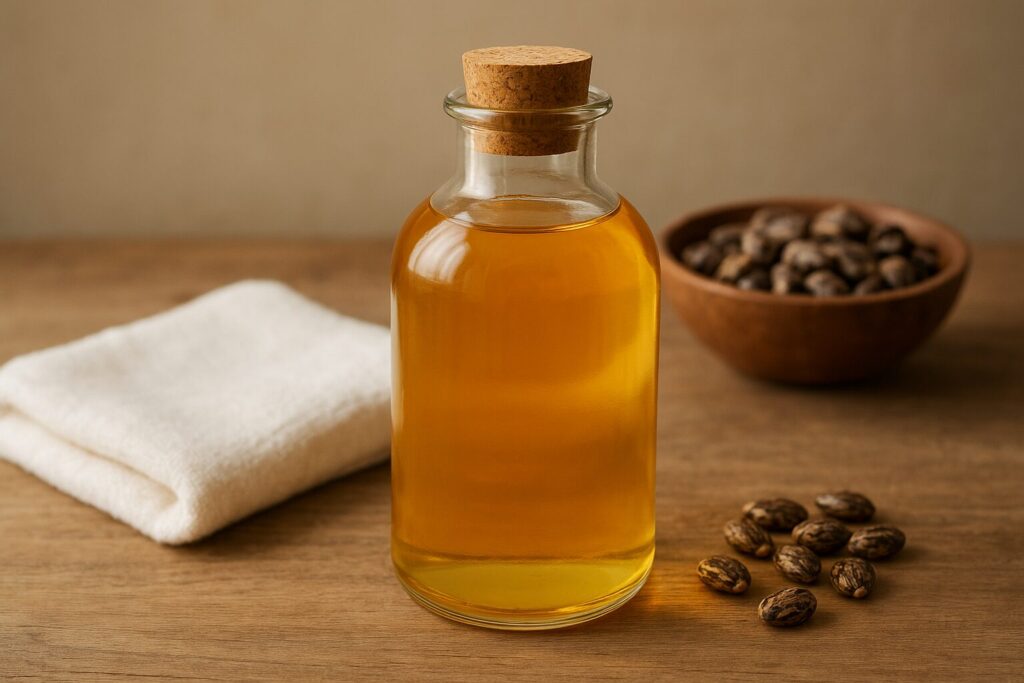
Understanding the Traditional Role of Castor Oil for Wellness
Castor oil, derived from the seeds of the Ricinus communis plant, has been a staple in traditional folk practices for generations. Often referred to as the 'Palma Christi' or the Palm of Christ, its history spans across various cultures that valued it for its unique topical properties. Unlike many other botanical oils used primarily for nutrition, castor oil is prized in the wellness community for its dense, viscous texture and its ability to act as a deep emollient. In natural wellness routines, it is frequently employed to address localized areas of tension or stiffness, serving as a non-invasive way to support the body's own comfort levels. Its unique consistency allows it to stay in place better than thinner oils, making it ideal for targeted applications on the skin.
The Unique Properties of Ricinoleic Acid
What sets castor oil apart from common carrier oils like coconut or sweet almond oil is its chemical composition. The vast majority of its fatty acid profile is made up of ricinoleic acid, a rare unsaturated omega-9 fatty acid. This specific structure is what gives the oil its distinctive thickness and its reputation for supporting wellness. In traditional herbalism, this fatty acid is believed to be the key driver behind the oil's ability to soothe the skin and underlying tissues.
Skin Penetration and Absorption
Traditional wellness practitioners believe that the molecular weight of ricinoleic acid allows it to interact more effectively with the skin barrier than lighter oils. When applied topically, it provides a protective seal while slowly absorbing into the upper layers of the dermis. This slow absorption is often why it is favored for long-duration applications like wraps or packs. Because it does not evaporate quickly, it keeps the skin hydrated and supple for a longer period than water-based lotions.
Circulation and Lymphatic Support
In the realm of herbal remedies, castor oil is often applied to areas where circulation or lymphatic flow is thought to be sluggish. By gently massaging the oil into the skin, users aim to encourage better movement within the localized tissues. This traditional view suggests that the oil helps move stagnant energy or fluids, which is a common goal when dealing with minor swelling or joint stiffness. Many practitioners suggest massaging in a circular motion toward the heart to further support the body's natural drainage processes.
Using Castor Oil Packs for Localized Comfort
One of the most effective ways to utilize this oil is through a traditional castor oil pack. This method involves soaking a piece of natural fabric in the oil and applying it directly to the skin, often over the liver, abdomen, or specific joints. This concentrated application allows the oil to remain in contact with the skin for an extended period, maximizing its soothing potential. The use of a pack is often preferred over simple rubbing because it ensures a high volume of oil stays in constant contact with the target area.
How to Create a Traditional Pack
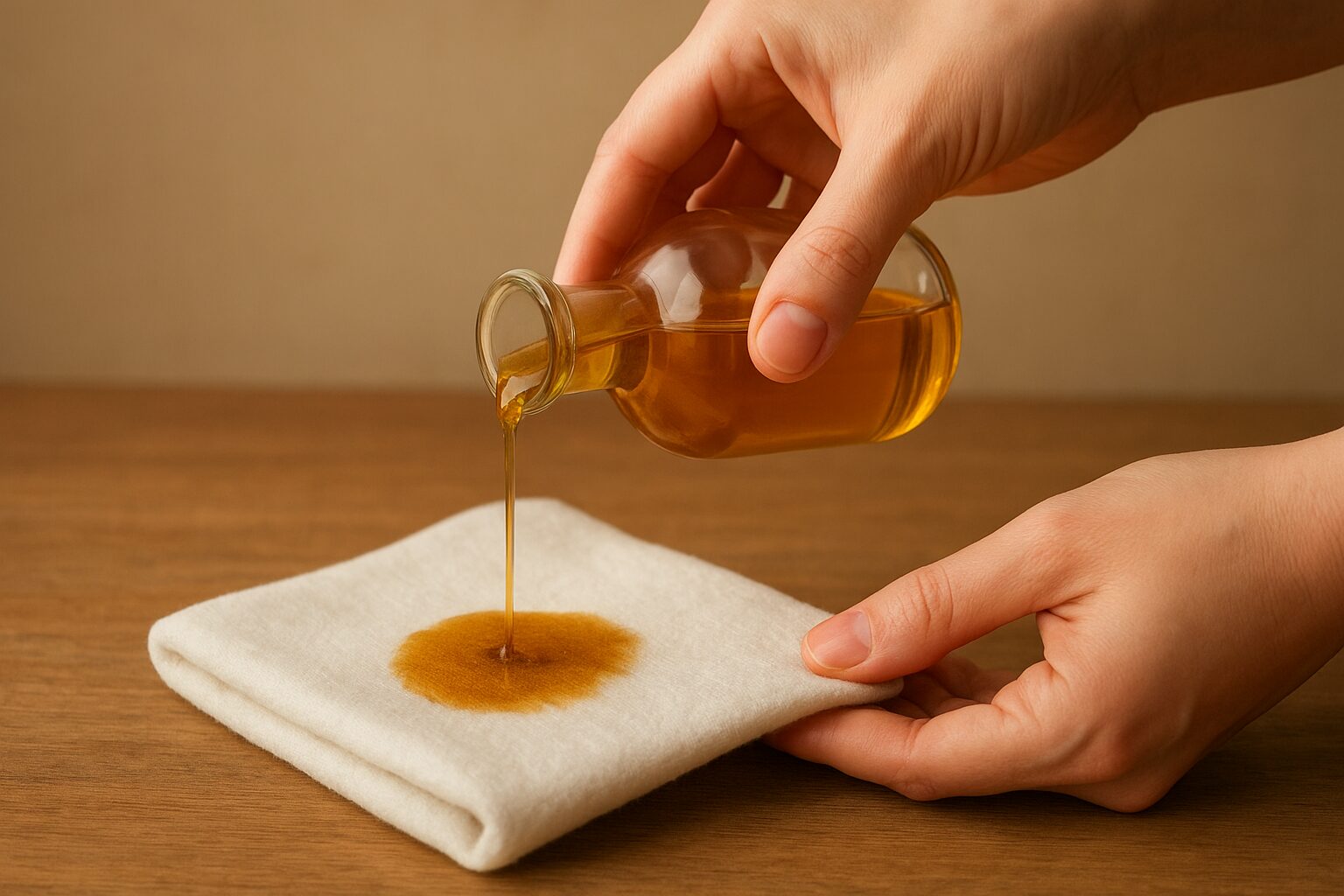
To begin, you will need several supplies that are kept specifically for this purpose, as the oil is difficult to wash out of fabrics. Selecting the right material is the first step in ensuring the pack works effectively without causing skin irritation.
- Select a piece of unbleached wool or cotton flannel large enough to cover the target area. Natural fibers are preferred as they absorb the oil more readily than synthetic blends.
- Saturate the flannel with high-quality castor oil until it is thoroughly damp. It should be soaked enough to feel heavy but not so much that it is dripping uncontrollably.
- Place the flannel over the area of discomfort, such as a stiff knee, a sore shoulder, or the lower abdomen.
- Cover the flannel with a piece of plastic wrap or a specialized pack cover. This serves two purposes: it prevents the oil from leaking onto your surroundings and helps retain the body's natural heat.
- Apply a gentle heat source, such as a warm water bottle or a heating pad set to a low, comfortable temperature. The heat should feel soothing and mild, never hot enough to cause discomfort or skin redness.
While these packs are famous for joint support, they are also used for digestive wellness. Some individuals find that applying a pack to the abdomen helps with regularity, similar to the traditional approach of using castor oil for constipation with practical tips and precautions. After the application is finished, the skin can be cleansed with a solution of water and baking soda to remove the heavy, tacky residue.
Topical Application for Skin and Joint Irritation
For those who prefer a simpler approach than a full pack, direct topical application can be highly beneficial for minor aches and skin concerns. Because the oil is very thick and somewhat sticky, many people choose to blend it with a lighter oil like jojoba or olive oil. This makes it easier to spread over larger areas like the back or thighs and reduces the overall stickiness of the application.
Massage for Stiffness
Massaging the oil into stiff finger joints or sore muscles can provide immediate tactile relief. The act of massage combined with the emollient nature of the oil helps to soften the skin and provide a warming sensation. This can be particularly helpful in the morning for those who wake up with general stiffness. For those dealing with scalp sensitivity or dryness, applying a small amount can be helpful, often following castor oil for hair growth tips and natural scalp care ideas to ensure the oil is distributed evenly without clogging pores.
Protective Barrier for Skin
On irritated or very dry skin, castor oil acts as a humectant, drawing moisture in and locking it away. This can be particularly soothing for areas prone to chafing or environmental stress, such as elbows, knees, and heels. Its thick consistency creates a physical barrier that protects the skin while it recovers from minor irritations. Some people also find it useful as a protective layer in cold weather to prevent windburn on sensitive areas of the face, though it should be used sparingly to avoid breakouts.
Precautions and Safe Usage Guidelines
While castor oil is a natural product, it is potent and should be used with care. Before applying it to a large area, it is wise to perform a patch test. Apply a small drop to a discreet area, such as the inside of your elbow, and monitor the spot for a full day to ensure no redness, itching, or bumps occur. This is especially important for those with sensitive skin or existing allergies to botanical seeds.
Expectant mothers should exercise significant caution; topical application on the abdomen is generally avoided during pregnancy unless specifically recommended by a healthcare professional, as there is a traditional concern that it may stimulate uterine activity. Additionally, castor oil is notorious for staining fabrics. To protect your clothing and bed linens, always use old towels or specialized wraps during application. The stains are often permanent and can develop a rancid smell if not cleaned properly.
If you are experiencing chronic, severe inflammation, or sudden swelling accompanied by heat and fever, it is essential to consult a healthcare provider. Natural remedies are intended to support wellness and should not replace professional medical advice for serious conditions. Always inform your doctor if you are using herbal oils regularly, especially if you have underlying skin conditions like eczema or psoriasis.
Selecting High-Quality Oil for Topical Use
The quality of the oil you choose significantly impacts your experience and the safety of the application. For topical wellness, look for oil that is explicitly labeled as cold-pressed and hexane-free. Cold-pressing ensures that the oil was extracted without high heat, which can degrade the beneficial fatty acids and reduce the oil's effectiveness. Hexane-free labels guarantee that no harsh chemical solvents were used during the extraction process, which is vital when the oil is intended to sit on the skin for long periods.
Organic certification is another important factor to consider. Since the skin is the body's largest organ and can absorb substances applied to it, using organic oil minimizes the risk of applying pesticide residues to your body. You may also encounter 'Jamaican Black Castor Oil,' which is made by roasting the beans before pressing, resulting in a dark color and a distinct smoky scent. This variety is more alkaline and is often preferred for scalp and hair treatments, whereas the standard pale-pressed oil is typically used for traditional packs and joint support.
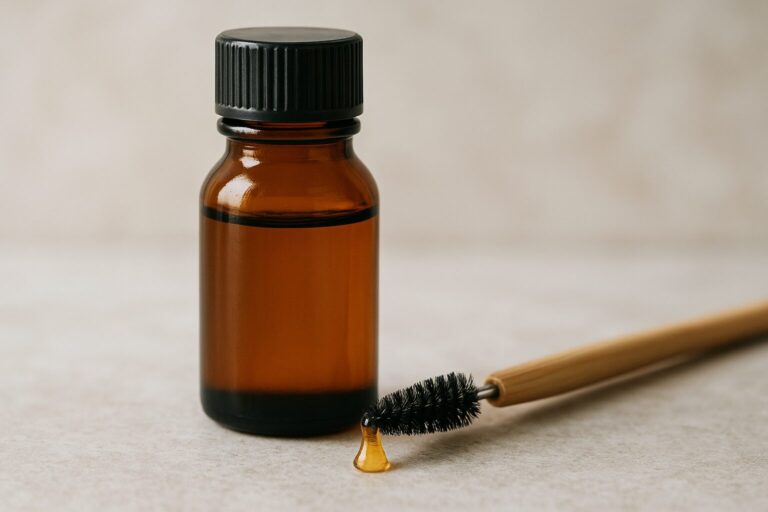
To keep your oil fresh, store it in a cool, dark place, ideally in a dark glass bottle. Light and heat can cause the oil to go rancid over time, which not only makes it smell bad but can also make it irritating to the skin. A high-quality oil should have a mild, slightly nutty scent; if it smells unpleasantly sour or sharp, it is time to replace it. Most bottles will last about a year if stored correctly, but checking the scent before each use is a good habit to maintain.
Integrating Castor Oil into a Holistic Routine
Using castor oil for localized comfort works best when integrated into a broader wellness lifestyle. While the oil provides external support, addressing the root causes of tension through diet and movement is equally important. For instance, incorporating anti-inflammatory foods or using fresh herbs in your meals can complement the topical benefits of the oil. You might find inspiration in garlic bread ideas for dinner using fresh herbs and natural oils to see how culinary choices support overall well-being.
Maintaining flexibility through gentle stretching or yoga can also help the areas where you apply castor oil. When the tissues are more pliable, the oil's emollient properties can work more effectively. Many users find that applying the oil after a warm bath or shower is particularly effective because the skin's pores are open and the muscles are already somewhat relaxed. This holistic approach ensures that you are supporting your body from both the inside and the outside, leading to more sustainable comfort and mobility over time.
Frequently Asked Questions
Can I leave a castor oil pack on overnight?
While some people choose to sleep with a pack, it is generally recommended to start with much shorter sessions to see how your skin reacts. Leaving it on for several hours or overnight increases the risk of skin irritation for some individuals and makes it much harder to manage potential leaks and stains on bedding. If you decide to try a longer application, ensure the pack is securely wrapped in plastic or a leak-proof cover and check your skin frequently.
How often should I apply castor oil for joint stiffness?
For consistent support, many traditional practitioners suggest using a castor oil pack a few times a week. For simple topical massage, daily application is usually fine as long as your skin does not show signs of redness or irritation. Consistency is key in natural wellness, as the soothing effects are often cumulative rather than immediate, requiring regular use over several weeks.
Does castor oil stain clothes and bedding?
Yes, castor oil is very thick and can leave stubborn, yellowish stains on fabrics. It is highly recommended to wear old clothing you don't mind ruining and to lay down an old towel or a plastic sheet to protect furniture or mattresses. If a spill occurs, treat it immediately with a strong grease-cutting dish soap before laundering, as the oil does not wash out easily with standard detergent.
Can castor oil be used on broken or severely damaged skin?
It is best to avoid applying castor oil to open wounds, deep cuts, or severely broken skin. While it is excellent for dry or mildly irritated skin, the thick, occlusive consistency can trap bacteria or debris in a deep wound. Stick to using it on intact skin or consult a healthcare professional for wound care advice if the skin is damaged.
Is it safe to use castor oil alongside over-the-counter creams?
If you are using medicated topical creams, it is wise to speak with a pharmacist or doctor before adding castor oil. Because castor oil may enhance skin penetration, it could potentially change how much of a medicated cream is absorbed into your system. Generally, it is safer to apply them at different times of the day to avoid any unintended interactions.
Leave a Reply