
The Versatility of Cloves in Traditional Home Wellness
Cloves are the aromatic, dried flower buds of the Syzygium aromaticum tree, an evergreen native to the Maluku Islands. Historically valued as a precious spice, they have long been a cornerstone of traditional wellness practices due to their intense warming properties and distinct, pungent aroma. In the context of natural self-care, cloves are often sought out during the colder months to provide a sense of comfort and internal heat.
Preparing cloves at home allows you to utilize their concentrated oils for various applications, ranging from digestive support to topical relief. Because they are so potent, a little goes a long way. Understanding the correct methods for steeping, infusing, and simmering these buds ensures you capture their beneficial compounds without overwhelming your senses or creating an overly bitter preparation. Whether used in a fragrant tea or a soothing oil, the preparation process is key to unlocking their natural vitality.
Preparing Clove Infusions and Herbal Teas
One of the most common ways to enjoy the benefits of cloves is through a simple water-based infusion. A clove tea is traditionally used to provide a warming sensation throughout the body, making it a favorite for winter afternoons. To prepare a basic infusion, start by lightly bruising whole cloves with a mortar and pestle or the back of a spoon; this helps release the essential oils trapped within the bud.
Simmering for Maximum Flavor
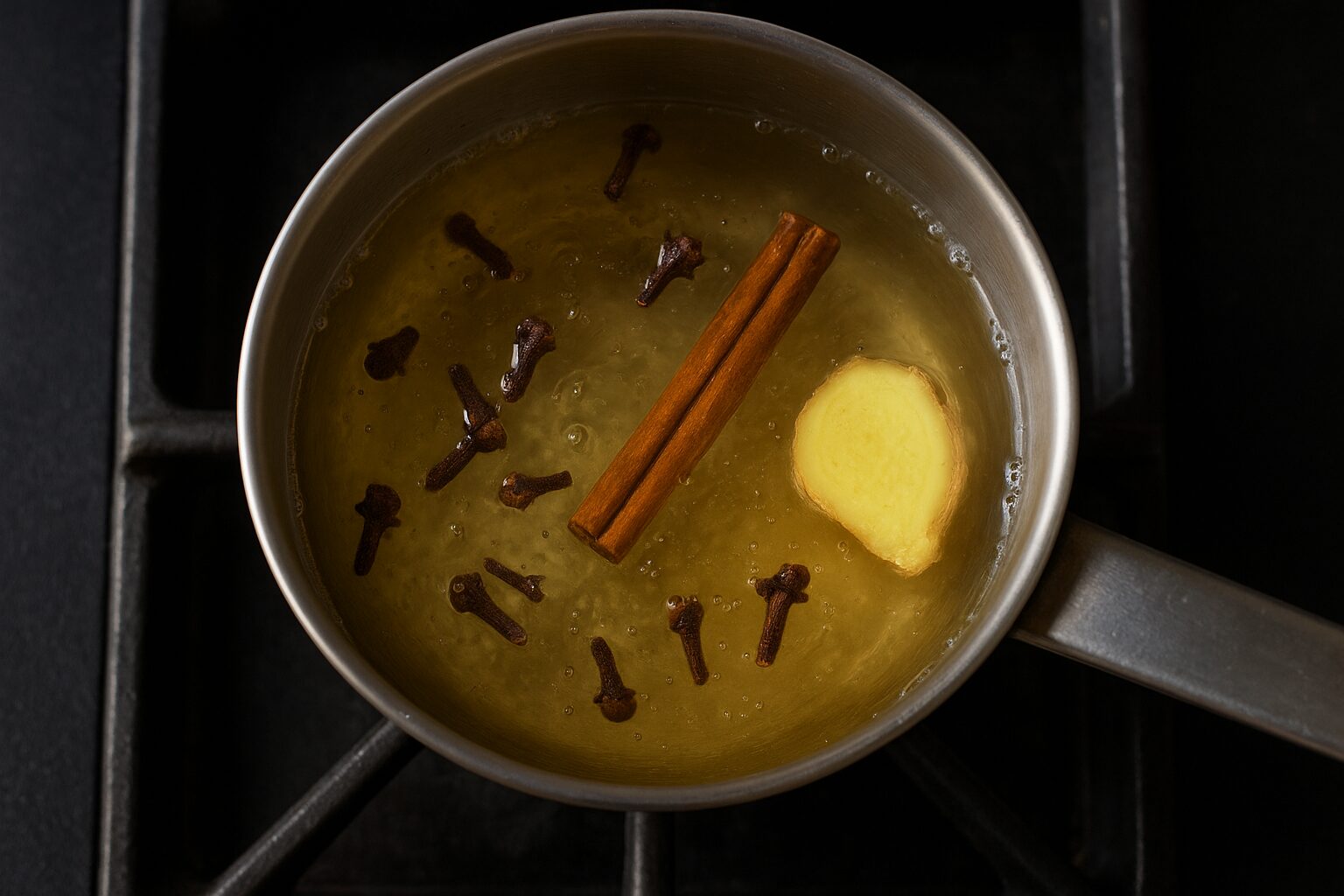
Unlike delicate herbal leaves, the woody structure of cloves requires a gentle simmer rather than just a quick soak in hot water. Add a small handful of cloves to a pot of water and bring it to a very low boil. Reduce the heat and let it simmer for a short duration until the water darkens. Steeping for too long can result in a sharp, medicinal bitterness that is difficult to drink. To create a more balanced flavor profile, many people combine cloves with other warming botanicals such as cinnamon sticks, star anise, or fresh ginger slices.
Once the liquid has turned a deep amber hue and smells fragrant, strain the solids immediately. This infusion can be sipped warm or used as a base for other wellness beverages. If you find the flavor too intense, diluting it with more warm water or adding a touch of honey can make the experience more palatable. You might also try adding a slice of lemon to provide a bright contrast to the deep, spicy notes of the clove.
Creating Clove-Infused Oils for Topical Application
Clove-infused oil is a staple in the traditional herbalist's cabinet, often used for its comforting effect on tired muscles and cold joints. Unlike essential oils, which are highly concentrated and require professional knowledge to use safely, a DIY infused oil is a more diluted and gentle way to apply the properties of cloves to the skin.
The Gentle Heat Method
To create an infused oil, place whole cloves in a clean glass jar and cover them completely with a carrier oil such as olive, sweet almond, or fractionated coconut oil. For a faster preparation, you can use a double boiler to heat the oil and cloves on the lowest possible setting for several hours. It is vital to keep the temperature low; you want to draw out the essence of the herb without cooking it. Alternatively, the solar method involves leaving the jar in a sunny window for a few weeks, shaking it daily to ensure even distribution.
After the infusion process is complete, strain the oil through a fine mesh sieve or cheesecloth to remove all plant particles. Proper straining is essential for shelf stability, as leftover solids can lead to spoilage. Store your finished oil in a dark glass bottle in a cool, dry place. Before using it as a massage oil, it is wise to test a small amount on a patch of skin to check for any sensitivity or irritation, as cloves contain potent compounds that can be reactive for some individuals.
Traditional Steam Inhalations and Aromatic Preparations
The aromatic profile of cloves is not just for internal or topical use; it can also be used to enhance the atmosphere of your home. A clove-based facial steam is a traditional way to enjoy a refreshing sensory experience. Simply add a few whole cloves to a bowl of steaming hot water, drape a towel over your head, and breathe in the spicy vapors for a few minutes. This practice is often used during the winter to provide a sense of clarity and comfort.
For a more passive aromatic benefit, cloves are excellent for stovetop potpourri. By simmering cloves with citrus peels and evergreen sprigs, you can improve the indoor air quality and mood of your living space. This method is very similar to the concepts discussed in Oranges and Cloves for Natural Home Wellness and Fragrance, where the bright scent of orange peel perfectly complements the deep, earthy spice of the clove buds. This natural fragrance is a wonderful alternative to synthetic room sprays and helps maintain a cozy environment during the dark winter months. You can also place dried cloves in small muslin bags to keep in drawers for a lasting, clean scent.
Cloves in Nutritious Winter Broths and Remedies
In many culinary traditions, cloves are used not just for flavor, but for their ability to support digestion and provide internal warmth. When preparing savory winter meals, adding a few whole cloves to a long-simmering broth can add a layer of complexity and wellness benefits. However, because biting into a whole clove can be an unpleasant, numbing experience, many cooks use the 'studding' technique. This involves poking the sharp end of the cloves into a whole peeled onion or a piece of meat before placing it in the pot. This allows the flavor to infuse the liquid while making the cloves easy to remove before serving.
Cloves are also a frequent addition to restorative soups. For example, they can be integrated into a Traditional Chinese Chicken Herbal Soup for Winter Wellness. While the soup focuses on various roots and berries, a single clove or two can enhance the overall profile of the broth, aligning with the traditional goal of nourishing the body's 'yang' or warming energy during the coldest part of the year. The spice works particularly well in meat-based broths or hearty lentil stews where its robustness can stand up to other strong ingredients.
External Wellness: Clove Compresses and Skin Care
Beyond oils and teas, cloves can be used in external applications like compresses and foot soaks. A strong clove decoction—made by boiling cloves in water for a longer period than a tea—can be used to soak a clean cloth. This warm compress can then be applied to areas of the body that feel stiff or cold. The warmth of the water combined with the properties of the cloves provides a soothing sensation.
Another excellent use for clove-infused water is a restorative foot soak. After a long day of walking or standing, especially in cold weather, soaking your feet in warm water with cloves and a bit of sea salt can be incredibly relaxing. For those looking to expand their winter self-care routine, there is a natural synergy between cloves and other warming herbs. You might find that the benefits of cloves complement the techniques found in Ginger Snow-Time Skin Tips for Natural Winter Care, as both herbs focus on stimulating a sense of warmth and vitality in the skin and extremities. Always ensure the water temperature is comfortable before submerging your feet to avoid burns.
Safe Handling and Storage of Clove Preparations
To get the most out of your preparations, you must start with high-quality ingredients. You can test the quality of whole cloves using the 'fingernail test': press your thumbnail into the head of the clove; if it is fresh and rich in oil, it should release a tiny amount of moisture and smell strongly. High-quality cloves will also usually float vertically in water, whereas exhausted or old cloves will sink or float horizontally. This visual check is a quick way to ensure your pantry stock is still potent.
Store your whole cloves in airtight glass containers away from direct sunlight and heat. This preserves the volatile oils that give cloves their potency. Ground cloves lose their strength much faster than whole buds, so it is generally better to buy them whole and grind them only when needed using a dedicated spice grinder or a mortar and pestle.
While cloves are generally safe for culinary use, concentrated preparations should be handled with care. It is wise to consult a healthcare professional before using clove remedies if you are pregnant, nursing, or scheduled for surgery. Additionally, those on blood-thinning medications should be cautious, as cloves contain compounds that may affect blood clotting. Always prioritize safety and moderation when introducing new herbal practices into your routine and listen to your body's response.
Frequently Asked Questions
Can I use ground cloves instead of whole cloves for tea?
While you can use ground cloves, they often make the tea cloudy and can leave a gritty residue at the bottom of the cup. Ground cloves also lose their potency faster than whole buds. If you choose to use ground cloves, use a very small amount—just a pinch—and strain the tea through a fine coffee filter to ensure a smoother texture.
How long does homemade clove-infused oil stay fresh?
If stored in a cool, dark place in an airtight glass bottle, clove-infused oil typically stays fresh for several months. To extend its shelf life, ensure that you have strained out every bit of plant material and that the jar used for storage was completely dry, as moisture can cause the oil to go rancid or develop mold.
Are there any people who should avoid using cloves topically?
People with highly sensitive skin or existing inflammatory skin conditions should be very cautious. Clove is quite potent and may cause irritation. It is best to dilute cloves thoroughly in a carrier oil and perform a small patch test on the skin before applying it to a larger area. If redness occurs, discontinue use immediately.
How many cloves should I use in a standard cup of herbal tea?
For a single standard cup of tea, a few whole cloves are usually sufficient. Because cloves are very strong, using too many can cause a numbing sensation in the mouth and a bitter taste. It is better to start with a small amount and increase it slightly in future brews if you prefer a more robust flavor profile.
Can I reuse cloves after they have been simmered once?
You can reuse them for a second, weaker batch of tea or a stovetop potpourri, but they will have lost most of their potent oils and flavor during the first simmering process. For topical oils or stronger infusions, it is best to use fresh cloves every time to ensure you are capturing the full aromatic and wellness properties.
Leave a Reply