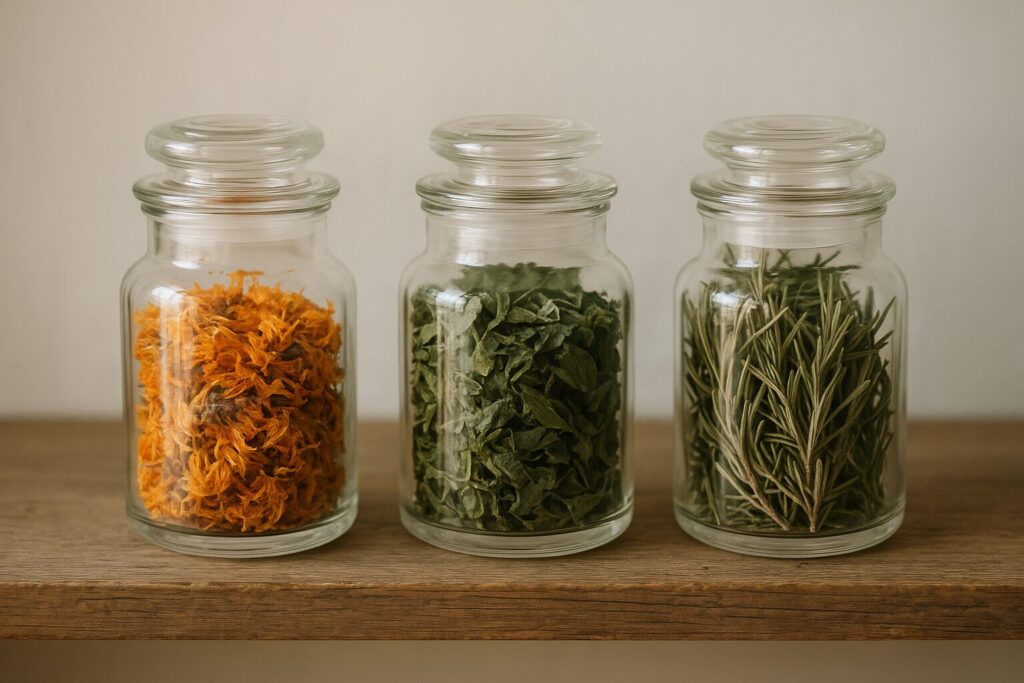
Understanding the role of medicinal herbs in modern wellness
Herbal medicine, frequently referred to as phytotherapy or phytomedicine, involves the use of medicinal plants as a foundation for wellness practices[1]. An herb is generally defined as a plant or specific plant part utilized for its therapeutic properties, scent, or flavor[2]. In contemporary settings, these botanical products are classified as dietary supplements and are commercially available in numerous forms, including teas, capsules, powders, extracts, and tablets[2]. While modern technology has changed how we consume these plants, the practice itself is rooted in deep history, with evidence of use stretching back to the Paleolithic era and documented records found in ancient Sumerian, Egyptian, and Greek civilizations[1].
Today, people use herbal medicines to try to maintain or improve their health[2]. This global practice is particularly prevalent in Asia and Africa, where traditional medicine systems involve long-standing, culturally-embedded practices using local herbs and animal products[1]. By understanding the botanical origins of many modern pharmaceuticals, we can appreciate the bridge between ancient tradition and modern science. However, navigating this field requires a careful approach to safety, quality, and professional consultation.
Prioritizing safety and quality in herbal selections
A common misconception in natural wellness is the belief that products labeled "natural" are inherently safe for everyone; however, this is not always the case[2]. Some specific plants, such as ephedra and comfrey, are known to have the potential for serious physical harm[2]. Unlike conventional prescription drugs, herbal medicines are not required to undergo the same rigorous clinical testing before they reach the market[2].
Assessing Purity and Potency
One of the challenges of home herbalism is that standardized dosages or purity levels are often not provided for these products[1]. To ensure you are using a high-quality product, it is helpful to look for organic certifications or third-party testing labels that verify the contents of the supplement. Before starting any new botanical regimen, it is wise to gather information from reputable sources like the National Center for Complementary and Integrative Health (NCCIH) to understand the profile of the plant you are using[2].
When selecting herbs, consider the form that best suits your needs. Dried plants are excellent for making infusions, while capsules offer convenience for those with busy schedules. If you are interested in a more hands-on approach, you might explore medicinal herb garden ideas to grow your own natural remedies, which ensures you know exactly how your plants were cultivated and harvested. Always check for freshness; dried herbs should retain some of their original color and a strong, characteristic aroma.
Navigating potential interactions and professional guidance
One of the most critical medicinal herbs tips involves the risk of interactions. Many herbs can interact significantly with over-the-counter or prescription medications, either by reducing the drug's effectiveness or dangerously increasing its potency[2]. Because of these risks, you must inform your healthcare provider about every herbal supplement you use[2]. This transparency allows your doctor to monitor for adverse effects and ensure your wellness plan is cohesive.
It is also helpful to understand the distinction between evidence-based herbalism and paraherbalism; the latter often relies on unproven beliefs regarding the safety of minimally processed substances rather than scientific data[1]. Interestingly, modern pharmacology still draws heavily from traditional medicine systems, as many contemporary drugs were originally derived from plant compounds[1]. By combining traditional wisdom with professional medical oversight, you can create a safer environment for natural health practices.
When to Consult a Specialist
If you are pregnant, nursing, or managing a chronic condition, professional guidance is even more vital. Some herbs can cross the placental barrier or affect breast milk. A qualified herbalist or a pharmacist knowledgeable in botanicals can provide insights into traditional uses, while your primary physician ensures that these choices do not interfere with necessary medical treatments. Integrating traditional Chinese herbal medicine recipes and preparation methods into your lifestyle, for example, should be done with an understanding of how these complex formulas might affect your specific body chemistry.
Practical methods for home herbal preparation
Preparing herbs at home allows you to control the quality and concentration of your remedies. The most common method is the water-based infusion, typically used for delicate plant parts like leaves and flowers. For tougher materials like roots or bark, a decoction—where the plant material is simmered in water for a longer period—is often more effective at extracting active constituents. If you are interested in making your own supplies, learning how to prepare herbs for medicinal use at home can provide a solid foundation for these techniques.
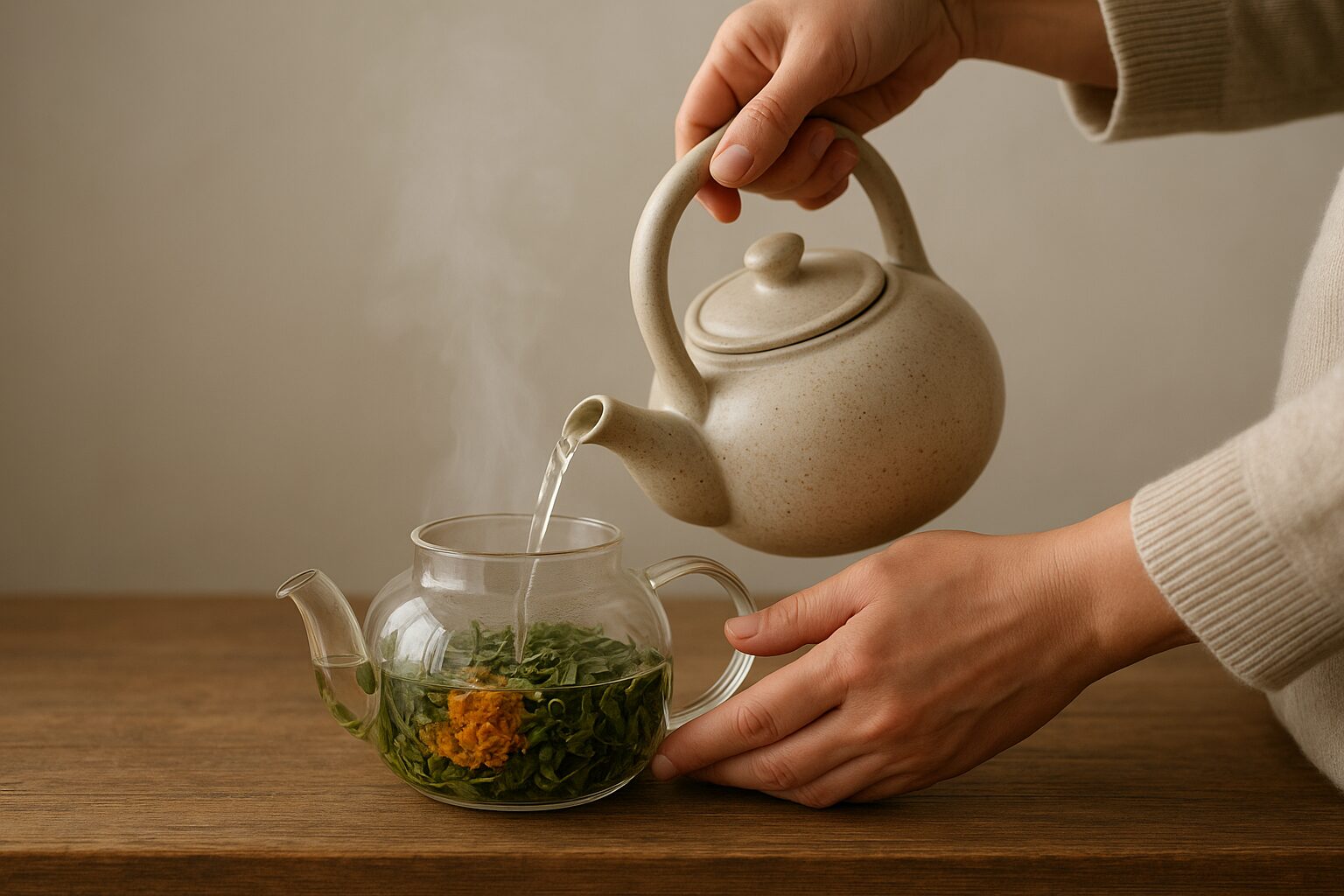
Beyond internal consumption, herbs are highly effective for external care. Methods such as a herbal face steam guide for a natural kitchen glow demonstrate how heat and moisture can be used to deliver botanical benefits to the skin. Whether you are using fresh plants from the garden or dried herbs from a store, the key is to match the preparation method to the specific part of the plant being used.
Specific Preparation Techniques
- Infusions: Best for peppermint, chamomile, or lemon balm. Pour hot water over the herbs and steep for 5-10 minutes.
- Decoctions: Necessary for elderberries, ginger root, or cinnamon bark. Simmer in water for 20-30 minutes.
- Poultices: Mashed fresh herbs applied directly to the skin for localized support.
- Tinctures: Long-term extractions using alcohol or glycerin, ideal for creating shelf-stable remedies.
Creating a sustainable home apothecary
Building a home apothecary is a rewarding way to manage your family's wellness. Start by selecting a few versatile herbs that you are familiar with rather than buying dozens of unknown substances. Organization is vital; always label your jars with the common name, botanical name, and the date of purchase or harvest. To ensure the highest quality, many people choose to how to grow medicinal herbs at home. This allows you to oversee the entire lifecycle of the plant, ensuring no synthetic pesticides are used.
Storage and Freshness
- Store dried herbs in airtight glass containers to prevent oxidation.
- Keep your supplies in a cool, dark place away from direct sunlight to prevent the degradation of essential oils and pigments.
- Check your stock every six months for changes in color or scent, which can indicate a loss of potency.
- Use moisture-absorbing packets if you live in a high-humidity environment to prevent mold growth.
A sustainable apothecary also involves knowing how to incorporate herbs into daily meals. For instance, using garlic bread ideas for dinner using fresh herbs and natural oils is a simple way to benefit from the properties of culinary herbs like garlic, rosemary, and oregano in a flavorful, accessible format.
Identifying reliable sources of herbal information
In an era of endless online information, vetting your sources is essential for safety. Focus on information backed by academic institutions, government health agencies, or the field of pharmacognosy—the scientific study of medicinal plants[1]. Be wary of any source that promises a "miracle cure" or suggests replacing vital medical treatments with herbs, as these claims often lack scientific backing.
Understanding the difference between traditional use and clinically proven efficacy is a hallmark of a responsible herbalist[1]. While a plant may have been used for centuries in a specific culture, modern research into its safety and effectiveness may still be ongoing[1]. Always look for a balance of traditional wisdom and modern safety data to guide your choices.
Evaluating Herbal Claims
When researching a new herb, look for mentions of clinical trials or systematic reviews on sites like MedlinePlus[2]. If a website uses high-pressure sales tactics or makes extreme claims about "detoxing" or "curing" chronic diseases, it is best to seek information elsewhere. A reliable source will always discuss both the potential benefits and the known risks, including possible side effects and contraindications with other medications.
Integrating herbs into a holistic lifestyle
Herbal medicine is most effective when integrated into a broader holistic lifestyle that includes balanced nutrition, regular movement, and stress management. Rather than viewing herbs as a quick fix, see them as supportive allies. For example, a warming traditional Chinese chicken herbal soup for winter wellness combines the nutritional benefits of protein with the supportive properties of traditional botanicals.
You can also extend herbal practices into your self-care routine. Using herbal skincare recipes for natural face and body care allows you to avoid synthetic fragrances and harsh chemicals found in many commercial products. By incorporating herbs into your cooking, your skincare, and your wellness rituals, you create a comprehensive approach to natural health that is both sustainable and grounded in traditional wisdom.
Frequently Asked Questions
Are all natural herbal products safe to use?
Not necessarily. The label "natural" does not guarantee safety. Certain herbs like comfrey and ephedra can cause serious harm to the body [2]. Additionally, herbal products do not undergo the same testing as pharmaceutical drugs, and their purity or dosage levels are not always standardized [2][1]. Always research an herb through reliable sources before use.
How do I know the correct dosage for an herbal tea?
There is no universal standard for herbal dosages, as they can vary based on the plant's potency and the individual's needs [1]. It is best to start with a weak infusion and consult a qualified herbalist or healthcare provider for guidance. Reliable resources like the NCCIH can also provide general information on common uses and safety profiles [2].
Can I take herbal supplements along with my prescription medicine?
You should only do this after consulting your doctor. Many medicinal herbs can interact with prescription or over-the-counter medications, potentially causing dangerous side effects or making your medicine less effective [2]. Always provide your healthcare provider with a full list of any herbal products you are currently taking [2].
What is the difference between an herbal extract and a tincture?
Both are concentrated forms of herbs, but they differ in preparation. A tincture is specifically an extract that uses alcohol as the solvent to pull out the plant's active compounds. The term "extract" is broader and can refer to preparations made using water, glycerine, or oil. Both are sold as dietary supplements in liquid form [2].
How should I store dried herbs to maintain their potency?
To keep herbs effective, store them in airtight glass jars in a cool, dark, and dry location. Heat, light, and moisture are the primary factors that cause the therapeutic properties and flavors of herbs to degrade over time. Properly stored dried leaves typically remain potent for about a year, while roots may last longer.
Leave a Reply