
Crafting Wellness with Natural DIY Holiday Skincare Gifts
The holiday season often brings a desire for more meaningful, sustainable ways to show appreciation to loved ones. Moving away from mass-produced items, many are turning toward personalized gifting that emphasizes health and self-care. Crafting your own skincare products allows you to control every ingredient, ensuring that what touches the skin is pure, botanical, and free from unnecessary synthetic additives. By utilizing whole-plant ingredients and nutrient-dense botanical oils, you can create gifts that do more than just sit on a shelf; they offer a sensory experience rooted in traditional herbalism. This approach transforms modern self-care into a thoughtful ritual, connecting the giver and the recipient through the shared value of natural wellness.
Essential Ingredients for Your Herbal Gift Workshop
Before beginning your DIY projects, it is essential to gather high-quality base materials that serve as the foundation for effective skincare. Carrier oils are the primary medium for most herbal preparations. Options like jojoba oil, which closely mimics the skin's natural sebum, or sweet almond oil, known for its softening properties, are excellent choices. For those with drier skin during the winter months, apricot kernel oil provides a lightweight yet nourishing feel. Avocado oil is another rich option, providing a thicker texture that works well in products designed for overnight use or for very dry patches on the elbows and knees.
The Role of Natural Butters
To provide deeper protection against the elements, natural butters such as shea and cocoa are indispensable. These fats remain solid at room temperature and create a protective barrier on the skin, making them ideal for winter-themed salves and body creams. Cocoa butter specifically adds a subtle, festive chocolate scent that pairs beautifully with holiday spices. Mango butter is a fantastic alternative for those who prefer a less greasy feel, as it absorbs relatively quickly while still offering significant emollient properties. Combining these butters in different ratios allows you to customize the 'hardness' of your final product, ranging from a soft whipped body butter to a firm lotion bar.
Selecting Botanicals and Essential Oils
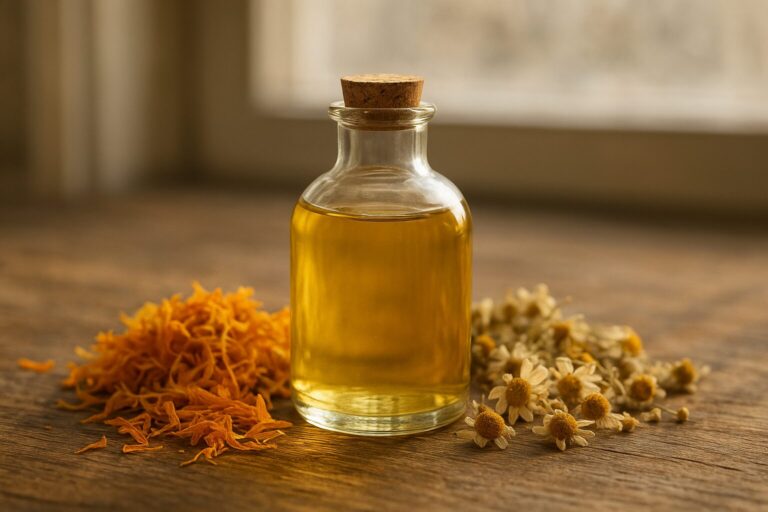
Dried flowers and herbs add both visual beauty and wellness properties to your gifts. Calendula, lavender, and rose petals are classic choices for infusions due to their gentle nature. When selecting essential oils for fragrance, safety is paramount. Always ensure you are using oils suitable for topical application and keep concentrations low to avoid skin irritation. For more inspiration on botanical combinations, exploring herbal beauty tips for a natural skincare routine can help you decide which plants best suit different skin needs. Consider also the use of dried roots like marshmallow or dandelion for more grounding, earthy infusions that support skin texture during harsh weather.
Infused Body Oils and Botanical Serums
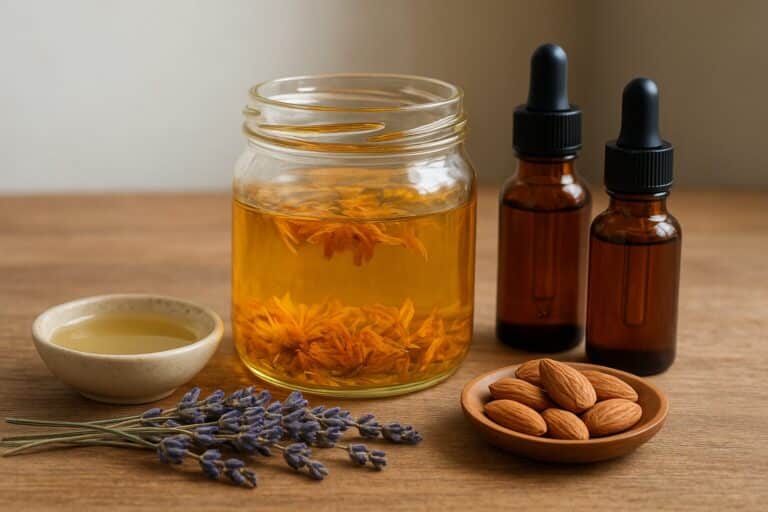
Infusing oils with herbs is one of the most versatile techniques in the herbalist's toolkit. There are two primary ways to achieve this: the solar method and the gentle heat method. The solar method involves placing dried herbs and carrier oil in a sealed jar and letting it sit in a warm, sunny spot for several weeks. This slow extraction is often preferred for delicate flowers. For those on a holiday deadline, the gentle heat method uses a double boiler to slowly extract the plant properties over several hours. It is vital to monitor the temperature closely; the oil should be warm to the touch but never reaching a simmer, as excessive heat can damage the delicate fatty acids in the oil and the volatile compounds in the herbs.

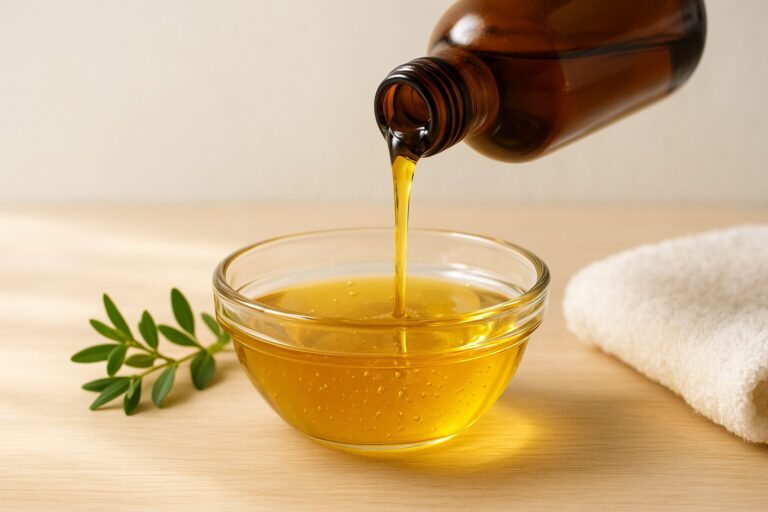
Customizing these oils allows you to tailor gifts to specific skin types. A lightweight serum featuring rosehip oil and dried rosebuds is perfect for facial care, while a heavier infusion of comfrey or plantain in olive oil works well for hardworking hands. When your infusion is ready, strain it through several layers of cheesecloth or a fine mesh coffee filter to ensure no plant material remains, as leftover particles can lead to spoilage. Packaging is key to longevity. Using amber or cobalt blue glass bottles helps protect the delicate botanical compounds from light degradation. For specific ratios and step-by-step instructions, you may find herbal skincare recipes for natural face and body care a helpful resource for your workshop. You can also experiment with 'dual-phase' infusions, where you infuse two different oils with different herbs and then blend them together to create a complex, multi-layered body oil.
Exfoliating Scrubs and Mineral Soaks
Body scrubs and bath soaks are among the simplest and most appreciated holiday gifts. They provide immediate relaxation and help rejuvenate dull winter skin by removing dead cells and encouraging circulation. Salt and sugar serve as excellent physical exfoliants; fine-grain sugar is generally gentler for the body, while sea salt provides a more vigorous scrub for areas like the feet and elbows. You can also incorporate ground oats or almond meal for an even softer exfoliation suitable for sensitive areas.
- Sugar Scrubs: Mix organic cane sugar with coconut oil and a touch of vanilla for a cookie-scented treat. You can add a teaspoon of vitamin E oil to help stabilize the mixture and provide extra skin nourishment.
- Mineral Soaks: Combine Epsom salts, which are rich in magnesium, with coarse sea salt and dried botanicals for a relaxing bath blend. Dead Sea salt is another premium option that adds a variety of minerals to the soak.
- Festive Aromas: Incorporate dried citrus peels, such as orange or lemon, along with warming spices like cinnamon or ginger to evoke the holiday spirit. Be cautious with ground cinnamon, as it can be irritating to some skin types; using a cinnamon leaf essential oil at a very low dilution is often a safer way to achieve the scent.
A critical safety tip for these products is to prevent moisture from entering the container. Since these DIY recipes typically do not contain synthetic preservatives, any water introduced (such as from wet fingers in the shower) can encourage mold growth. Encourage recipients to use a clean wooden scoop or spoon to take out the product to maintain its freshness. You might even include a small decorative spoon tied to the jar with twine as part of the gift presentation.
Protective Balms and Herbal Salves
Winter weather often calls for thicker, more occlusive products to prevent moisture loss. Creating a basic balm or salve involves a simple ratio of oil to beeswax. Typically, using a higher proportion of oil results in a spreadable cream, while increasing the wax creates a firm, protective barrier. You can adjust this by adding more wax for a firmer lip balm or more oil for a softer hand salve that melts instantly upon skin contact. Candelilla wax is a great vegan alternative to beeswax, though it is slightly harder, so you may need to use a bit less of it to achieve the same consistency.
For a true holiday feel, consider formulating "winter skin" salves using resinous botanicals. Pine needles, cedar tips, or frankincense resin can be infused into oils to create a forest-scented balm that feels deeply grounding. These preparations are excellent for treating dry knuckles or protecting lips from the wind. If you are looking for more ways to incorporate these into a larger presentation, consider including them when building healthy gift baskets for Christmas and natural wellness ideas to give a complete self-care package to your friends and family. Another variation is the 'lotion bar,' which is essentially a very firm salve molded into shapes like stars or snowflakes. These are convenient for travel and reduce the need for plastic packaging entirely.
Sustainable Packaging and Presentation Ideas
The presentation of your DIY skincare is an opportunity to reflect your commitment to sustainability. Reusable glass jars, metal tins, and upcycled containers are far superior to plastic alternatives. Not only do they look more premium, but they are also better for preserving the integrity of the essential oils and botanicals inside. Darker glass is always preferable for products containing essential oils to prevent oxidation. If you use clear jars, advise the recipient to store the product in a dark cabinet.
To decorate your gifts, look to nature. Use compostable twine, small sprigs of dried evergreens, or even a small cinnamon stick tied to the lid. Handmade labels add a personal touch and serve an important safety function. Always include a full list of ingredients on your labels so the recipient is aware of what they are applying, especially if they have known allergies. Including a small "how-to-use" card can also enhance the gift, explaining the benefits of the specific herbs you chose and the best way to apply the product for maximum benefit. For example, you might explain that a body oil is best applied to damp skin right after a shower to lock in moisture.
Safety and Best Practices for Homemade Skincare
While making your own skincare is rewarding, maintaining a clean workspace is vital. Always sanitize your tools, mixing bowls, and final containers with high-percentage isopropyl alcohol or boiling water before you begin. This helps extend the shelf life of your products by minimizing bacterial contamination. Because these items lack commercial preservatives, they generally stay fresh for several months, depending on the stability of the oils used and the storage conditions. Adding an antioxidant like Vitamin E or Rosemary Antioxidant Extract can help slow down the oxidation of the oils, but it will not stop bacterial growth if water is introduced.
It is important to remind gift recipients to perform a patch test before using a new herbal product extensively. This involves applying a small amount to a discreet area of skin and waiting a full day to check for any adverse reactions like redness or itching. If a recipient has a chronic skin condition, is pregnant, or is taking specific medications, they should consult a dermatologist or pharmacist before introducing new herbal ingredients into their routine. For those interested in expanding their herbal crafting beyond skincare, you might also enjoy exploring DIY herbal skincare gifts for the holiday season for additional creative concepts. Remember that natural ingredients are potent, and respect for the plant material and the individual's skin chemistry is the foundation of safe herbalism.
Frequently Asked Questions
How long do DIY herbal skincare products typically last?
Most water-free DIY products, like oil infusions and salves, stay fresh for several months to a year. Their longevity depends on the freshness of the carrier oils and how well they are protected from heat and light. Keep them in a cool, dark place and always use clean, dry hands or a spatula to prevent introducing moisture or bacteria into the jar.
Which essential oils are best for a holiday-themed scent?
To capture the essence of the holidays safely, consider essential oils like Sweet Orange, Frankincense, Siberian Fir, or Cardamom. Always ensure they are properly diluted in a carrier oil and avoid using photosensitive oils, like Bergamot or Lemon, if the product will be used on skin that will be exposed to direct sunlight shortly after application.
Can I use fresh herbs instead of dried in my oil infusions?
It is generally safer for beginners to use dried herbs. Fresh herbs contain water, which can easily cause your oil infusions to go rancid or develop mold. If you choose to use fresh plants, they should be allowed to wilt significantly to reduce their moisture content before being submerged in oil, and the finished oil should be checked regularly for signs of spoilage.
How should I store my homemade skincare gifts before giving them?
Store your completed gifts in a cool, dry, and dark environment, such as a pantry or a dedicated craft cupboard. Avoid areas with high humidity, like bathrooms, or places with direct sunlight, as heat and light can cause the natural oils to oxidize and lose their beneficial properties more quickly. Proper storage ensures the recipient receives a high-quality product.
Are these DIY products safe for people with sensitive skin?
Natural does not always mean non-irritating. People with sensitive skin should be cautious with essential oils and certain botanicals. Stick to gentle ingredients like calendula-infused jojoba oil and avoid strong fragrances or warming spices. Always recommend a patch test to the recipient—applying a small amount to the skin and waiting 24 hours—before full use.
Source and attribution: www.pinterest.com
Leave a Reply