Understanding Castor Oil for Topical Wellness
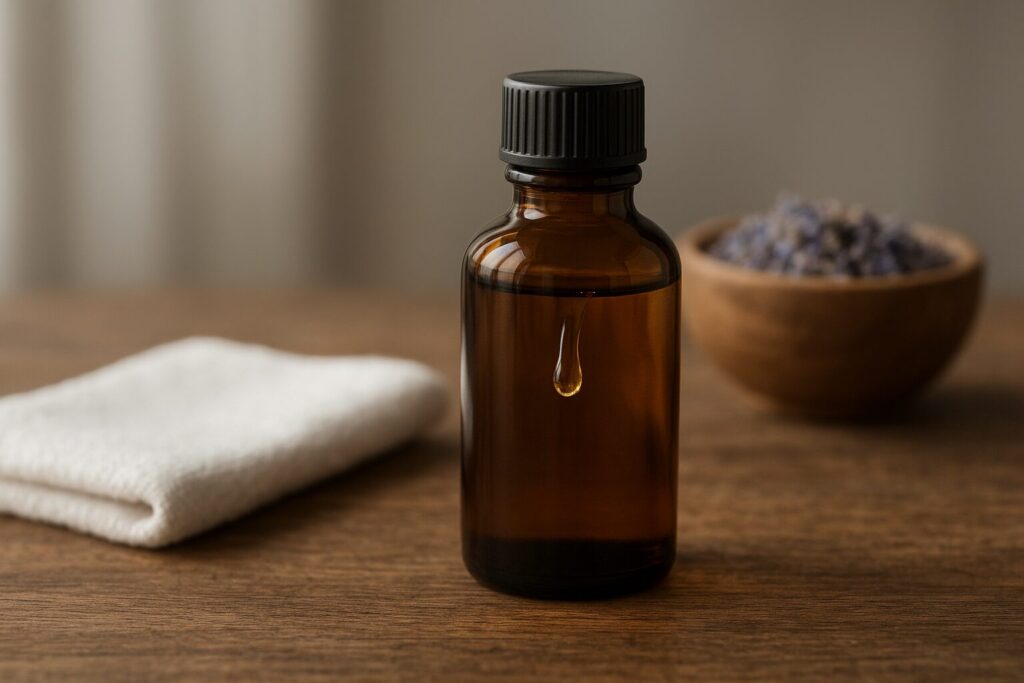
Castor oil, derived from the seeds of the Ricinus communis plant, has served as a staple in traditional wellness practices for generations. Unlike thinner carrier oils, castor oil is distinct for its thick, viscous texture and high concentration of ricinoleic acid. When applied to the skin, this heavy oil acts as an occlusive barrier while slowly absorbing into the deeper layers of the dermis. In the realm of natural self-care, it is frequently used to support localized comfort, providing a soothing sensation to areas that feel tight, overworked, or stagnant. Its unique ability to stay on the skin without evaporating quickly makes it an ideal medium for long-duration topical applications, allowing the fatty acids to interact with the skin's surface over an extended period.
The Traditional Castor Oil Pack Method
One of the most revered ways to use this oil for discomfort is through a castor oil pack. This method involves saturating a piece of natural fabric and placing it directly over the affected area to allow for deep, sustained contact. To begin, you will need a piece of unbleached wool or cotton flannel folded into several layers. Soak the cloth in high-quality, cold-pressed castor oil until it is saturated but not dripping. Place the cloth over the area of discomfort—such as the lower back or a stiff shoulder—and cover it with a layer of plastic wrap or a specialized pack cover to prevent the oil from staining your linens.

Applying Gentle Heat
Adding a gentle heat source, like a warm water bottle or a heating pad set to a low temperature, can help the oil penetrate the skin more effectively. The warmth encourages local circulation and helps the thick oil move into the pores. Traditional practices often involve resting with the pack in place for a significant duration, typically until the heat source begins to cool. Because castor oil is incredibly thick and can leave permanent marks on fabric, it is wise to lay down an old towel beneath you and wear clothing you don't mind getting stained during the process. When you are finished, you can store the oily cloth in a glass jar in the refrigerator for future use, adding a fresh tablespoon of oil each time you restart the process.
Targeting Joint and Muscle Stiffness Naturally
For those dealing with daily stiffness in the knees, hands, or lower back, castor oil can be used as a targeted massage medium. Its density provides excellent "glide" for manual therapy, allowing you to work into the tissues without the oil disappearing too quickly. When focusing on joints, use slow, circular motions with your fingertips or palms. This technique helps move the oil into the crevices of the joint area while physically encouraging the movement of blood to the site. This is particularly useful for the small joints in the fingers or the complex structure of the ankles.
The fatty acid profile of castor oil interacts with the skin barrier to provide a protective, hydrating effect that can soothe the sensation of tightness. If you are using castor oil for constipation, you may already be familiar with its topical application on the abdomen, but applying it to the limbs follows a similar principle of steady, rhythmic pressure. Regular application, perhaps before bed, may help maintain flexibility in areas prone to morning stiffness. For larger muscle groups like the hamstrings or calves, consider using long, sweeping strokes that follow the length of the muscle, applying enough pressure to feel the tissue beneath but never so much that it causes sharp discomfort.
Managing Localized Swelling and Fluid Retention
Localized swelling or temporary puffiness often occurs when fluid becomes trapped in the tissues. Castor oil is frequently used in traditional wellness to address these stagnant areas. To support the body's natural drainage processes, apply a small amount of oil to the swollen area and use very light, sweeping strokes toward the center of the body. This is often referred to as a lymphatic drainage movement, and the viscosity of the castor oil helps ensure the touch remains gentle rather than abrasive. The oil acts as a lubricant that prevents the skin from pulling, which is vital when the area is already tender from fluid pressure.
Consistency is key when dealing with fluid retention. Applying the oil once may provide temporary skin softening, but many practitioners suggest a routine of several times a week to observe how the body responds to the localized stimulation. It is a slow, methodical approach to wellness that prioritizes patience over immediate results. You might also consider elevating the affected limb while the oil is being absorbed to further assist the body's natural fluid return. If the swelling is accompanied by redness, heat, or sudden onset, it is important to stop the application and consult a medical professional immediately to rule out more serious circulatory issues.
Enhancing the Experience with Essential Oils
While castor oil is effective on its own, it serves as a powerful carrier for other botanical extracts. Depending on the type of discomfort you are experiencing, you can customize your oil blend to provide either a warming or cooling sensation. For example, adding a few drops of ginger or black pepper essential oil can create a sense of warmth, which is often preferred for chronic muscle tightness. Conversely, peppermint or eucalyptus can provide a cooling effect for areas that feel hot or over-exerted. These additions transform the heavy oil into a more complex sensory experience that addresses both physical and aromatic needs.
- Lavender: Ideal for relaxation and soothing the skin after a long day.
- Ginger: Best for a warming, invigorating massage on cold or stiff joints.
- Rosemary: Often used to support a sense of clarity and local circulation.
- Copaiba: Known in herbal circles for its grounding scent and skin-soothing properties.
- Frankincense: A traditional choice for supporting the appearance of healthy skin and deep relaxation.
When mixing these extracts, always maintain a safe dilution ratio by adding only a few drops of essential oil per tablespoon of castor oil. This ensures the potent plant compounds do not irritate the skin while still providing their aromatic and topical benefits. Mix the oils in a small glass bowl rather than a plastic one, as some essential oils can interact with certain plastics over time.
Practical Tips for Application and Cleanliness
One of the biggest hurdles to using castor oil for pain is its sticky consistency. To make the application easier, you can slightly warm the bottle in a bowl of warm water before pouring it. This thins the oil just enough to make it spreadable without losing its beneficial properties. If you find the texture too heavy for a simple massage, try blending it with a lighter oil, such as sweet almond or jojoba oil, in a one-to-one ratio. This maintains the benefits of the ricinoleic acid while improving the ease of use on larger areas like the back or thighs.
Cleaning up after a castor oil session requires a bit more effort than standard massage oils. Because castor oil is not water-soluble, simple soap and water may not be enough to remove the residue from your skin. Many people find that using a solution of water and baking soda helps break down the oiliness. Alternatively, you can use a dedicated "castor oil wash" or simply wipe the area thoroughly with a warm, damp cloth. To protect your furniture, always use a dedicated set of old sheets or towels during your treatments. If you happen to get oil on your clothing, treating the spot with a grease-fighting dish soap before putting it in the laundry is often the most effective way to prevent a permanent stain.
Safety Precautions and Best Practices
Before integrating castor oil into your routine, it is essential to perform a patch test. Apply a small amount of oil to a discreet area of skin and wait a full day to ensure you do not have a skin sensitivity or allergic reaction. While generally safe for external use, castor oil should never be applied to broken skin, open wounds, or fresh rashes, as it can trap bacteria or cause irritation. If you have a chronic medical condition or are managing severe inflammation, it is vital to consult a healthcare provider before starting any new home remedy. This is especially true for those with sensitive skin or a history of contact dermatitis.
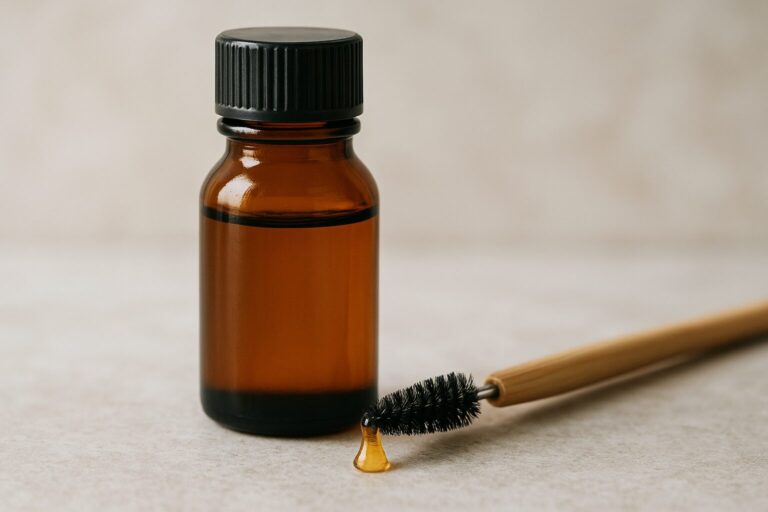
Proper storage will ensure your oil remains effective. Keep your castor oil in a cool, dark place, preferably in a dark glass bottle, to prevent it from becoming rancid due to light and heat exposure. If the oil develops a harsh, sour smell or changes significantly in color, it is time to replace it. Remember that while castor oil is excellent for external care, such as castor oil for hair growth, it should be used with caution and professional guidance if considered for other purposes. Always listen to your body; if an application causes increased discomfort or a skin reaction, discontinue use immediately and wash the area with mild soap.
Frequently Asked Questions
How long does it take to feel the effects of a castor oil pack?
Many people report a sense of soothing warmth and relaxation immediately during the application, especially when heat is used. For physical stiffness or swelling, it may take several consecutive days of application before a noticeable difference in comfort is observed. Consistency is more important than the duration of a single session, as the oil's effects are often cumulative over time.
Can I reuse the cloth from my castor oil pack?
Yes, the flannel cloth used for a pack can be reused several times. After use, store it in a sealed glass jar or a zip-top bag in the refrigerator to keep the oil fresh and prevent it from going rancid. You can add a little more oil for each subsequent use. However, if the cloth begins to change color, develops a sour odor, or becomes overly saturated with debris, it should be discarded.
Is it safe to use castor oil for pain during pregnancy?
Pregnant individuals should always consult their midwife or obstetrician before using castor oil. While topical application on a joint might seem harmless, castor oil has a long history of being used to stimulate contractions in traditional settings. Even external use on the abdomen or lower back should be cleared by a medical professional to ensure safety for both the parent and the baby.
What is the difference between yellow and black castor oil for topical use?
Yellow castor oil is made from cold-pressed raw beans, making it slightly more acidic and pure in its fatty acid profile. Black castor oil, often called Jamaican Black Castor Oil, is made by roasting the beans and using the ash, which gives it an alkaline pH and a smoky scent. Both can be used for localized comfort, but some prefer the traditional processing of the black variety for deep tissue massage.
Should I wash the oil off immediately after a massage?
There is no need to wash it off immediately unless the stickiness is uncomfortable. Leaving the oil on the skin allows for continued absorption into the dermal layers. However, because it is so thick, you may want to wipe away the excess with a warm cloth after a period of rest to prevent it from transferring to your clothing or furniture. Using a bit of baking soda in the water can help remove the tackiness.
Leave a Reply