
Understanding the role of botanical wellness in daily life
Herbalism is a supportive practice focused on maintaining the body's natural balance rather than serving as a replacement for emergency medical intervention. Incorporating plants into a daily routine is about fostering long-term wellness through gentle, consistent support for the body's systems. To see real results, the quality of the plants used is paramount; sourcing organic, well-preserved herbs ensures that the active volatile oils and compounds remain intact. In this context, remedies that actually work are those with a deep history of traditional use and observed benefits in supporting everyday functions like digestion, rest, and skin integrity. This approach involves a shift from seeking a quick fix to cultivating a relationship with the natural world. By understanding how different plants interact with our unique physiology, we can build a wellness foundation that is both sustainable and effective for long-term health maintenance.
Soothing the digestive system with ginger and peppermint
Ginger and peppermint are two of the most reliable botanical allies for digestive comfort. Ginger root is widely recognized for its ability to settle the stomach during occasional bouts of nausea or motion discomfort. For the best results, fresh ginger root can be sliced and simmered to release its warming compounds, though dried ginger is also effective for a more convenient tea. Its pungent nature helps stimulate digestive enzymes, making it a helpful after-meal companion. You might try grating fresh ginger into warm water with a splash of lemon for a morning tonic that gently wakes up the digestive tract.
Peppermint, on the other hand, is a cooling herb often used to ease bloating and digestive tension. The menthol found in peppermint leaves helps relax the smooth muscles of the GI tract. A simple infusion of dried peppermint leaves can provide relief after a heavy meal. When choosing between the two, consider whether the discomfort feels heavy and cold (ginger) or tight and hot (peppermint). For those interested in broader applications, a Practical Medicinal Herbs Guide for Natural Remedies can offer more insight into balancing these digestive herbs. Additionally, peppermint oil should be used with caution by those who experience frequent heartburn, as it can sometimes relax the esophageal sphincter too much.
Natural support for relaxation and better sleep cycles
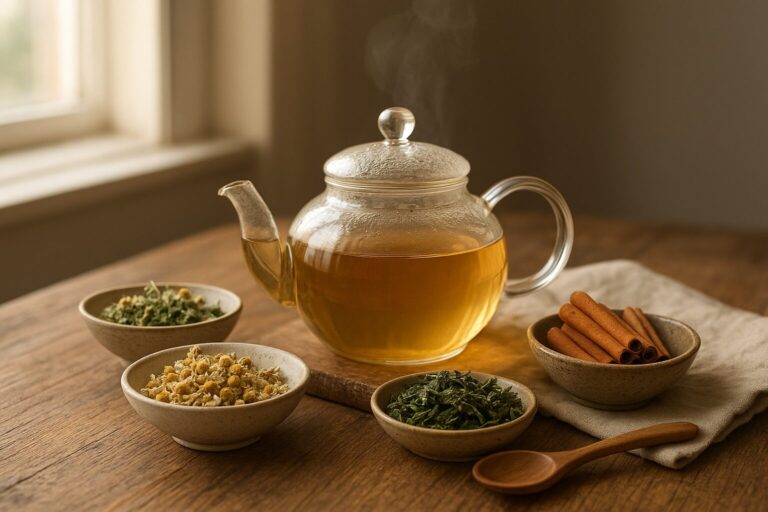
Creating a nightly ritual is one of the most effective ways to signal to the nervous system that it is time to unwind. Chamomile has a long-standing reputation as a gentle evening sedative. It contains apigenin, an antioxidant that binds to certain receptors in the brain that may promote sleepiness. Steeping chamomile for at least ten minutes ensures a potent cup that captures its floral, calming essence. To enhance the experience, try breathing in the steam before sipping, as the aromatic compounds also contribute to a sense of calm.
Lemon balm is another excellent choice for those dealing with daily stress and cognitive fatigue. A member of the mint family, lemon balm has a bright, citrusy scent and is traditionally used to reduce feelings of restlessness. Combining these herbs into a single evening blend can provide a multi-faceted approach to relaxation. Unlike some synthetic options, these herbs aim to support the body's natural transition into sleep without causing morning grogginess. You may also consider adding a touch of lavender to your tea blend, which is known for its ability to soothe the mind and prepare the body for a deeper, more restorative rest period.
Herbal approaches to skin health and topical care
The skin often responds beautifully to botanical preparations that focus on soothing and barrier support. Calendula, often called pot marigold, is a primary herb for minor skin irritations. It is frequently infused into oils or used in salves to support the skin's natural recovery process. Its gentle nature makes it suitable for various skin types, providing a soothing layer for dryness or environmental stress. You can create a simple calendula oil by steeping dried petals in jojoba oil for several weeks in a sunny window.
For those with oily or inflamed skin, witch hazel serves as a natural astringent. It helps tone the skin and refine the appearance of pores without the harshness of alcohol-based products. Integrating these botanicals can be done through direct application or specialized techniques. For instance, using a Herbal Face Steam Guide for a Natural Kitchen Glow allows the volatile oils of the plants to reach the pores through gentle vapor, combining hydration with herbal benefits. This approach is a cornerstone of a herbal beauty tips for a natural skincare routine. For a complete gift idea, consider DIY Herbal Skincare Gifts for the Holiday Season to share these natural benefits with others.
Immune system maintenance through traditional tonics
Supporting the immune system is most effective when done proactively. Elderberry has become a staple for seasonal support, often prepared as a syrup or glycerite. It is rich in flavonoids which provide antioxidant support to the body's natural defenses. Many people turn to elderberry at the first sign of a seasonal change to help maintain resilience. When making your own syrup, ensure the berries are cooked thoroughly, as raw elderberries can be toxic. For a warming winter option, you might explore a Traditional Chinese Chicken Herbal Soup for Winter Wellness.
Echinacea is another well-known botanical used during the early onset of seasonal challenges. It is often most effective when taken at the very first tickle in the throat or feeling of fatigue. Beyond these reactive herbs, nutritive plants like stinging nettle provide foundational support. Nettle is packed with minerals like iron and magnesium, acting as a daily tonic that strengthens the body from the ground up, ensuring the immune system has the nutritional building blocks it needs to function optimally. Regular consumption of nettle tea, perhaps mixed with a bit of peppermint for flavor, can be a simple way to boost your daily nutrient intake and support overall vitality.
Safe practices and when to consult a professional
While herbal remedies are natural, they are not without risks. Many plants contain powerful compounds that can interact with prescription medications. For example, some herbs may thin the blood or alter the way the liver processes certain drugs. It is essential to consult with a doctor or a pharmacist before adding new herbal regimens to your routine, especially if you are pregnant, nursing, or managing a chronic condition. Understanding the potency of these plants is key to using them safely and effectively.
Recognizing Red Flags
Herbal remedies are intended for minor, everyday health concerns and should not be used to treat serious illnesses. You should seek immediate professional medical attention if you experience symptoms that are severe or persistent. This includes high fevers that do not respond to basic care, sudden and sharp pains in the chest or abdomen, or any signs of an allergic reaction such as difficulty breathing, hives, or swelling of the face and throat. If symptoms worsen despite using home remedies, it is a clear signal that a professional diagnosis is necessary. Always prioritize medical advice over self-treatment for any condition that feels unusual or alarming.
Mastering home preparation methods for maximum efficacy
The way an herb is prepared determines how much of its beneficial chemistry is extracted. Water-based infusions are best for delicate parts of the plant like leaves and flowers. To make an infusion, pour hot water over the herbs and cover the vessel to prevent the steam and volatile oils from escaping. In contrast, decoctions are used for tougher materials like roots, bark, and berries. This involves simmering the plant material in water for a longer duration to break down the tough cellular structures. For those interested in historical methods, Traditional Chinese Herbal Medicine Recipes and Preparation Methods provides a deeper look at these techniques.

For topical use, oil infusions are a standard method. By steeping dried herbs in a carrier oil like jojoba or olive oil for several weeks, you create a potent base for salves and lotions. Some ingredients require specific handling; for example, learning How to Prepare Cloves for Traditional Wellness and Home Remedies can show you how to manage more potent, aromatic spices for concentrated benefits. Proper storage in amber glass jars away from direct sunlight will help maintain the potency of your preparations for many months. Labeling your jars with the date and ingredients is also a practical step to ensure you are using the freshest remedies possible.
Frequently Asked Questions
Are herbal remedies safe to take with my daily prescriptions?
Not always. Some herbs can interfere with how medications are absorbed or metabolized. For instance, certain herbs can increase the effect of blood thinners or decrease the effectiveness of birth control. Always provide your healthcare provider or pharmacist with a full list of the herbs you intend to use to check for potential contraindications and ensure your safety.
How long does it typically take to see results from herbal teas?
The timeline varies depending on the goal. For acute issues like occasional indigestion or sleeplessness, you may feel the effects of peppermint or chamomile tea shortly after consumption. However, for nutritive tonics like nettle or immune-supporting herbs like elderberry, it often takes consistent use over several weeks to notice a change in your overall baseline wellness and energy levels.
Can I use the same herbs for children and adults?
While many herbs like chamomile and lemon balm are considered gentle, children require much smaller amounts and different concentrations than adults. Some herbs that are safe for adults may not be appropriate for a child's developing system. It is vital to consult a pediatrician before giving any herbal preparation to a child to ensure proper use and to avoid potential adverse reactions.
What is the best way to store dried herbs to keep them fresh?
To preserve the active compounds, store dried herbs in airtight glass containers, preferably amber or dark-colored, to block out light. Keep them in a cool, dry place like a pantry rather than above a stove where heat and steam can degrade them. Most dried leaves and flowers remain potent for about a year if stored correctly in a stable environment.
Can herbs help with weight management efforts?
Herbs can support a healthy metabolism and digestion as part of a broader lifestyle plan involving diet and exercise. Some teas may help reduce bloating or provide a hydrating, calorie-free alternative to sugary drinks. For a more detailed look at this specific goal, you might explore Herbal Teas for Weight Loss and Practical Ways to Use Them.
Leave a Reply