
Understanding the Foundations of Medicinal Herbs
Herbs are a remarkably diverse group of plants found across the globe. By definition, they are plants with savory or aromatic properties that people use for flavoring food, creating fragrances, or for medicinal purposes[1]. While we often think of them simply as kitchen staples, their role in natural wellness is much broader. In a traditional wellness context, an herb is not just a garnish; it is a complex organism where various parts—from the delicate petals to the rugged roots—carry specific properties valued for supporting the body’s natural balance. Recognizing these plants involves understanding how their aromatic compounds and physical structures serve different needs in a holistic lifestyle. This foundational understanding is the first step in moving from culinary appreciation to a deeper herbal practice.
The term "herbaceous" describes plants that do not produce a woody stem[1]. In botany, this distinction is important because it tells us about the plant's life cycle and how it stores energy. For the home herbalist, knowing whether a plant is herbaceous or woody can dictate harvest times and methods. These plants are widely distributed and widespread, meaning they are accessible to almost anyone interested in natural wellness[1]. By observing the leafy green or flowering parts, we can begin to identify the potential aromatic or savory properties that have made these plants central to human history for centuries.
Key Differences Between Culinary and Medicinal Applications
In the kitchen, the term "herb" usually refers specifically to the leafy green or flowering parts of a plant, whether they are used fresh or dried[1]. Spices, by contrast, are typically derived from other parts such as seeds, bark, roots, or fruits[1]. However, when we shift our focus to medicinal or spiritual use, the definition expands significantly. In these traditions, any part of the plant might be classified as an "herb," including the roots, root bark, inner bark, resin, and even the pericarp, which is the fruit wall[1].
Understanding these distinctions is vital for anyone looking into a Practical Medicinal Herbs Guide for Natural Remedies. Identifying whether you need the volatile oils found in a leaf or the dense compounds stored in the inner bark (cambium) allows for more targeted and intentional wellness practices. This specificity ensures that the preparation matches the intended goal, respecting the unique characteristics of each plant part. For instance, while you might use rosemary leaves to season a roast, a traditional herbalist might look at the entire structure of a plant, including its root bark or resin, to capture its full aromatic profile[1].
Specific Plant Parts Used in Wellness
- Inner Bark and Cambium: Often harvested from certain trees for their unique compounds[1].
- Pericarp: The outer layer of a fruit, sometimes used for its concentrated oils[1].
- Resin: Sticky substances exuded by plants, often used for incense or topical applications[1].
- Root Bark: The protective outer layer of the roots, which can contain different properties than the inner root[1].
Practical Examples of Common Medicinal Herbs
Many plants serve dual roles as both aromatic delights and wellness tools. Lavender and chamomile are classic examples, often utilized for their soothing scents in aromatherapy and their gentle properties in evening teas. These plants are part of a widely distributed group used across various cultures for their aromatic and medicinal qualities[1]. Beyond these common examples, the world of herbs includes a vast array of species that can be integrated into daily life for fragrance or flavor.
Identifying Herbal Groups by Use
When categorizing herbs for home use, it helps to look at how they interact with our senses and our environment. Aromatic herbs, for example, are frequently used for fragrances and stress management, such as peppermint or rosemary. Flowering herbs, where the petals or blossoms are the primary focus, are often used in topical applications or gentle infusions. Some traditions even utilize the sticky resins of trees for their potent aromatic qualities[1].
For those looking to support their body during the colder months, exploring 10 Powerful Winter Healing Herbs for Immunity can provide seasonal inspiration. By incorporating these examples into a daily routine, you can create a more supportive home environment. You might also find inspiration in simple kitchen preparations, such as Garlic Bread Ideas for Dinner Using Fresh Herbs and Natural Oils, which demonstrate how savory herbs can be both functional and delicious. Using fresh or dried herbs for flavoring and garnishing food is one of the most accessible ways to start your herbal journey[1].
Traditional Preparation Methods for Home Wellness
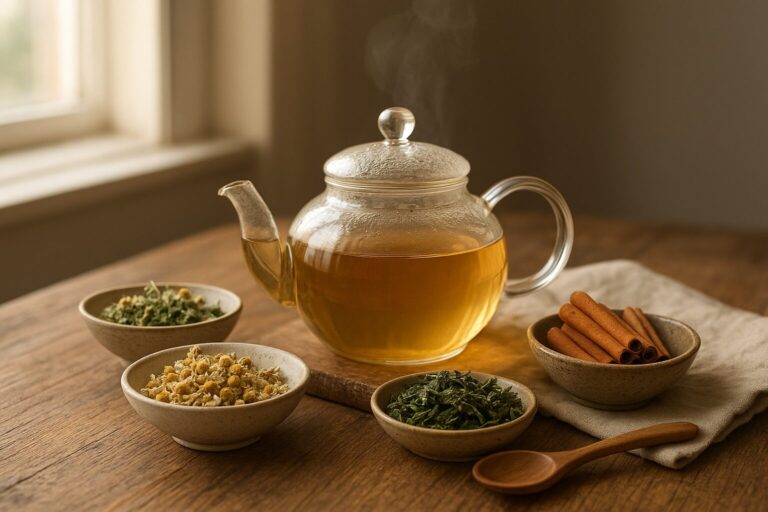
The way you prepare a plant determines which of its properties are captured. For leafy greens and flowering parts, a simple infusion is the most common method. This involves steeping the fresh or dried parts in hot water to release their aromatic compounds[1]. Because these parts are delicate, they do not require long boiling times to share their benefits. This method is ideal for capturing the savory or aromatic properties that define culinary and medicinal herbs[1].

When working with non-leafy parts like roots, seeds, or bark, the process changes. These denser materials often require a decoction—a method where the plant material is simmered for a longer period to break down the tough cellular structures. Learning How to Prepare Herbs for Medicinal Use at Home is essential for mastering these variations. Whether you are using the pericarp (the fruit wall) or the inner bark, matching the temperature and duration of your preparation to the specific plant part is key to a successful home remedy. For example, seeds and bark are usually considered spices in a culinary context but are treated as herbs in medicinal preparations[1].
Steps for a Basic Herbal Infusion
- Select your leafy or flowering herb parts, ensuring they are clean and free of debris.
- Place the herbs in a heat-safe vessel, such as a ceramic mug or glass teapot.
- Pour hot water over the herbs, covering them completely to prevent the escape of volatile aromatic oils.
- Allow the mixture to steep, typically for several minutes, depending on the desired strength.
- Strain the liquid to remove the plant material before use.
Safety and Sourcing for Herbal Remedies
Quality and safety are the most important factors when selecting medicinal herbs. It is crucial to identify high-quality plant parts, ensuring they are free from contaminants and correctly identified. This is particularly important when sourcing more specialized parts like root bark, inner bark, or resin[1]. Using the wrong part of a plant or a misidentified species can lead to ineffective results or unwanted side effects. Because herbs are so widespread, it is easy to mistake one species for another if you are not careful[1].
Before starting any new herbal regimen, it is vital to consult with a healthcare professional, such as a doctor or a pharmacist. This is especially true if you are pregnant, nursing, or taking prescription medications, as herbs can interact with conventional treatments. Following Medicinal herbs tips for safe and effective home use can help you navigate these risks. Always start with small amounts and observe how your body responds to new botanical additions. Being mindful of the distinction between culinary flavoring and medicinal application is a key part of staying safe[1].
What to Look for When Sourcing
- Correct Identification: Ensure the plant matches the botanical description of the species you intend to use.
- Freshness: Leafy parts should be vibrant in color, while dried parts should still retain some of their original aroma[1].
- Purity: Avoid herbs that have been treated with pesticides or are found near polluted areas like busy roadsides.
- Part Specificity: Confirm if the preparation requires the leaf, seed, bark, or root, as each contains different properties[1].
Creating a Sustainable Herbal Lifestyle
One of the best ways to ensure a fresh and reliable supply of wellness plants is to start your own garden. Growing herbs allows you to observe the plant through its entire life cycle, from the first herbaceous shoots to the final flowering stage[1]. If you are new to gardening, you might look for How to Grow Medicinal Herbs at Home for a Natural Wellness Garden to get started with hardy varieties like mint or sage. Even a small windowsill garden can provide a steady supply of savory herbs for flavoring food or creating home fragrances[1].
Aromatic herbs play a significant role in daily stress management. Simply having these plants in your living space or using them in a morning fragrance ritual can improve the atmosphere of your home. By integrating these plants into your environment, you move beyond seeing them as occasional remedies and begin to see them as partners in a sustainable, natural lifestyle. Whether you are harvesting leaves for a tea or bark for a traditional preparation, the connection to the plant's growth process adds a deeper layer of value to your wellness routine. You might even explore Medicinal Herb Garden Ideas to Grow Your Own Natural Remedies to design a space that is both beautiful and functional.
Sustainable harvesting is also a key component of this lifestyle. When collecting parts like inner bark or roots, it is important to do so in a way that does not kill the plant. For herbaceous plants that do not have woody stems, harvesting the leafy tops often encourages more growth[1]. By understanding the biology of the herbs you use, you can maintain a garden that thrives for years, providing a constant source of natural wellness materials.
Frequently Asked Questions
What is the main difference between a herb and a spice?
In culinary terms, herbs are the leafy green or flowering parts of a plant, used fresh or dried. Spices are typically dried and come from other parts, such as the seeds, bark, roots, or fruits [1]. In medicinal contexts, however, the term 'herb' is used more broadly to include all these parts, including root bark and resins.
Can any plant be considered a medicinal herb?
While many plants have aromatic or savory properties, not all are suitable for medicinal use. A medicinal herb is specifically one used for its perceived wellness properties. It is important to use only plants that have a history of safe use and are correctly identified to avoid toxic species, especially since herbs are so widespread [1].
How do I know which part of the plant to use for a remedy?
The part used depends on where the active compounds are concentrated. For many plants, it is the leaves or flowers, but for others, it may be the root bark, inner bark, seeds, or even the pericarp [1]. Always follow a reliable guide or consult an herbalist to determine the correct part for your specific needs.
Is it better to use fresh or dried herbs for medicinal tea?
Both fresh and dried herbs are commonly used for medicinal purposes [1]. Dried herbs are more concentrated and have a longer shelf life, while fresh herbs may contain higher levels of certain volatile oils. The choice often depends on seasonal availability and whether you are using herbaceous plant parts or woodier structures.
When should I talk to a doctor about using herbal remedies?
You should always consult a healthcare professional before starting a new herbal routine, especially if you have an existing medical condition, are taking medication, or are pregnant. A professional can help you identify potential interactions and ensure the herb is safe for your specific health profile, particularly when using potent parts like inner bark or resins [1].
Leave a Reply