
Understanding the Foundations of Herbal Wellness
Embracing a lifestyle centered on natural wellness often begins with understanding the core elements of the plant world. In a broad sense, an herb is defined as a plant or plant part that is valued for its scent, flavor, or therapeutic qualities[1]. While many people incorporate these plants into their daily lives for culinary enjoyment, their role in wellness is equally significant. Herbal medicines are classified as one type of dietary supplement and are widely available in various forms to help individuals maintain or improve their health[1].
It is a common misconception that because a product is labeled "natural," it is inherently safe or beneficial for everyone[1]. Distinguishing between the different uses of plants is the first step toward responsible herbalism. While culinary herbs typically refer to the leafy green or flowering parts of a plant, the definition of a medicinal herb is much broader, often encompassing parts that are not used in cooking, such as roots, bark, or resins[2]. Understanding these botanical foundations ensures that you can approach natural remedies with both curiosity and caution. This distinction is vital because the chemical profile of a root may differ vastly from that of a leaf on the same plant, requiring different handling and preparation methods to ensure the desired properties are preserved.
Common Forms and Preparations of Medicinal Herbs
Medicinal herbs are versatile and can be prepared in numerous ways to suit individual needs and lifestyle preferences. For those seeking convenience, herbal medicines are frequently sold as tablets, capsules, and powders[1]. These formats provide a consistent way to incorporate specific plants into a daily routine without the need for manual preparation. However, traditional methods remain popular for those who prefer a more tactile connection to their wellness practices.
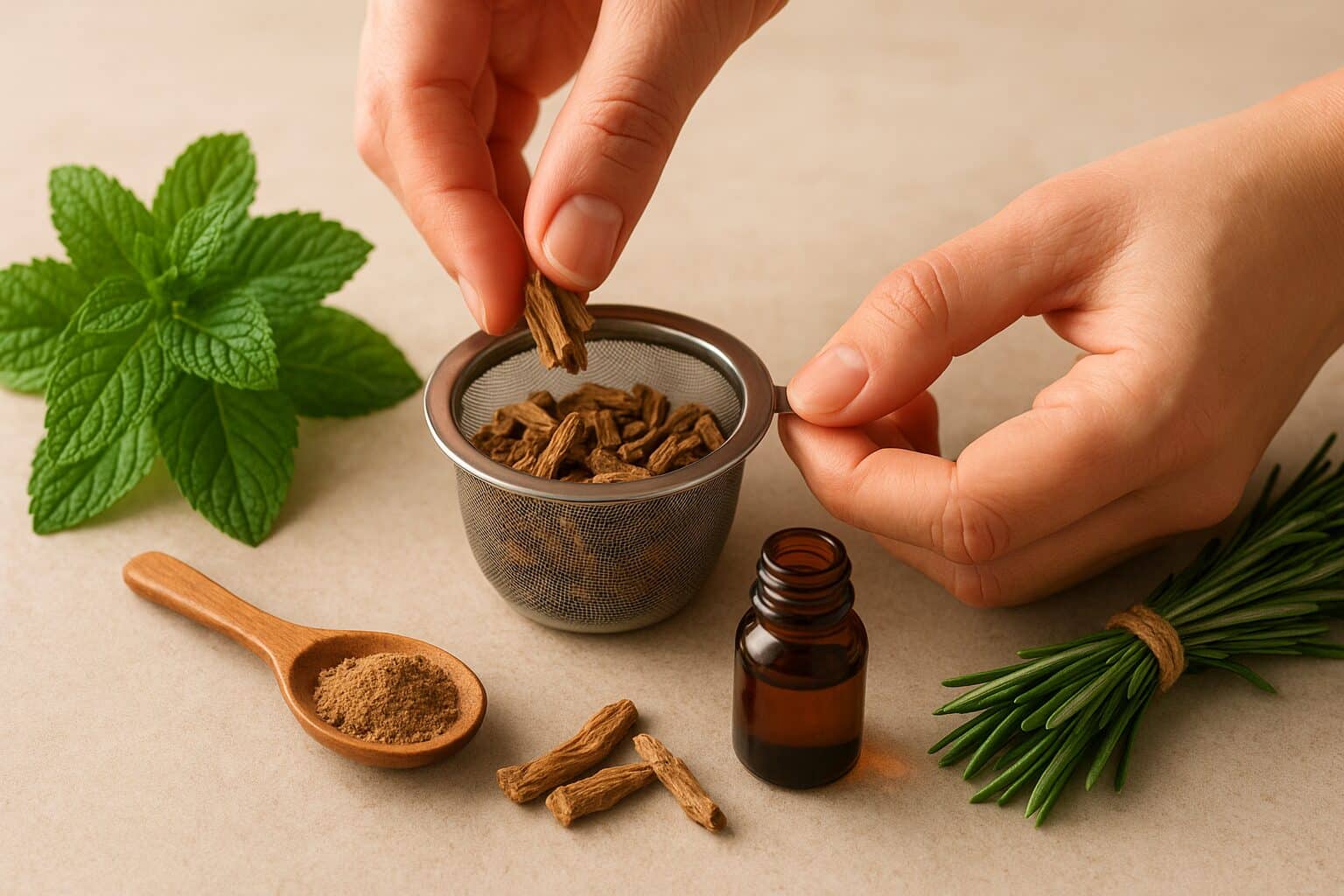
Traditional Delivery Methods
- Teas and Infusions: Using fresh or dried plant material steeped in water is one of the most common ways to enjoy herbal properties[1]. This method is typically best for delicate plant parts like leaves and flowers.
- Extracts: Concentrated liquid forms, often made with alcohol or glycerin, that capture the plant's constituents in a shelf-stable format.
- Fresh or Dried Plants: Raw materials that can be used for topical applications, such as poultices, or homemade preparations like infused oils[1].
When selecting a preparation, it is helpful to understand the botanical distinction between herbs and spices. In a general context, herbs refer to the leafy or flowering parts, while spices are usually derived from other sections like seeds, bark, roots, and fruits[2]. Choosing the right format often depends on which part of the plant holds the desired properties and how you intend to use it, whether for aromatic enjoyment or systemic support. For those looking to start their own collection, learning how to grow medicinal herbs at home can provide a fresh supply of high-quality plant material. Having a garden allows you to harvest at the peak of the plant's potency, which is often just as the flowers begin to bud but before they fully open.
Safety Protocols and Risk Management
While the appeal of natural remedies is strong, safety must always be the priority. One of the most important facts to recognize is that herbal medicines do not have to go through the same rigorous testing and clinical trials that pharmaceutical drugs do[1]. This means that the quality, potency, and safety of these products can vary significantly between brands and batches. Furthermore, some specific herbs are known to carry high risks; for example, comfrey and ephedra are plants that can cause serious harm to the body[1].
Before starting any new herbal regimen, it is critical to investigate potential interactions. Some herbs can interact negatively with prescription or over-the-counter medicines, either reducing their effectiveness or causing dangerous side effects[1]. Always tell your healthcare provider about any herbal medicines you are taking to ensure they do not interfere with your existing treatments[1]. Taking the time to research through reliable, evidence-based sources is a necessary step for anyone looking to use herbal supplements responsibly. When researching, look for information regarding the part of the plant used, the recommended preparation, and any known contraindications for specific health conditions like pregnancy, high blood pressure, or kidney issues.
Distinguishing Botanical Parts for Therapeutic Use
In the world of botany, the term "herb" specifically refers to a plant that does not produce a woody stem, often described as herbaceous[2]. However, when we shift the focus to medicinal or spiritual applications, the definition expands significantly. In these contexts, almost any part of the plant might be utilized for its specific properties. This includes not just the leaves, but also the roots, flowers, seeds, root bark, inner bark, cambium, resin, and even the pericarp[2].
The concentration of active compounds varies depending on the plant part. For instance, the aromatic properties that make a plant useful for fragrances or aromatherapy are often found in the volatile oils of the leaves or flowers[2]. Conversely, the tougher parts of a plant, like the bark or roots, may require different extraction methods to release their qualities. Understanding these botanical nuances allows for a more precise application of plant-based wellness practices. If you are interested in creating your own supplies, you might explore how to prepare herbs for medicinal use at home to better understand these different plant structures. For example, roots and barks often require a decoction—simmering in water for an extended period—rather than a simple steep, to break down the tough cellular walls and release the beneficial compounds into the liquid.
Integrating Herbs into Daily Life and Sourcing Wisely
Integrating herbs into your daily life can be a rewarding way to connect with nature. Herbs are widely distributed plants used across culinary, medicinal, aromatic, and sometimes spiritual spectrums[2]. Whether you are using them to flavor a meal or as part of a wellness ritual, sourcing high-quality material is essential. When buying dried herbs, look for vibrant colors and strong scents, as these are often indicators of freshness and potency. Fresh herbs should appear crisp and free of wilting or dark spots. Avoid herbs that look dusty, faded, or have a musty odor, as these may have been stored improperly or are past their prime.
For those who want complete control over their source, considering medicinal herb garden ideas can help you design a space specifically for wellness plants. Growing your own ensures that you know exactly how the plants were treated and when they were harvested. Regardless of whether you grow or buy your herbs, always seek information from reliable sources, such as the National Institutes of Health (NIH), to verify the traditional uses and known safety profiles of the plants you choose to use[1]. Documenting your experiences in a wellness journal can also help you track how different herbs affect your body over time, allowing for a more personalized approach to your natural health journey.
Consulting Professionals and Navigating the Herbal Market
Navigating the market for herbal supplements requires a discerning eye. Because these products are sold as dietary supplements, the "natural" label can sometimes be misleading, implying a level of safety that may not exist for every individual[1]. To protect your health, transparency with medical professionals is vital. Your doctor or pharmacist can help you evaluate the risks and benefits of a specific herb based on your unique health history. This is particularly important for individuals on chronic medications for heart health, blood sugar management, or mental health, as many common botanicals can alter how these drugs are metabolized in the liver.
If you experience any adverse reactions after taking an herbal product, such as allergic responses, digestive upset, or heart palpitations, seek medical attention immediately. You can also use resources from the National Center for Complementary and Integrative Health (NCCIH) to stay informed about the latest findings regarding various botanicals[1]. By combining traditional wisdom with professional guidance and modern safety standards, you can build a natural wellness routine that supports your long-term health goals. Always remember that herbs are meant to complement a healthy lifestyle, including proper nutrition and regular physical activity, rather than serving as a quick fix for complex health issues.
Frequently Asked Questions
Are all natural herbs safe to consume?
No, natural does not always mean safe. Some herbs, like comfrey and ephedra, can cause serious harm to the body. Additionally, herbal products do not undergo the same testing as pharmaceutical drugs, so their safety and quality can vary significantly. Always research each plant individually before use [1].
What is the difference between a culinary herb and a medicinal herb?
Culinary herbs usually refer to the leafy green or flowering parts of a plant used for flavoring. In medicinal use, the term "herb" is broader and can include any part of the plant, such as the roots, bark, seeds, and resins, which may contain different therapeutic properties [2].
Can I take herbal supplements with my prescription medication?
It depends on the herb and the medication. Some herbs can interact with prescription or over-the-counter medicines, potentially causing harm or changing how the drug works. You should always consult your healthcare provider or a pharmacist before combining them to avoid dangerous interactions [1].
How are herbal medicines regulated in the United States?
In the U.S., herbal medicines are classified as dietary supplements. Unlike prescription drugs, they are not required to undergo the same rigorous testing for safety and efficacy before they are sold to the public. This makes choosing reputable brands and reliable sources of information essential [1].
What plant parts are typically used in herbal remedies?
Depending on the plant and the intended use, remedies may use leaves, flowers, roots, seeds, inner bark, resin, or fruit parts. Medicinal applications utilize a much wider range of botanical structures than culinary cooking does to capture specific active compounds [2].
Leave a Reply