Integrating Whole Cloves into Daily Wellness Rituals
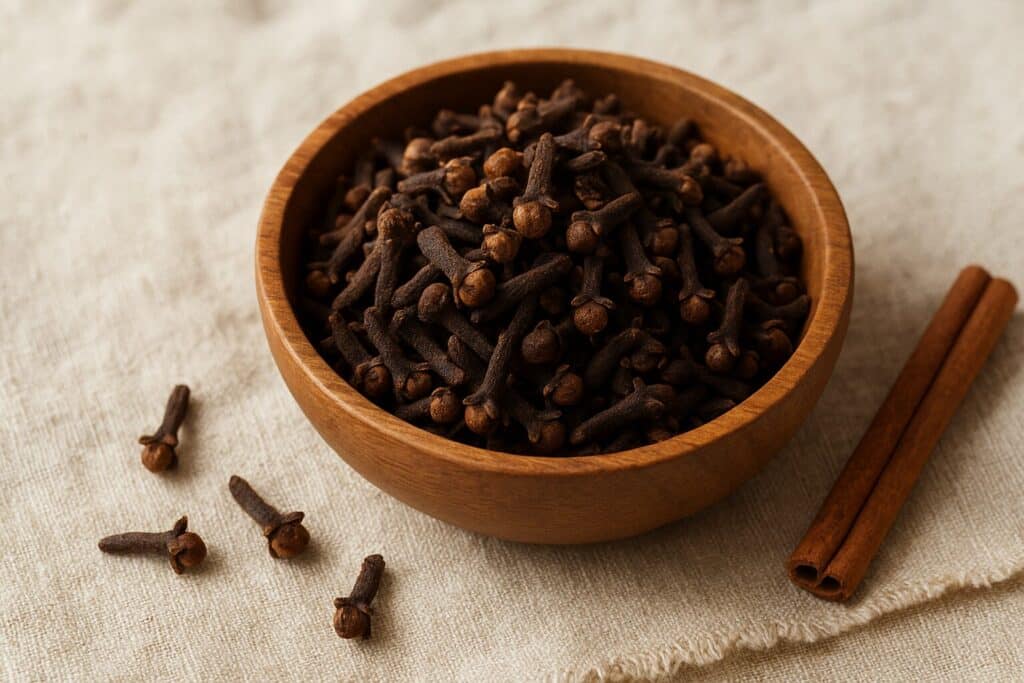
Whole cloves are the dried, unopened flower buds of the Syzygium aromaticum tree, a tropical evergreen native to the Maluku Islands. For centuries, these small, nail-shaped spice buds have been valued not just for their intense flavor in the kitchen, but as a staple in traditional wellness practices. Rich in aromatic oils, cloves offer a versatile way to support personal well-being naturally. By understanding how to handle and prepare them, you can easily transition from using them as a simple pantry spice to a functional tool for oral freshness, digestive comfort, and a more inviting home environment.
When selecting cloves for wellness use, look for buds that are plump and a rich, dark reddish-brown color. A high-quality clove should have a lighter-colored head and feel slightly oily to the touch when squeezed. If they are brittle or dusty, they have likely lost the essential oils that provide their characteristic aroma and benefits. Keeping a small jar of whole cloves in your medicine cabinet or kitchen pantry ensures you have a quick remedy for various household needs, from freshening the air to preparing a soothing evening drink.
Traditional Oral Care and Breath Refreshment
One of the most immediate ways to use whole cloves is for oral hygiene. In many cultures, cloves have served as a natural alternative to synthetic breath mints. The practice of gently chewing on a single whole clove allows the aromatic oils to release slowly, providing a clean, spicy sensation that helps mask odors. It is important to avoid biting down hard or swallowing the clove immediately; instead, let it sit in the mouth to soften against the cheek or under the tongue.
DIY Clove Mouth Rinse
For a refreshing feeling throughout the mouth, you can create a simple rinse by steeping several whole cloves in warm water. Once the liquid has cooled, use it to swish after meals. This traditional method is a gentle way to maintain a fresh feeling without the harsh alcohol found in many commercial products. You can customize this rinse by adding a pinch of sea salt or a few drops of peppermint extract for an extra cooling effect. Keep the rinse in a glass jar in the refrigerator for up to three days to maintain freshness.
While many people find relief from occasional oral discomfort by placing a softened clove near a sensitive area, this should only be a temporary measure. If you experience persistent tooth pain, gum sensitivity, or swelling, it is essential to consult a dentist, as herbal rinses and whole spices are not a substitute for professional dental care. For more on the historical context of these applications, you can read about the traditional health benefits of cloves and how to use them.
Soothing Herbal Infusions and Digestive Teas
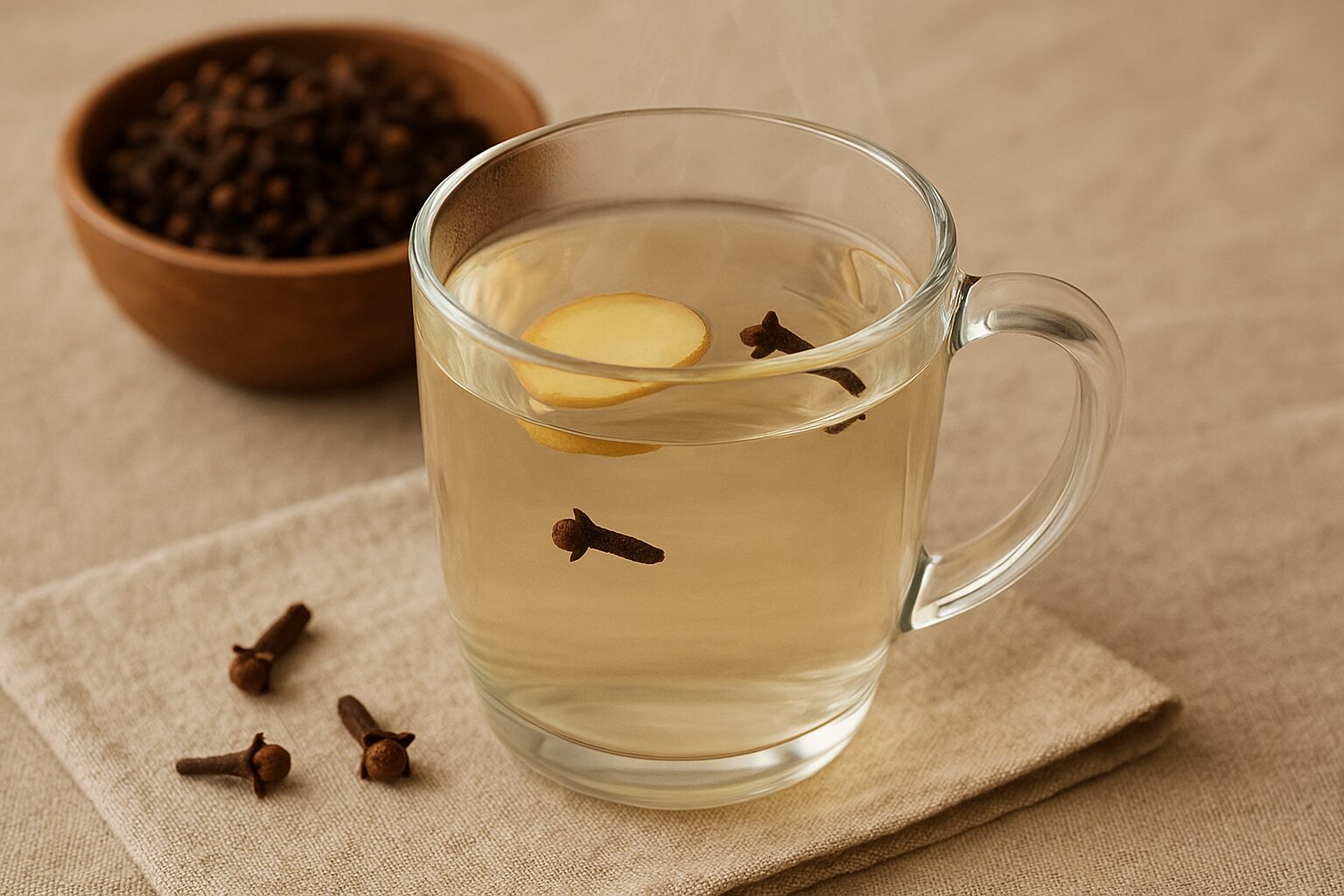
Whole cloves are a popular addition to herbal teas, particularly when seeking digestive comfort after a heavy meal. The warm, pungent nature of cloves makes them an ideal companion for other botanicals. To make a simple infusion, place two or three whole cloves in a mug of hot water and let them steep for several minutes. The longer they sit, the more intense the flavor and oil concentration will become. Using the whole bud rather than powder ensures a clearer liquid and a more controlled release of flavor.
Combining Botanicals for Comfort
You can enhance the experience by layering flavors based on your specific needs. Try these combinations in your next teapot:
- Cloves and Ginger: This is a classic pairing for warming the body on cold days. Use fresh sliced ginger for a zingy kick that complements the deep base notes of the clove.
- Cloves and Cinnamon: Excellent for a naturally sweet, spicy aroma. This blend is often used in the evening to create a sense of relaxation without caffeine.
- Cloves and Peppermint: A balanced blend for post-dinner relaxation. The cooling mint contrasts beautifully with the heat of the clove.
- Cloves and Fennel Seeds: A traditional digestive blend often served after meals in many Mediterranean and Asian cultures.
When learning how to prepare cloves for traditional wellness, remember that a little goes a long way. Over-steeping can lead to a bitter taste that may overpower the other herbs in your blend. Start with a short steep time of three to five minutes and adjust based on your personal preference for strength.
Aromatic Home Wellness and Natural Fragrance
Beyond personal care, whole cloves are exceptional for improving the atmosphere of your home. During colder months, creating clove-studded pomanders is a time-honored tradition. By piercing the skin of an orange with whole cloves in decorative patterns, you create a long-lasting natural air freshener. As the orange dries, it releases a scent that is both citrusy and spicy. For more information on this specific practice, you can explore oranges and cloves for natural home wellness and fragrance.
Simmer Pots and Pantry Tips
If you prefer an immediate scent, place a handful of cloves in a pot of simmering water on the stove. This acts as a natural humidifier and disperses a grounding, spicy scent throughout the living space. You can add apple peels, star anise, or pine needles to the pot to create a custom seasonal fragrance. This is a much safer alternative to synthetic candles for those with respiratory sensitivities.
Additionally, placing whole cloves in small breathable sachets inside your pantry can help maintain a clean environment. Many common household pests, such as ants and moths, are deterred by the strong, sharp aroma of the spice. Replace the cloves in these sachets every few months to ensure the scent remains strong enough to be effective. You can also drop a few cloves into the bottom of your trash can before adding a liner to help neutralize unwanted odors naturally.
Topical Applications and Clove-Infused Oils
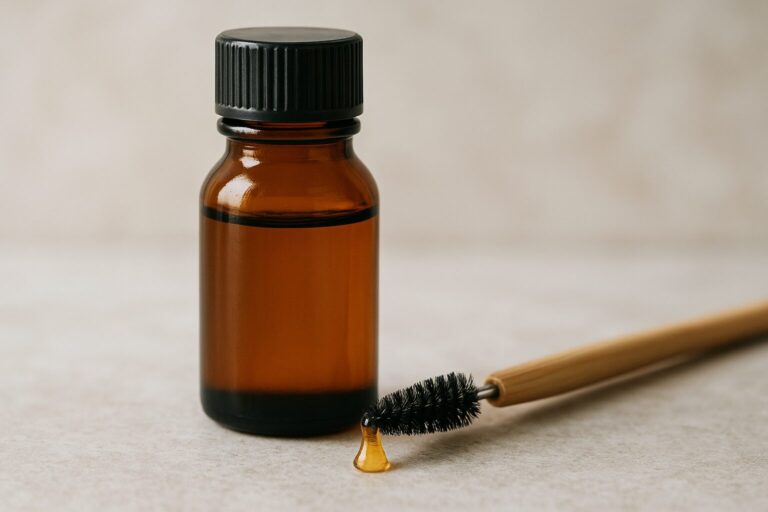
For those interested in topical wellness, whole cloves can be used to create an infused carrier oil. This involves placing whole cloves in a jar of oil—such as jojoba, sweet almond, or olive oil—and allowing it to sit for several weeks in a cool, dark place. This slow infusion process draws out the fat-soluble aromatic compounds without the extreme concentration found in steam-distilled essential oils. The resulting oil carries the essence of the cloves and can be used for a warming massage on the skin, often practiced to provide a sense of topical warmth to tired joints.
Safety and Dilution
Because clove compounds are very potent, safety is paramount. Even a home-infused oil can be irritating to sensitive skin. Always perform a patch test on a small area of skin, such as the inner wrist, before wider application. Wait 24 hours to check for any redness or itching. Avoid applying infused oils near the eyes, mucous membranes, or on broken skin.
If you have a chronic skin condition or are using prescription topical treatments, talk to a dermatologist before incorporating new herbal topicals into your routine. Understanding how to prepare herbs for medicinal use at home ensures you maintain the correct balance between efficacy and safety. Never apply undiluted clove essential oil directly to the skin, as it is a known dermocaustic and can cause chemical burns.
Culinary Enhancement for Nutritional Support
Using whole cloves in cooking is perhaps their most common application, yet many people overlook the wellness benefits of these culinary choices. Adding cloves to savory broths, stews, and grain dishes allows the compounds within the spice to be released slowly during the cooking process. This adds depth to the flavor profile and integrates the spice's traditional properties into your diet. In many traditions, cloves are added to heavy meat dishes to assist with the richness of the meal.
Cloves are also a staple in pickling liquids and fermented foods like sauerkraut or pickled beets. Their natural properties help in the preservation process while imparting a unique tang. When using whole cloves in liquids or rice, it is a practical tip to place them in a reusable tea ball or cheesecloth bag. This makes it easy to remove them before serving, preventing someone from accidentally biting into a whole, bitter clove, which can be an overwhelming sensory experience. If you are looking for more ways to integrate whole spices into your diet, you might find inspiration in healthy garlic dinner ideas using raw and roasted cloves, which explores similar aromatic profiles.
For those focused on liquid nutrition, cloves can be added to smoothies or juices. Simply grind a single whole clove just before use to ensure the oils are fresh. This adds a warm complexity to green juices or apple-based smoothies, providing a different flavor dimension than the usual cinnamon or ginger.
Safety Considerations and Mindful Usage
While whole cloves are generally safe for culinary use, concentrated or frequent use requires mindfulness. Some individuals may experience allergic reactions or skin irritation when exposed to the oils in cloves. It is particularly important for pregnant or nursing individuals to consult their healthcare provider before using cloves in therapeutic amounts or high-concentration infusions, as the effects in these groups are not fully documented for all applications.
Furthermore, cloves contain compounds like eugenol that may interact with certain medications. This is especially true for those taking blood-thinning medications or drugs used for diabetes management. Because cloves may influence blood sugar and clotting times, it is wise to speak with a pharmacist or doctor before starting a regular regimen of clove tea or concentrated infusions. If you are exploring various botanicals, you can find more guidance in medicinal herbs tips for safe and effective home use.
Always prioritize professional medical advice over home remedies when dealing with specific health concerns. If you notice any unusual symptoms like hives, swelling, or digestive distress after consuming cloves, discontinue use immediately. For those monitoring their weight or metabolic health, incorporating spices like cloves into a balanced lifestyle can be a flavorful way to support your goals. You can read more about this in our guide on herbal teas for weight loss and practical ways to use them.
Frequently Asked Questions
Can I swallow a whole clove after chewing it?
While swallowing a single clove after it has softened is generally not harmful for most adults, it is usually better to spit it out. The texture is woody and can be difficult to digest, and the primary benefits for breath and oral care come from the oils released during the chewing process rather than ingestion. If you do swallow it, ensure it is fully softened to avoid throat irritation.
How many whole cloves can I safely use in a cup of tea?
For a standard mug of tea, using two to three whole cloves is typically sufficient to provide a strong flavor and aromatic benefit. Using more than five cloves in a single serving may result in a very pungent, numbing sensation in the mouth and could lead to stomach upset for sensitive individuals. It is best to start with one or two and increase only if you enjoy the intensity.
Do whole cloves lose their potency over time?
Yes, whole cloves lose their aromatic oils over time. When stored in a cool, dark, airtight container, they generally remain potent for about one year. You can check freshness by pressing a fingernail into the stem; if it releases a strong aroma and a tiny bit of oil, it is still good to use. If they snap easily without any scent, they are likely too old for wellness applications.
Are there any people who should avoid using cloves entirely?
People scheduled for surgery within two weeks should avoid therapeutic use of cloves, as they may affect blood clotting. Additionally, those with known allergies to the Myrtaceae plant family or individuals with severe liver conditions should consult a doctor before use. Small children should also avoid chewing whole cloves due to the risk of choking and the intensity of the oils on their sensitive mucous membranes.
Can I reuse cloves after they have been simmered or steeped?
While you can technically reuse cloves once, they will have significantly less flavor and fewer aromatic oils after the first use. For a simmer pot, you can leave them in the water for a day or two, but for tea or oral care, it is best to use fresh buds each time to ensure you are getting the full benefit of the spice's natural oils.
Leave a Reply