
The Tradition of Nourishing Herbal Broths
Chicken soup is recognized worldwide as a quintessential comfort food, valued for its warmth and simplicity. At its core, the dish consists of a clear chicken broth created by simmering chicken in water, often accompanied by various vegetables, grains, or noodles[1]. While many cultures have their own version of this staple, traditional Chinese herbal soups stand apart through the intentional inclusion of specific roots, barks, and dried fruits. In the context of natural wellness, these soups are more than just a meal; they represent a cultural practice of 'tonifying' or strengthening the body during seasonal transitions. By slow-cooking these ingredients, the essence of the herbs is drawn into a savory decoction designed to provide deep nourishment when the temperature drops.
This culinary tradition is rooted in the belief that food serves as the primary source of vitality. The process of simmering allows for the breakdown of tough plant fibers and the extraction of compounds that might not be accessible through other cooking methods. Unlike quick-stir-fry dishes, these soups require a contemplative approach to preparation, where time is the most critical ingredient. The resulting liquid is intended to be easily digestible, making it a preferred choice for individuals recovering from seasonal fatigue or those looking to maintain their internal balance during the harsh winter months.
Essential Herbs for a Traditional Winter Soup
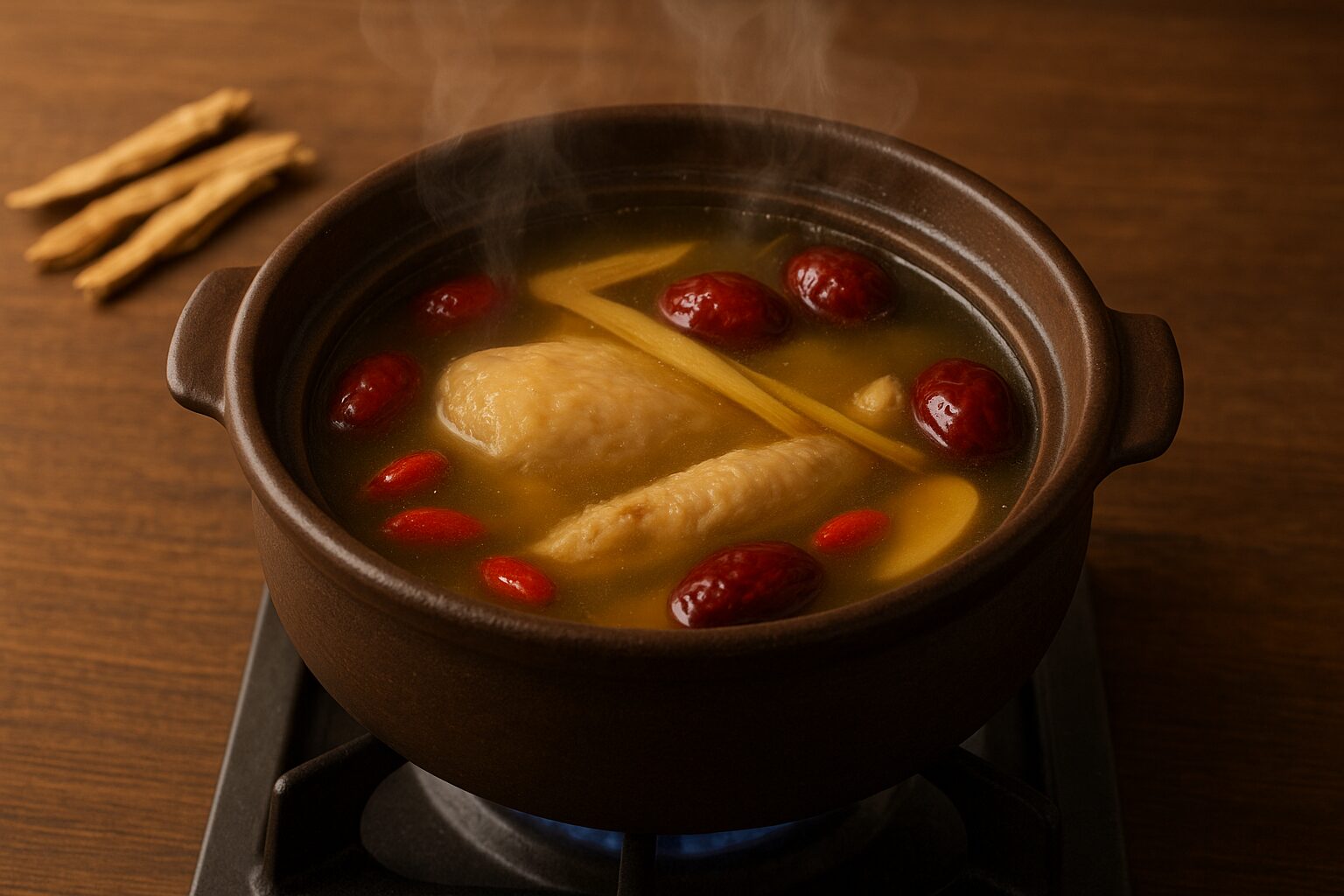
The character of a Chinese herbal soup is defined by its botanical profile. Unlike Western soups that rely heavily on fresh aromatics like leeks or parsley, these recipes utilize dried ingredients known for their traditional properties. Two of the most common additions are Goji berries (Lycium barbarum) and Red Dates (Jujube). These fruits add a gentle, natural sweetness that balances the more earthy tones of medicinal roots. Because these fruits are dried, they act as concentrated flavor enhancers that release their sugars slowly into the broth.
Core Roots and Sourcing
Many traditional preparations also feature Astragalus root (Huang Qi) and Codonopsis (Dang Shen). These are often sold in long, dried strips or slices. In herbal traditions, these ingredients are selected based on whether they offer warming or cooling properties to help balance the body's internal state. When selecting these herbs, it is best to visit reputable Asian grocers or professional herbalists to ensure the ingredients are sulfur-free and of high quality. High-quality dried jujubes should be plump and deep red, while goji berries should retain a vibrant orange-red hue. You may also encounter Huai Shan (dried Chinese yam), which appears as chalky white slices and is traditionally used to support digestive harmony.
Understanding the texture of these herbs is vital for preparation. Some roots, like the woody Astragalus, are not meant to be eaten but rather discarded after their properties have been infused into the water. Others, like the softened dates, can be consumed as part of the meal. When building your herbal kit, look for whole pieces rather than powders, as whole herbs allow for a clearer broth and a more controlled infusion rate during the long simmering process.
The Role of Chicken in Herbal Decoctions
The use of chicken in soup is a practice with deep historical roots, likely dating back to the Neolithic period following the bird's domestication[1]. In traditional Chinese cooking, the choice of bird is significant for the final quality of the broth. While standard yellow-skinned chickens are common, many wellness enthusiasts prefer 'Silkies'—a unique breed with black skin and bones—which are traditionally prized for their distinct nutritional profile. These birds are often smaller and leaner, providing a more intense, savory flavor that pairs exceptionally well with bitter or earthy herbs.
Preparation for Clarity
Regardless of the breed, using bone-in chicken is preferred. Simmering the bones and connective tissues helps extract minerals and collagen, resulting in a richer mouthfeel. To achieve a clean, medicinal-tasting broth, it is helpful to remove excess fat and skin before or during the cooking process. This ensures the focus remains on the herbal infusion rather than a heavy, oily liquid. A clear broth is often seen as a sign of a well-prepared tonic, allowing the subtle flavors of the herbs to shine through without being masked by grease. For those who prefer a lighter version, using just the drumsticks or the carcass of a roasted chicken can still produce a flavorful base, though fresh, raw chicken is the standard for traditional decoctions.
In many households, the chicken is not just a source of flavor but a source of protein that is consumed alongside the soup. If the chicken is simmered for the full duration, the meat may become very soft and lose some of its individual flavor to the broth. To prevent this, some cooks choose to remove the meat once cooked through and return it to the pot just before serving, though the traditional method involves leaving the chicken in for the entire duration to ensure the broth is as potent as possible.
Mastering the Slow-Simmer Technique
The secret to a successful herbal soup lies in patience and temperature control. The preparation involves bringing the soup slowly to a boil and then immediately reducing the heat to a very low flame[1]. The pot should remain covered to prevent the evaporation of the water and the delicate volatile compounds found within the herbs. A typical simmer duration ranges from one to three hours, depending on the toughness of the roots used[1]. This extended time allows the water to penetrate the dense cells of the dried roots, effectively drawing out their essence.
Choosing the Right Vessel
Maintaining a gentle simmer is crucial; a rapid, rolling boil will emulsify fats and particles, resulting in a cloudy, opaque soup. To preserve the properties of the herbs, traditional practitioners often recommend using clay pots or ceramic slow cookers. These materials provide even heat distribution and are non-reactive, which is particularly important when working with concentrated herbal ingredients over several hours. Metallic pots, especially those made of aluminum or unlined iron, are sometimes avoided in traditional practices as they may react with the herbal constituents and alter the taste or properties of the soup.
When using a slow cooker, you can set the device to a low setting and allow it to cook overnight or throughout the day. This method is highly effective for breaking down the fibrous structure of herbs like Dong Quai (Angelica sinensis). If you notice the water level dropping too low, always top it up with boiling water rather than cold water to avoid shocking the ingredients and stalling the extraction process. The goal is a steady, rhythmic bubble that barely breaks the surface of the liquid.
Complementary Ingredients and Flavor Profiles
While the herbs provide the functional foundation, other ingredients can enhance the soup's palatability and nutritional value. Root vegetables such as carrots, parsnips, or sweet potatoes are frequently added to provide natural sugars and a soft texture[1]. Aromatics play a supporting role as well; whole garlic cloves, fresh ginger slices, and green onions are common additions that help round out the flavor profile[1]. These additions help bridge the gap between a medicinal tonic and a delicious meal.
- Ginger: Adds a zesty warmth that complements the sweetness of red dates and helps balance the 'coolness' of certain herbs.
- Garlic: Provides a savory depth when simmered whole and is a staple in many traditional wellness recipes.
- Goji Berries: These delicate berries are often added toward the end of the cooking process to ensure they retain their shape and do not dissolve completely into the liquid.
- Dried Scallops or Shiitake: For an extra boost of umami, some recipes include a few dried shiitake mushrooms or dried scallops, which add a marine or earthy complexity to the chicken base.
In this style of cooking, heavy seasoning with salt or soy sauce is usually avoided until the very end. The goal is to appreciate the natural, complex flavors of the chicken and the botanicals. For those interested in long-term wellness practices, learning to balance these earthy and sweet notes is a key skill, much like the habits of a 95-year-old Chinese doctor who prioritizes daily liquid nourishment for internal health. By keeping the sodium low, you allow the true character of the herbs to be the star of the dish.
Integrating Herbal Soup into Your Wellness Routine
Herbal chicken soup is traditionally consumed during the winter months or during seasonal transitions when the body may need extra support. It is often served as a starter or a light evening meal. If you make a large batch, the broth can be stored in the refrigerator for a few days or frozen for longer periods. When reheating, do so gently on the stove rather than using a microwave to maintain the integrity of the broth and ensure the heat is distributed evenly throughout the liquid.
Safety and Consultations
Because some herbs used in these soups have potent properties, it is wise to consult with a Traditional Chinese Medicine (TCM) practitioner or a pharmacist, especially if you are managing a chronic condition. Pregnant women and individuals on blood-thinning or blood-sugar medications should exercise caution with concentrated herbs like Astragalus or Angelica root. Always start with smaller amounts of herbs to see how your body responds, and prioritize a balanced diet alongside these traditional remedies. It is also helpful to keep a record of which herbal combinations you enjoy most and how they make you feel, as personal constitution plays a large role in how one reacts to different botanicals.
For those new to the practice, consider starting with a pre-packaged herbal soup mix from a trusted vendor. These kits are often balanced by experts to provide a harmonious blend of flavors and properties, taking the guesswork out of measuring individual roots. As you become more comfortable with the flavors, you can begin to customize your soups by adding more ginger for warmth or more red dates for sweetness, tailoring each pot to your specific needs and the changing seasons.
Frequently Asked Questions
Can I use a pressure cooker to save time when making Chinese herbal soup?
A pressure cooker can be used to reduce the time spent in the kitchen compared to traditional stovetop simmering. While the high pressure accelerates the softening of roots and chicken, traditionalists often prefer the slow-simmer method because it is believed to extract the herbal properties more gently. If you choose this modern method, be careful not to overfill the pot, as dried fruits like jujubes can expand during the cooking process.
Should I wash the dried herbs before adding them to the pot?
It is standard practice to give dried herbs a quick rinse under cool running water before use. This simple step removes any surface dust or debris that may have accumulated during the drying and packaging process. For denser, woodier roots, a brief soak in room-temperature water can also help them begin to rehydrate, ensuring a more efficient extraction once they are added to the simmering broth.
Is it necessary to prepare the chicken in a special way before starting the soup?
Many traditional recipes suggest a brief initial boil of the chicken in a separate pot of water, which is then discarded. This 'blanching' step is intended to remove surface impurities and excess blood, resulting in a much clearer and cleaner-tasting final broth. Once the chicken has been briefly boiled and rinsed, it can be placed in the main soup pot with fresh water and the herbal ingredients to begin the long simmer.
Can I eat the herbs after they have been simmered in the soup?
Goji berries and red dates become soft and flavorful after simmering, making them a pleasant part of the meal. However, woody or fibrous roots like Astragalus or Codonopsis are typically removed before the soup is served. While they have infused the broth with their properties, their physical texture remains tough and unpalatable. Always check which ingredients are meant for consumption and which are purely for infusion.
How often should I drink herbal chicken soup during the winter?
In many traditional wellness practices, a bowl of herbal soup is enjoyed once or twice a week during the colder months to support the body's natural resilience. It is meant to be a nourishing addition to a diverse and balanced diet rather than a primary meal replacement. It is always best to listen to your body's cues and adjust the frequency of these traditional broths based on your personal comfort and seasonal needs.
Sources
Source and attribution: www.pinterest.com
Leave a Reply