The Foundation of Traditional Chinese Herbal Preparation
Traditional Chinese herbology is an intricate system of natural wellness that has evolved over thousands of years to support the body's internal balance. The scope of this practice is immense, utilizing roughly 13,000 different medicinals[1]. While plant elements and extracts are the most common components used in modern wellness routines, the system also historically incorporates various inorganic minerals and animal-derived substances[1]. The scale of this traditional knowledge is reflected in historical records, with over 100,000 medicinal prescriptions documented in ancient literature[1]. Understanding these recipes requires a look at how different materials are processed and combined according to traditional principles to promote vitality and harmony.
The Diversity of Traditional Ingredients and Regional Variations
While many modern enthusiasts focus on roots, leaves, and flowers, the traditional system encompasses a much broader range of materials than typical western herbalism. This diversity includes the historical use of inorganic minerals and various mammalian elements[1]. In ancient texts such as the Bencao Gangmu, there are descriptions of using various human-derived elements, including hair, fingernails, and specific sediments[1]. While these specific animal or human-derived ingredients are less common in contemporary commercial preparations, they remain a part of the historical record of the 13,000 medicinals used in China[1].
It is important to recognize that these practices are part of a wider regional tradition across East Asia. For instance, in Korea, more than 5,000 herbs and 7,000 herbal formulas are utilized[1]. Related systems like Japanese Kampo and Vietnamese Thuoc Bac also share these foundational roots, often using the same plant elements and extracts[1]. Today, most accessible herbal recipes focus on botanical extracts, but the historical inclusion of minerals and animal parts highlights the complexity of these traditional formulas.
The Art of the Decoction: Crafting Traditional Herbal Soups
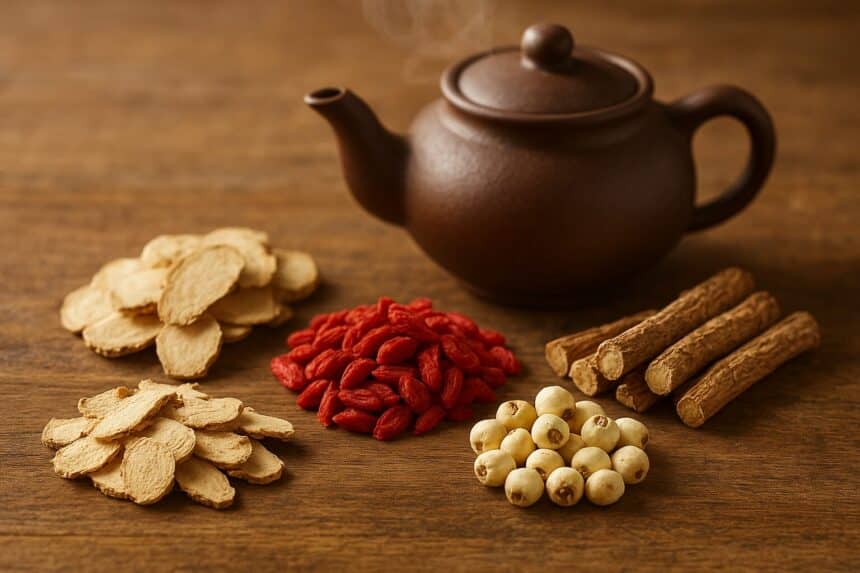
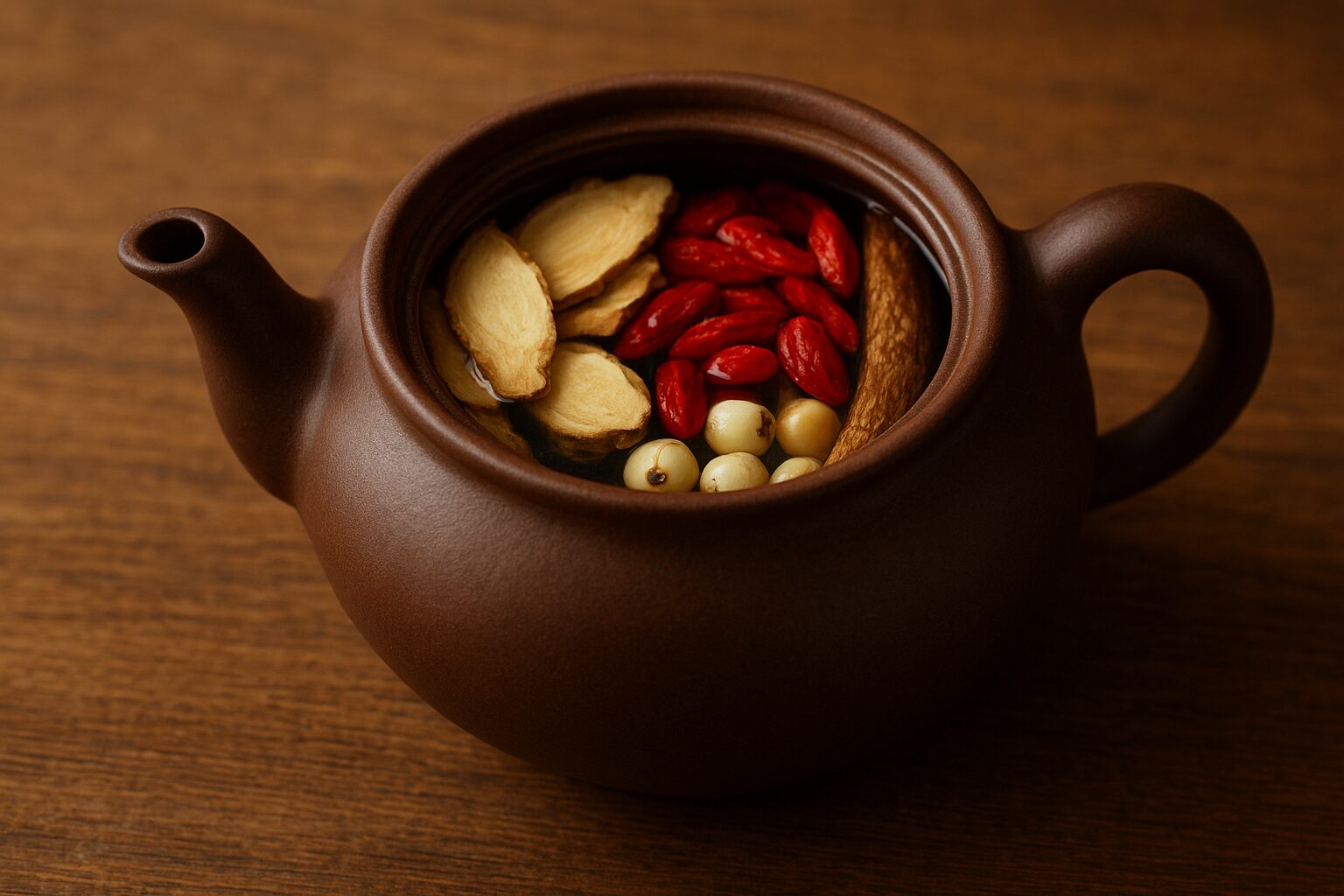
The most common and time-honored method for preparing Chinese herbal recipes is the decoction, known as 'Tang.' This process involves simmering raw or dried herbs in water to extract their active properties into a concentrated liquid. Unlike simple tea steeping, a decoction is designed to break down the tough cellular structures of medicinal plants. To begin, herbs are generally placed in a ceramic or glass pot and covered with water. Many practitioners suggest a preliminary soaking period to allow the water to penetrate the dried materials, which can help the subsequent extraction during the heating phase.
Mastering the Simmering Process
Traditional preparation emphasizes temperature control, often categorized by the intensity of the heat. The process typically starts with a higher heat to bring the water to a boil. Once the liquid reaches a boiling point, the heat is reduced to a gentle simmer. This steady, low-heat extraction is vital for preserving the delicate components of the herbs while ensuring the denser materials, such as woody roots or barks, have enough time to release their beneficial properties. The duration of this simmer varies significantly; aromatic leaves and flowers require much less time than hard roots or minerals. When a recipe calls for both delicate and hardy ingredients, they are often added to the pot at different stages to prevent overcooking the fragile parts.
Synergy in Formulas: The Hierarchical Structure of Recipes
In Chinese herbology, ingredients are rarely used in isolation. Instead, they are combined into formulas based on a hierarchical structure known as Jun-Chen-Zuo-Shi. This translates to the Emperor, Minister, Assistant, and Envoy roles within a single recipe. This sophisticated approach ensures that the herbs work together synergistically rather than competing with one another.
- The Emperor (Jun): This is the primary herb in the recipe. It is responsible for addressing the main wellness goal and usually carries the strongest properties in the formula.
- The Minister (Chen): This herb supports the Emperor. It may enhance the primary herb's effects or address secondary concerns related to the main goal.
- The Assistant (Zuo): This role is multifaceted. Assistants can help minimize potential side effects of the primary herbs, harmonize the formula, or provide a counter-balancing property to keep the recipe gentle.
- The Envoy (Shi): The Envoy acts as a guide, directing the energy of the formula to specific parts of the body or ensuring all other ingredients work in harmony.
This balance is crucial for creating a formula that is effective yet suitable for the individual. Because these combinations are so specific and tailored to a person's unique constitution, consulting a professional is often necessary. For those interested in how these traditions are applied in modern times, reading about how a 95-year-old Chinese doctor drinks this daily can offer insight into the long-term lifestyle integration of these practices.
Powders, Pills, and Tinctures: Diverse Delivery Methods
Beyond liquid soups, traditional recipes are often prepared as 'San' (powders) or 'Wan' (pills). These formats were historically developed for convenience and for conditions that required a slower, more sustained release of herbal properties. Powders are created by grinding dried herbs into a fine consistency. These can be mixed into warm water or even added to foods. This method is often favored when a practitioner wants the body to absorb the entire substance of the herb rather than just the water-soluble extract.
Pills are traditionally created by mixing herbal powders with a binding agent, most commonly honey or water. Honey-bound pills are particularly common in traditional recipes intended for long-term nourishment, as honey is believed to have its own beneficial properties while acting as a natural preservative. Another common preparation involves alcohol-based extractions. In a traditional context, alcohol is thought to improve circulation and help 'move' the herbal properties through the body more rapidly, making it a preferred medium for recipes intended to address physical stagnation or discomfort in the joints and muscles.
External Applications: Plasters and Herbal Soaks
Chinese herbal medicine is not limited to internal consumption; external recipes play a significant role in traditional wellness. These preparations, often called 'Gao' (pastes or plasters) and 'Xi' (washes), allow for the topical application of herbal properties. A traditional herbal soak, for example, might involve a decoction of warming herbs added to a foot bath to promote relaxation and circulation after a long day. This method allows the skin to interact with the herbal infused water, providing a gentle way to experience the benefits of the plants.
Herbal plasters are more concentrated. They are often made by mixing herbal powders with oils or resins to create a thick paste that is applied directly to the skin. This paste is then covered with a cloth and left for several hours. This allows for a localized and prolonged application of the herbs. While these methods are generally considered milder than internal formulas, it is still important to test a small patch of skin first to ensure there is no sensitivity or allergic reaction to the botanical ingredients used in the recipe.
Safety, Sourcing, and Professional Guidance
When exploring traditional herbal recipes, sourcing is the most critical factor for safety and efficacy. Herbs should be obtained from reputable suppliers who provide transparency regarding their testing for heavy metals, pesticides, and sulfur fumigation. Because some traditional recipes historically included potent minerals or animal parts that may carry significant safety risks, it is vital to avoid self-prescribing these complex materials[1]. Modern practitioners usually focus on high-quality plant extracts that meet strict safety standards.
It is always recommended to consult with a licensed practitioner of Chinese medicine before starting a new herbal regimen. They can ensure the formula is appropriate for your specific body type and monitor for any adverse reactions. Furthermore, if you are taking prescription medications, it is essential to speak with a medical doctor or pharmacist. Herbal compounds can interact with pharmaceuticals in ways that may alter their effectiveness or cause unwanted side effects. Professional guidance ensures that your journey into traditional herbal recipes is both safe and supportive of your overall health goals.
Frequently Asked Questions
What is the most common way to prepare Chinese herbs at home?
The most traditional home preparation is the decoction, or 'Tang.' This involves simmering raw, dried herbs in water to create a concentrated medicinal soup. This method is favored because the heat and water effectively extract the active compounds from roots, barks, and leaves, making them easier for the body to absorb compared to raw powders.
Can I reuse the herbs for a second boiling?
Yes, it is a common traditional practice to perform a second boiling. After the first batch of liquid is strained off, fresh water is added to the same herbs for a second simmer. Often, the liquid from both the first and second extractions is mixed together to ensure a consistent concentration of the herbal properties throughout the day.
Why do some traditional recipes include non-plant ingredients like minerals?
Traditional Chinese medicine utilizes roughly 13,000 different substances, including minerals and animal parts [1]. Minerals are often used in recipes because they are believed to provide 'heavy' or grounding properties. However, because these materials can be complex or contain impurities, they require specialized traditional processing and should only be used under professional supervision.
How do I know if a recipe is right for my body type?
In traditional herbology, recipes are not 'one size fits all.' A formula is chosen based on an individual's specific constitution and current state of balance. This is why professional consultation is key; a practitioner will evaluate various signs to determine which combination of 'Emperor' and 'Minister' herbs will best support your unique needs without causing imbalance.
Is it safe to combine Chinese herbs with my current medications?
You should never combine herbal recipes with pharmaceutical medications without professional medical advice. Some herbs can significantly increase or decrease the absorption of drugs, leading to dangerous interactions. Always disclose your herbal use to your primary physician and consult a licensed herbalist to ensure a safe and effective schedule.
Sources
This article is general information, not medical advice. Talk to your doctor or another qualified health professional about your own situation, especially before changing medication, diet or exercise.