
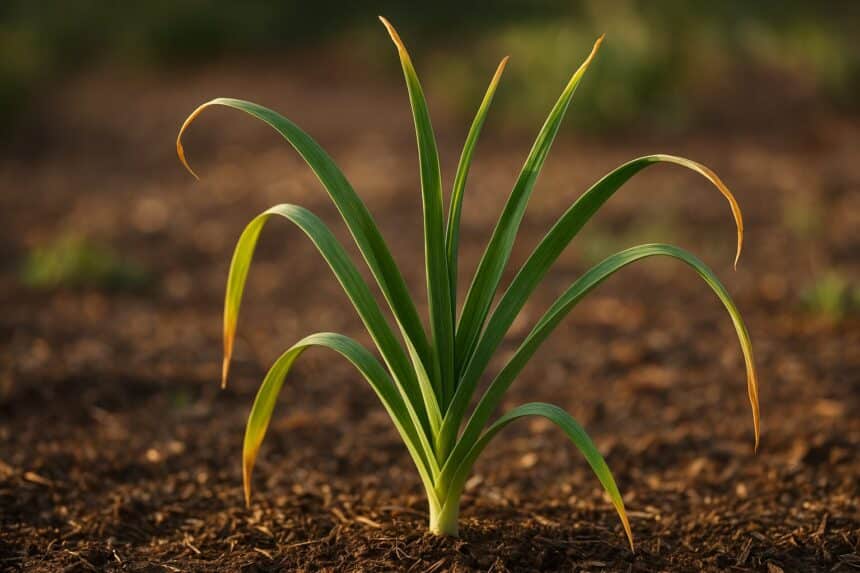
Understanding Why Garlic Tips Turn Brown
Garlic, known botanically as Allium sativum, is a perennial flowering plant belonging to the Allium genus, which also includes onions, leeks, and chives[1]. Originally native to Central Asia, northeastern Iran, and the Himalayan foothills, it has become a staple in gardens and traditional wellness practices worldwide[1]. When you notice the tips of your garlic leaves changing color, it can be a source of concern for any home gardener. These changes are often the first sign of the plant's internal state. Sulfur compounds are responsible for the pungent odor and flavor we associate with the bulb, and the health of the foliage directly influences how these compounds develop during the growing season[1]. Identifying whether browning is a natural part of the plant's lifecycle or a response to environmental stress is the first step in ensuring a successful harvest. Because garlic has been used for thousands of years as a seasoning and traditional medical remedy, maintaining the health of the plant from tip to root is essential for those who value its botanical properties[1].
Natural Lifecycle vs. Environmental Stress
In the world of garlic cultivation, not all browning is bad news. As garlic reaches the end of its growing cycle, it naturally undergoes senescence. This is a process where the plant begins to redirect energy from its leaves down into the bulb to finalize its growth. Unlike garlic tips turning yellow, which often signals a specific nutrient or moisture imbalance earlier in the season, browning near harvest time is often a sign of maturity. However, environmental factors can trigger premature browning. Garlic is grown globally, with China producing the majority of the world's supply as of 2024[1], and it must adapt to various climates. Sudden frost or extreme heat waves can cause 'tip burn,' where the delicate ends of the leaves dry out and turn brown despite the rest of the plant remaining green. Consistent moisture levels help the plant manage these temperature fluctuations, while erratic watering often exacerbates the issue.
Weather Impacts and Acclimatization
Garlic is a resilient crop, but it is sensitive to rapid shifts in the environment. If you experience a sudden dry spell accompanied by high winds, the tips of the leaves may transpire moisture faster than the roots can provide it. This localized dehydration leads to the characteristic brown, crispy ends. To mitigate this, consider the use of windbreaks or temporary shade cloth during record-breaking heat. Conversely, in very cold regions, late-season frosts can freeze the water within the leaf cells at the extremities, causing them to collapse and turn brown once they thaw. While this rarely kills the plant, it can reduce the photosynthetic surface area available to the bulb during its final swell.
Soil Health and Nutrient Balance in the Garlic Patch
Soil quality is paramount for bulbous flowering plants like garlic[1]. The health of the leaves is a direct reflection of what is happening beneath the surface. When garlic tips turn brown and crispy, it may indicate a struggle with soil minerals or moisture retention. While nitrogen is essential for leafy growth, an excess can lead to weak tissues that brown easily, while a deficiency can cause the plant to pull mobile nutrients from the tips to support new growth, leading to dieback. Managing the root environment is key to preventing this stress. Using natural compost and organic mulch can help stabilize soil temperature and keep moisture levels even. Because garlic is sensitive to standing water, ensuring the soil drains well prevents root stress that can manifest as discolored leaf tips. A balanced soil environment allows the plant to focus its energy on producing the sulfur-rich cloves used in traditional remedies[1].
Optimizing Soil Structure
To avoid the physiological stress that leads to browning, aim for a loamy soil structure rich in organic matter. Sandy soils drain too quickly, often leaving the leaf tips parched, while heavy clay soils can suffocate the roots. If your soil is heavy, planting in raised beds can significantly improve drainage. Additionally, the pH of the soil plays a role in nutrient availability. If the soil is too acidic or too alkaline, the garlic plant may be unable to access the very minerals it needs to maintain green, healthy foliage. Regular additions of well-rotted leaf mold or aged manure can buffer the soil and provide a slow-release source of the macronutrients required for robust growth.
Detecting Fungal and Pest Issues Naturally
Sometimes, browning tips are a symptom of unwanted visitors or pathogens. Pests such as thrips or mites can feed on the leaves, causing the tips to wither and turn brown. Furthermore, fungal issues like rust or blight often begin as small spots or discolorations at the leaf extremities before moving down toward the neck of the bulb. Maintaining plant health is vital, as there is a documented relationship between plant stress and the concentration of beneficial compounds within the garlic[1]. To manage these issues naturally, practice crop rotation by not planting Allium species in the same spot year after year. Starting with clean, high-quality planting stock is also essential to prevent introducing soil-borne diseases. If you notice signs of fungal spread, removing the affected foliage early can sometimes help, though it is often better to focus on preventative measures like proper spacing for airflow and avoiding overhead watering which can linger on the leaves.
Natural Pest Deterrents
If thrips are the culprit behind your browning tips, you might notice a silvery sheen on the leaves before they turn brown. These tiny insects rasp at the leaf surface. Using reflective mulches can sometimes disorient these pests. For fungal concerns like Puccinia allii (garlic rust), keep an eye out for orange pustules that often precede the browning of the leaf tips. Encouraging a diverse garden ecosystem with beneficial insects can help keep pest populations in check. If a particular area of your garden consistently produces garlic with diseased tips, it may be time to solarize the soil or move your garlic patch to a completely different section of the yard to break the disease cycle.
Harvesting and Preserving Your Garlic for Wellness
Knowing when to harvest is an art that relies heavily on observing the leaves. Generally, when the bottom one-third to one-half of the leaves have turned brown, the bulb has reached its peak size and is ready for extraction. Harvesting too early results in small bulbs, while waiting until the entire plant is brown can cause the bulb wrappers to decay, shortening the garlic storage life. Once harvested, proper curing is essential to maintain the integrity of the bulb's properties. Hang the garlic in a shaded, well-ventilated area for several weeks until the outer skins are papery. This preservation method protects the sulfur compounds and ensures the garlic remains viable for culinary and traditional medical uses[1]. Whether you plan on using your harvest for healthy garlic dinner ideas or as a base for home wellness preparations, a careful harvest is the final step in the growing journey.
The Curing Process in Detail
Curing is not just about drying; it is about allowing the bulb to enter a dormant state while protecting its internal moisture. Avoid leaving harvested garlic in direct sunlight, as the bulbs can literally cook or develop sunscald. Instead, find a barn, porch, or well-ventilated garage. You can bundle the stalks together and hang them or lay them out on a wire rack. During this time, the energy from the remaining partially green leaves continues to flow into the bulb. You will know the process is complete when the roots are brittle and the neck of the garlic is hard and constricted. This careful attention to detail ensures that the medicinal sulfur compounds remain stable for months to come.
Maximizing the Benefits of Your Home-Grown Garlic
Garlic has a storied history, having been utilized by ancient civilizations including the Babylonians, Egyptians, Jews, Romans, and Chinese for both seasoning and folk treatments[1]. Today, there is clinical evidence indicating that consuming garlic offers various health benefits[1]. For those interested in culinary wellness, exploring roasted garlic ideas can provide a milder, sweeter way to enjoy the plant's properties. While garlic is a powerful addition to a natural lifestyle, it is important to remember that it can interact with certain medications or conditions. If you are considering using garlic in therapeutic amounts or as a concentrated supplement, you should consult a healthcare professional or pharmacist to ensure it is appropriate for your specific health needs. By understanding the lifecycle of the plant—from the first brown tip to the final cured bulb—you can better appreciate this ancient botanical ally.

Traditional Uses and Culinary Integration
In various Mediterranean and Asian cuisines, garlic remains a central pillar of both flavor and folk treatment[1]. To get the most out of your home-grown cloves, many traditional practices suggest crushing or chopping the garlic and letting it sit for a few minutes before cooking. This allows the enzymatic reaction that produces allicin—a key sulfur compound—to reach its peak. Whether you are adding it to a fresh pesto or incorporating it into a warm winter broth, the quality of your garlic starts with the care you gave the plant when its tips first began to show signs of browning. By monitoring leaf health, you ensure that the bulb beneath is a powerhouse of flavor and wellness.
Frequently Asked Questions
Should I cut off the brown tips on my garlic leaves?
Generally, it is not necessary to cut off brown tips. If the browning is due to natural maturation, the plant is simply moving nutrients to the bulb. Cutting the leaves could create an entry point for pathogens. However, if you suspect a fungal infection, carefully removing and disposing of the affected tissue may help prevent the spread to healthy plants.
How many brown leaves should I see before I start harvesting?
A good rule of thumb is to wait until the bottom two or three leaves have turned completely brown and withered. If you have about five or six leaves total, having forty to sixty percent of the foliage browned usually indicates the bulb is mature. Don't wait for the entire plant to turn brown, as the bulb wrappers may begin to break down.
Can overwatering cause garlic tips to turn brown and crispy?
Yes, overwatering can lead to root stress or rot, which prevents the plant from absorbing nutrients and water effectively. This paradoxical stress often shows up as dry, brown, or yellowing tips because the plant's 'plumbing' is compromised. Ensure your soil is well-draining and allow the top inch of soil to dry slightly between waterings.
Will brown tips affect the flavor or health benefits of my garlic cloves?
If the browning is a natural sign of ripening, it won't negatively affect the flavor or benefits; in fact, it signals that the sulfur compounds are fully developed. However, if the browning is caused by severe disease or extreme pest pressure early in the season, the bulb may be smaller and less potent than a healthy plant's harvest.
Sources
This article is general information, not medical advice. Talk to your doctor or another qualified health professional about your own situation, especially before changing medication, diet or exercise.


